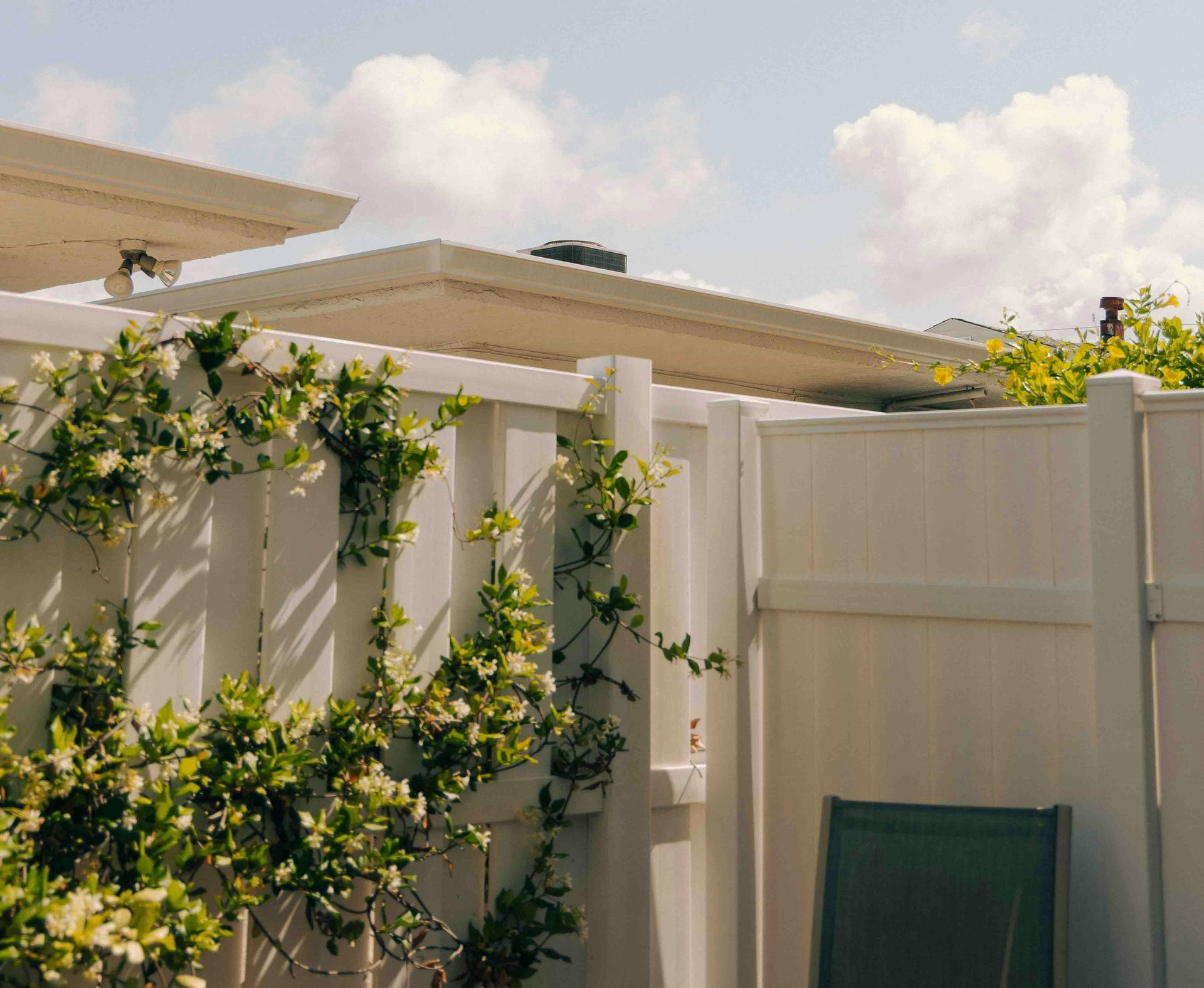
Why Fall Is Actually the Best Time to Put Up a Fence in Central PA
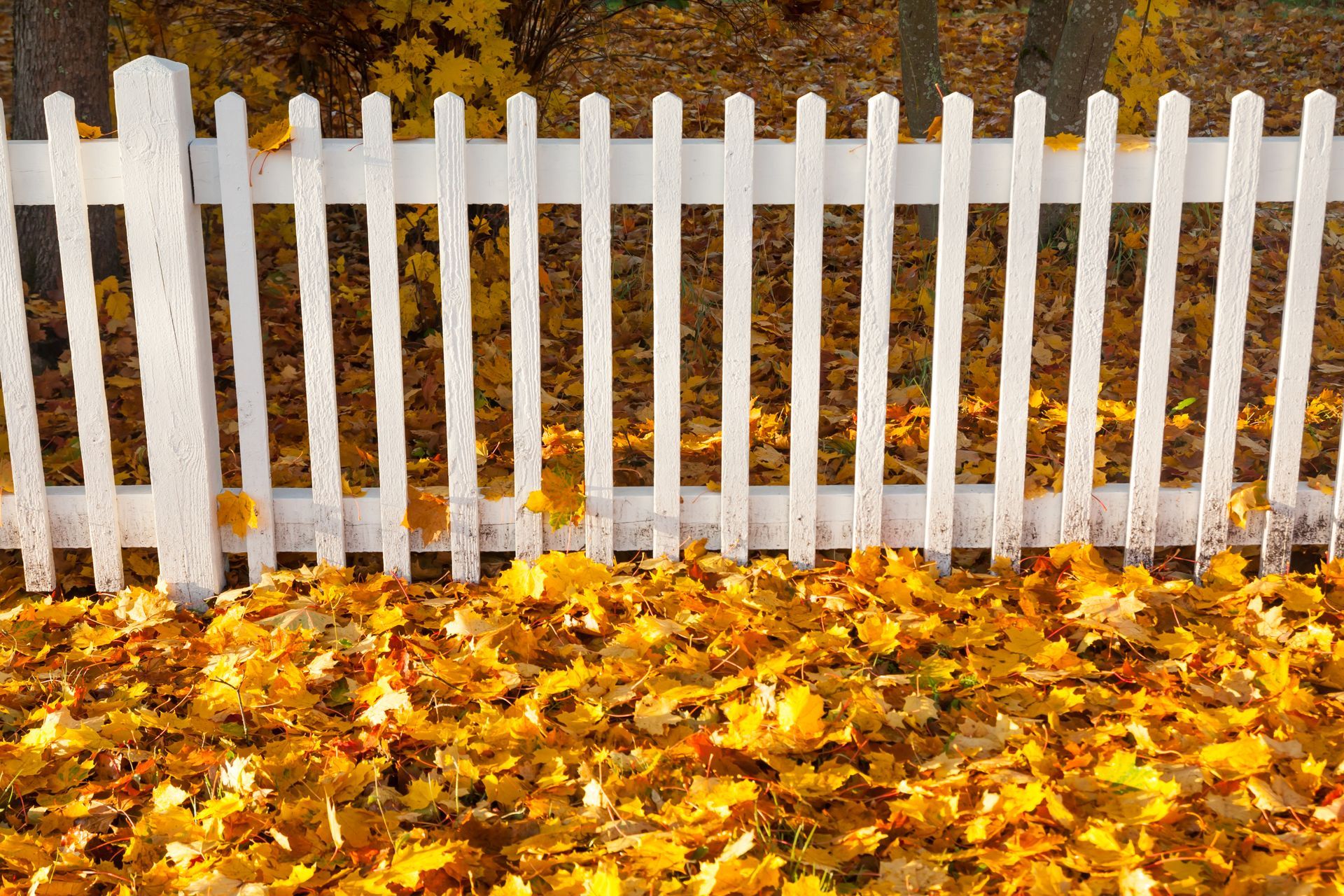
INSTALL YOUR FENCE THIS FALL AND BE READY FOR SPRING
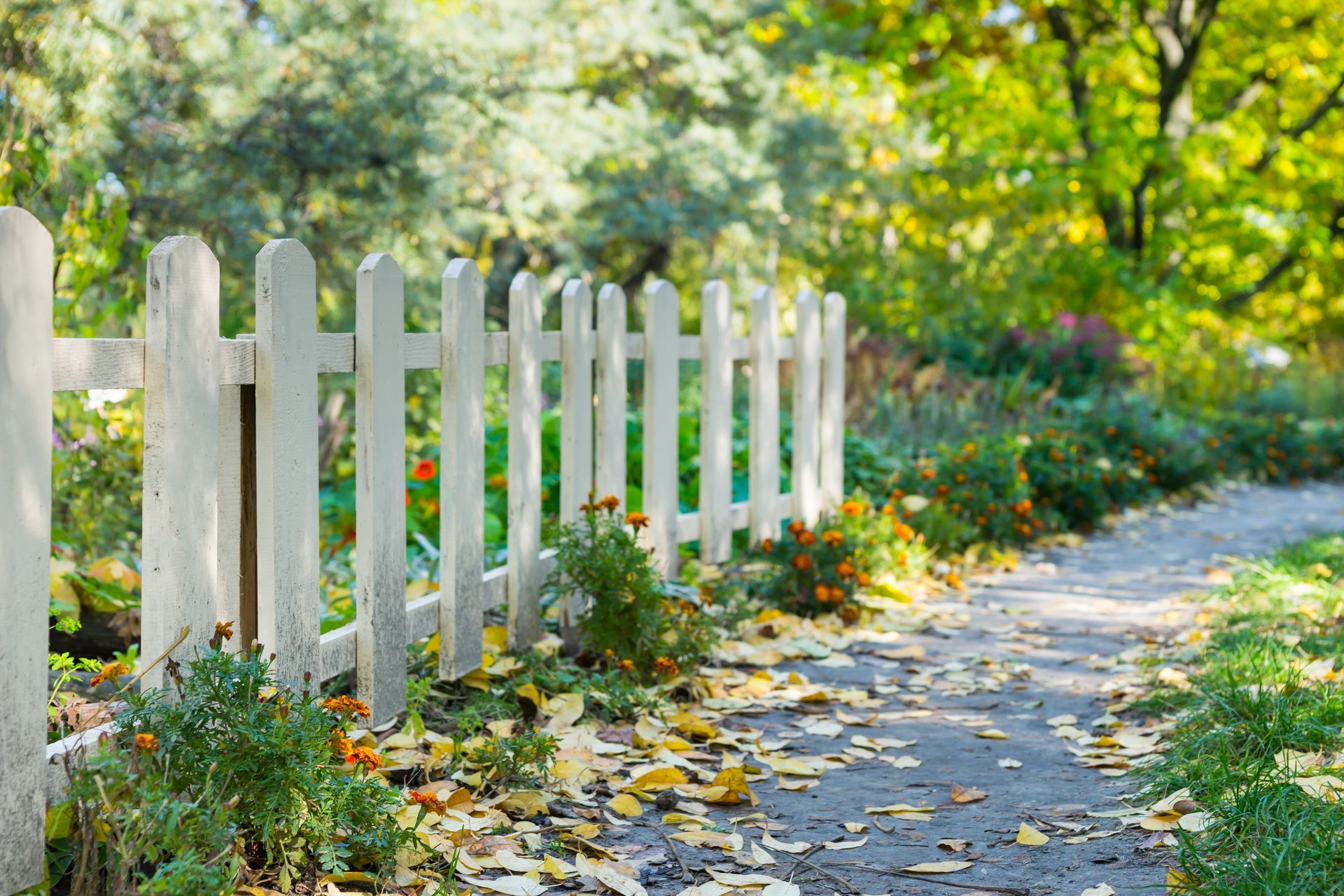
When most people in State College or Bellefonte start thinking about a new fence, they usually picture doing it in May or June. The sun is out, the grass is green, and you want the dog or the kids outside. It feels like the natural time to do outdoor work.
Here is the truth from the folks who actually dig the post holes: spring and early summer are probably the most hectic, frustrating times to try to get a fence built.
If you want a smoother project, a better installation, and a yard completely ready to use on the first warm day of next year, fall is the real sweet spot. Between September and Thanksgiving, the weather, the ground, and contractor schedules all line up in your favor.
Here is why getting your fence done in the autumn just makes practical sense.
The Dirt is in Much Better Shape for Digging
The strength of any fence comes down to the posts in the ground. If the post footings aren't solid, the fence will lean down the road.
Central Pennsylvania dirt is mostly heavy clay and limestone rock. In mid-July and August, that clay bakes in the heat until it feels like concrete. Digging into it is brutal on equipment and tears up the surrounding turf. In late spring, you have the exact opposite problem: the spring thaw and constant April rain turn the yard into a soupy, muddy mess. Digging clean holes and setting concrete in saturated mud is tough, and heavy equipment easily leaves deep ruts in your lawn.
Fall hits the middle ground. Autumn rains soften the baked summer ground just enough to make clean, accurate digging possible, but the soil stays firm and dry underneath. We can get our augers in, drill clean post holes down past the local frost line, and get the job done without turning your lawn into a swamp.
Concrete Actually Cures Better in Cool Weather
Many folks assume concrete needs hot sun to dry. Concrete does not dry; it cures through a chemical reaction between water and cement.
When you pour concrete around a fence post on a ninety-degree day in July, the heat sucks the water out of the mix way too fast. If concrete dries out before it finishes curing, it loses much of its strength and becomes brittle.
Fall temperatures—those crisp, fifty to sixty-degree days we get in October—are ideal for concrete. The cooler air lets the mix cure slowly and evenly. That slow cure gives the concrete its maximum strength, which means your posts are locked in tight and ready to handle the heavy snow and frozen ground that hit Center County every winter.
Your Lawn and Flower Beds Take Way Less Abuse
Nobody wants their yard torn up right after they spend time planting spring flowers and getting the grass green.
By late September and October, your yard is winding down for the year. The grass has slowed its growth, perennials are dying back, and plants are shifting their energy down into their roots instead of their leaves.
Putting in a fence requires moving panels, carrying concrete bags, and walking back and forth along the property line. Doing that work in the fall causes far less noticeable damage. Walking on dormant grass doesn't hurt it the way it does in June, when it is actively trying to grow. Any minor scuffs along the work area get covered by falling leaves, rest through the winter snow, and bounce right back with new green shoots in April.
You Skip the Insane Spring Contractor Rush
Every outdoor contractor in the State College area gets slammed with calls the second the first warm weekend hits in April. Everyone wants their deck, patio, landscaping, and fence done yesterday so they can use their yard.
Because of that seasonal rush, spring usually comes with longer lead times, backed-up schedules, and material delays. You might call in April hoping for a May install, only to find out you cannot get on the schedule until mid-July.
By autumn, that crazy rush has settled down. We have more flexibility with scheduling, manufacturer supply lines are caught up, and projects tend to move much faster from the initial estimate to the final walk-through. You get direct attention without the frantic scramble of peak season.
Your Yard is Ready for Winter and Done for Spring
Think about how you actually use your yard in the winter. The days get short, it gets dark before dinner, and letting the dog out into an unfenced yard in the freezing cold gets old very fast. Standing at the back door with a flashlight in January is miserable.
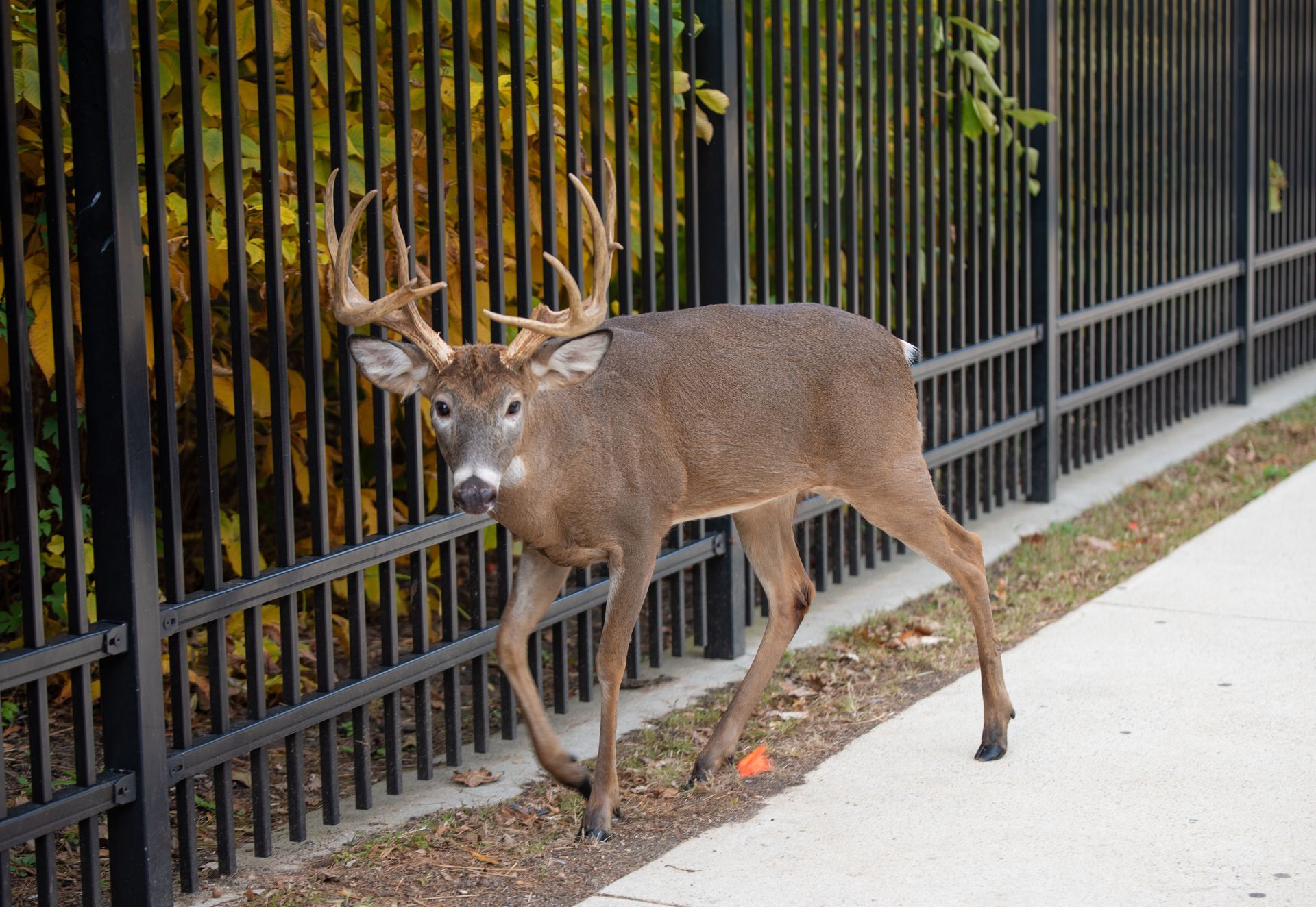
If you put your fence in during the fall, your property is secure before the first snow flies. You can let the dog out into a safe, enclosed yard all winter long without worrying about them chasing a deer into the woods.
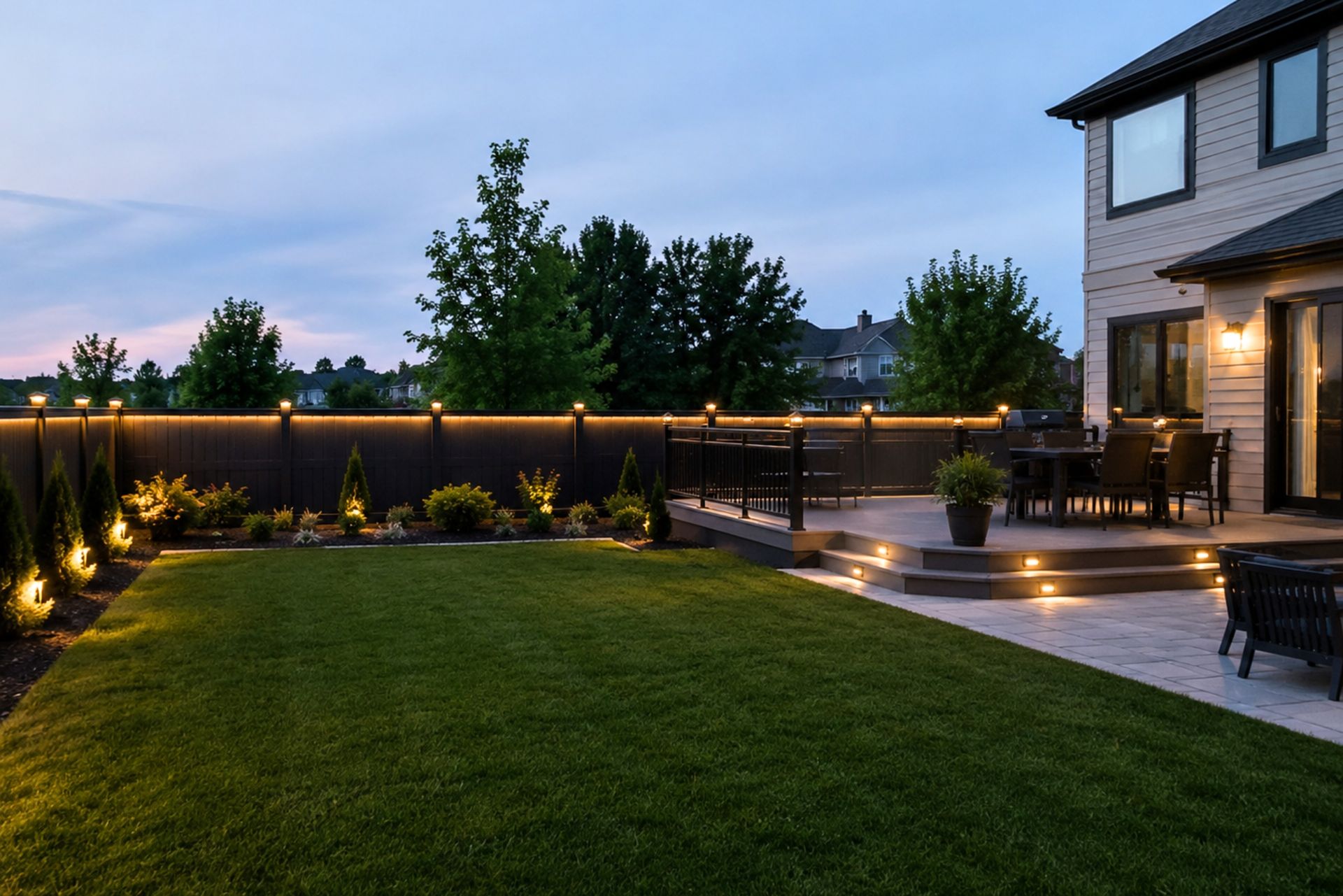
Best of all, when spring rolls around and that first seventy-degree Saturday hits, your yard is already finished. While your neighbors are on the phone trying to get estimates, waiting for callbacks, and dealing with contractor delays, you can just set out your patio chairs, fire up the grill, and enjoy your space.