Vinyl vs. Aluminum: Which Material Actually Fits Your Yard, Budget, and Lifestyle?
choose the right fence for your yard, budget, and lifestyle in central pa
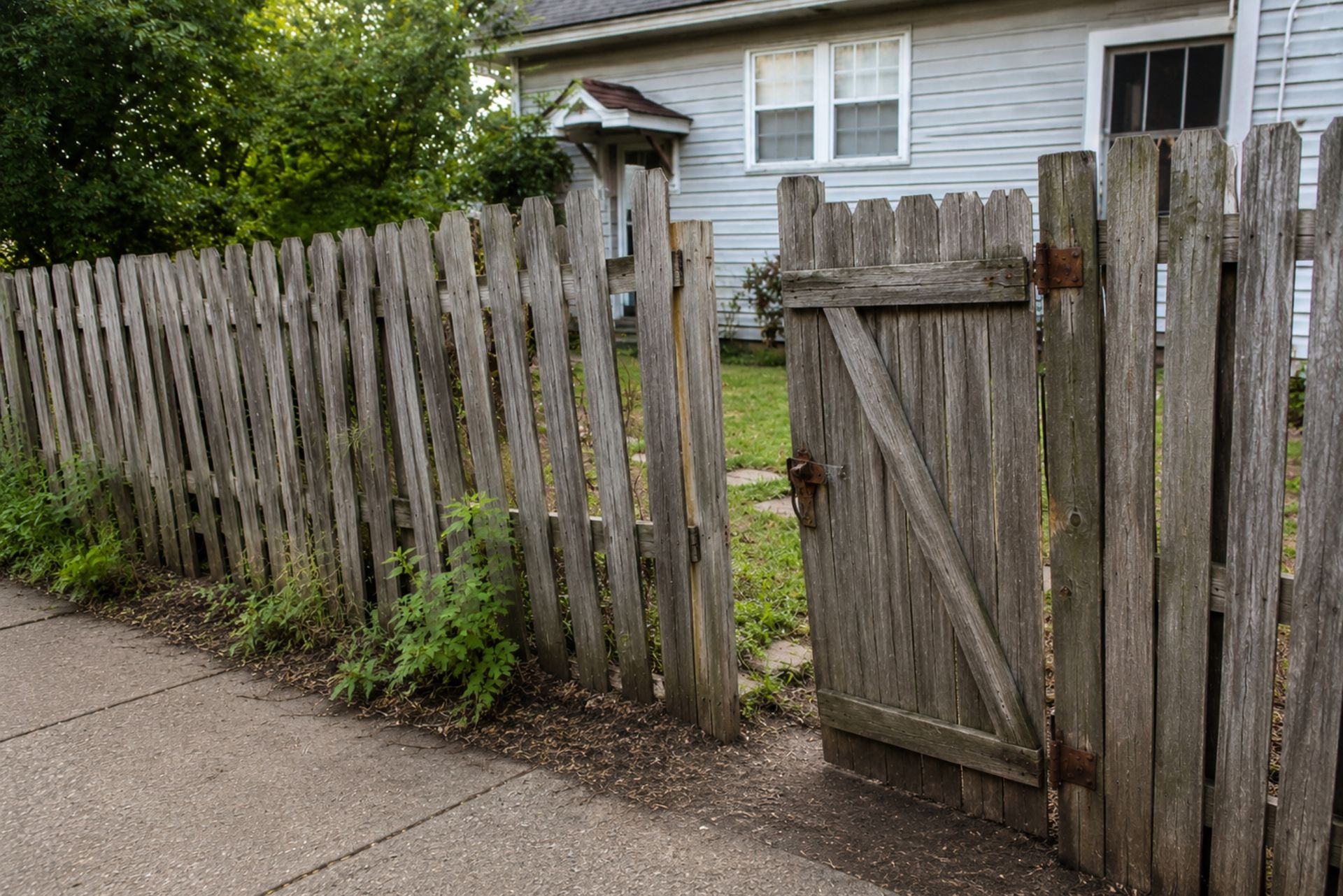
Choosing a fence for your home usually comes down to two clear front-runners: vinyl and aluminum. Both materials have largely replaced traditional wood for residential installations across State College, Bellefonte, and Centre Hall because neither one requires the exhausting maintenance cycle of scraping, staining, or replacing rotted boards.
Even though both materials are long-lasting and low-maintenance, they serve completely different purposes. Choosing the right one isn't just about what looks good in a catalog; it is about how you use your yard, your land's layout, and what you want your home to feel like every day.
Here is an honest, practical breakdown to help you decide which material belongs on your property line.
The Purpose Test: Complete Seclusion vs. Open Mountain Views
The first question you have to ask yourself is simple: What is this fence actually supposed to do?
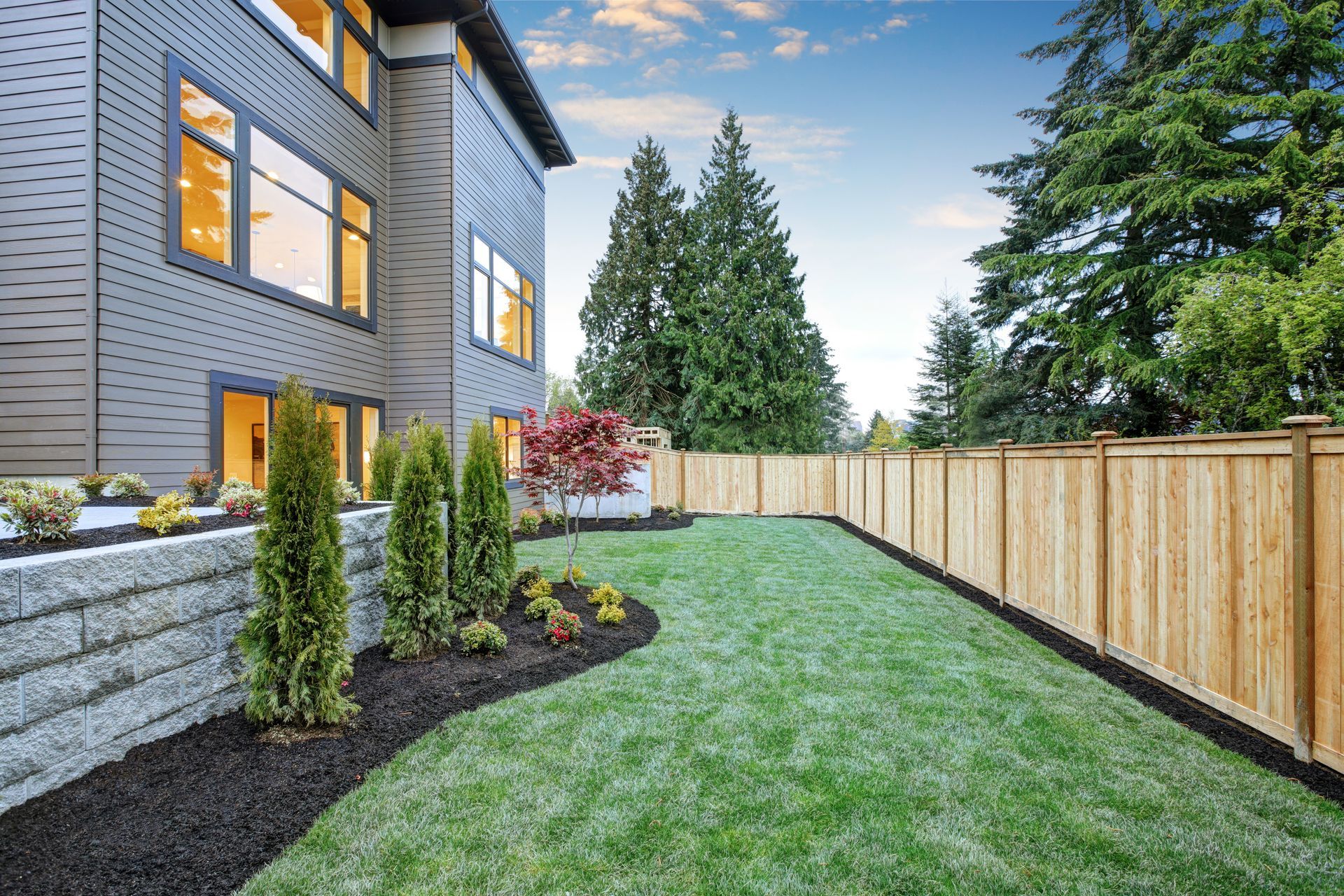
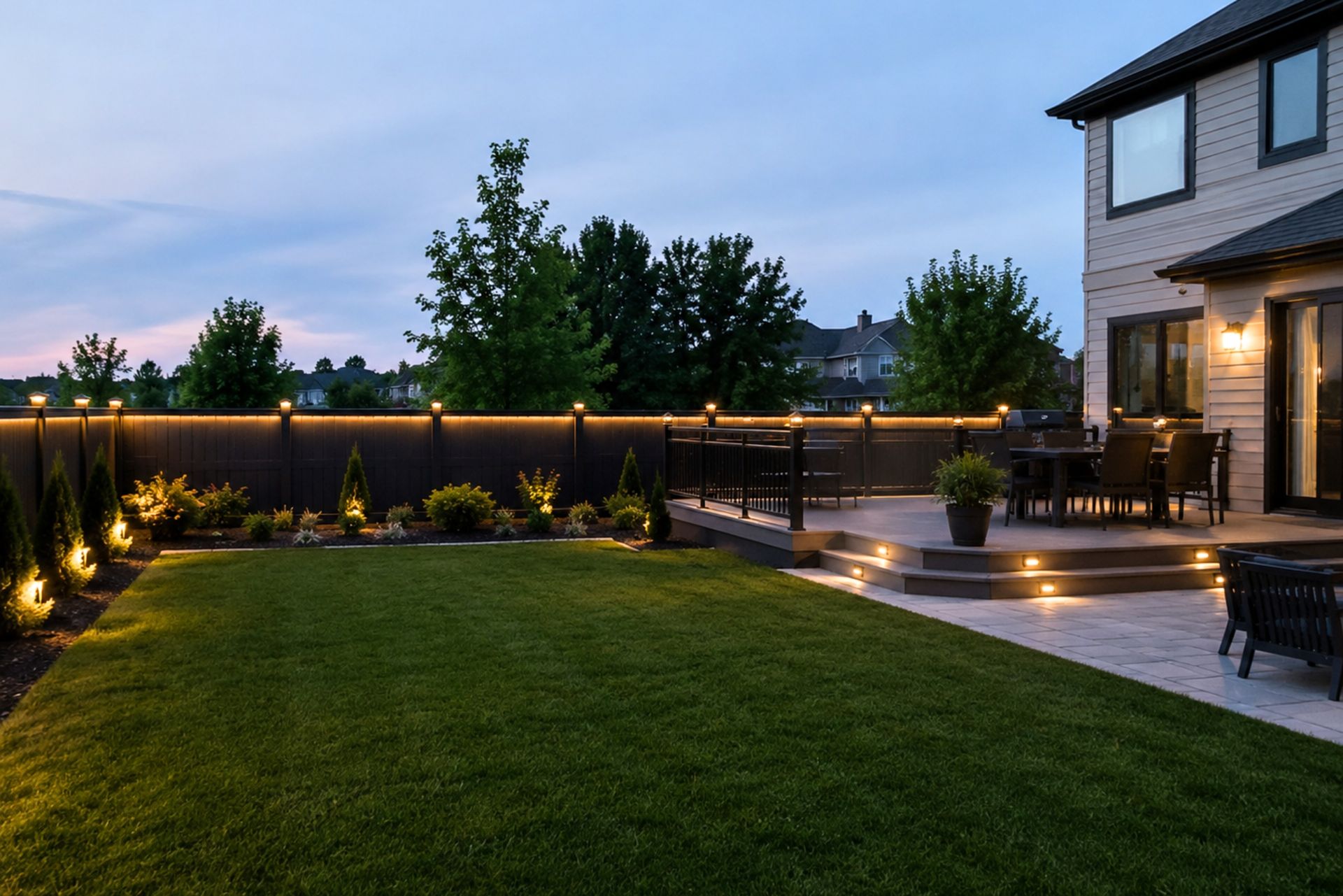
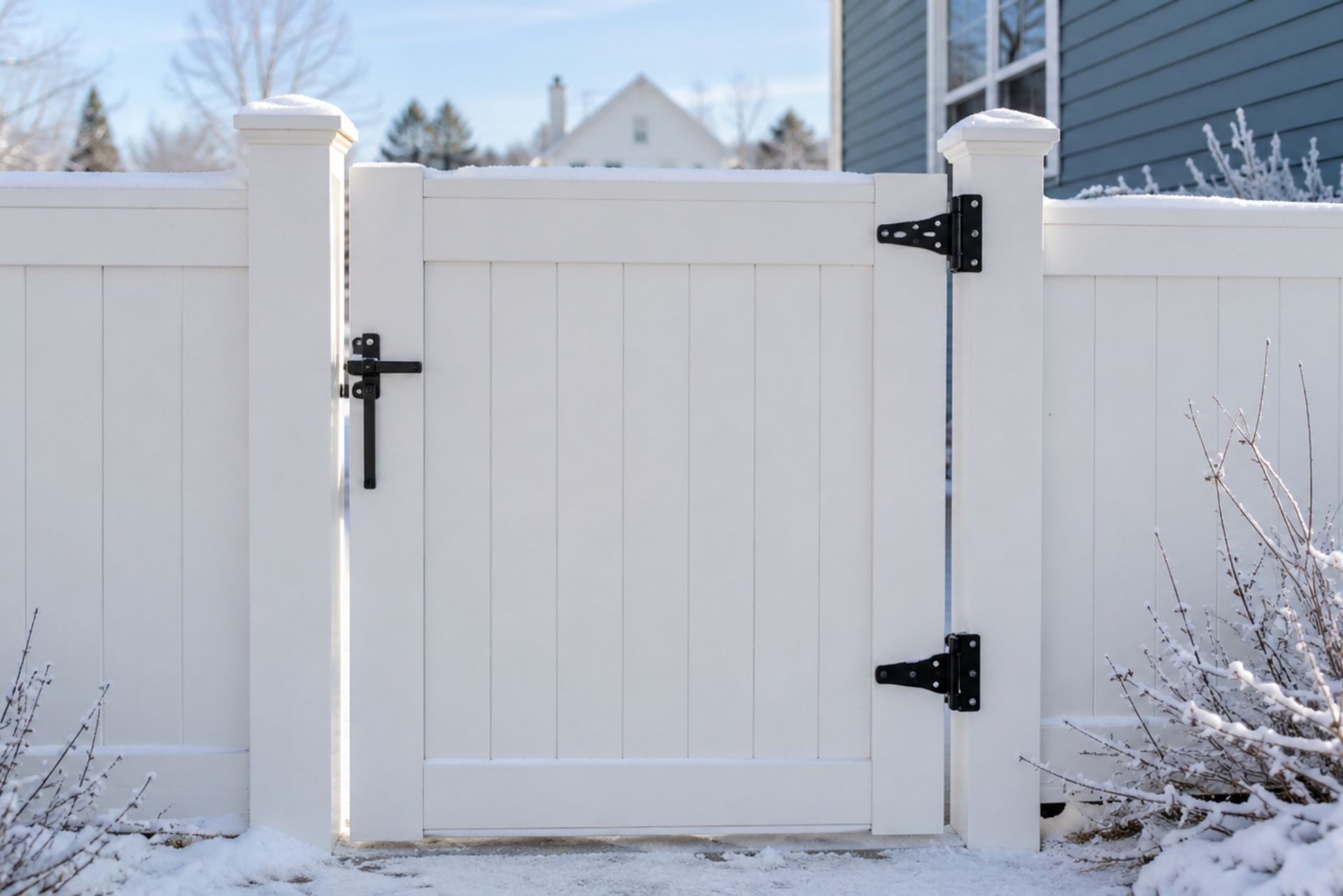
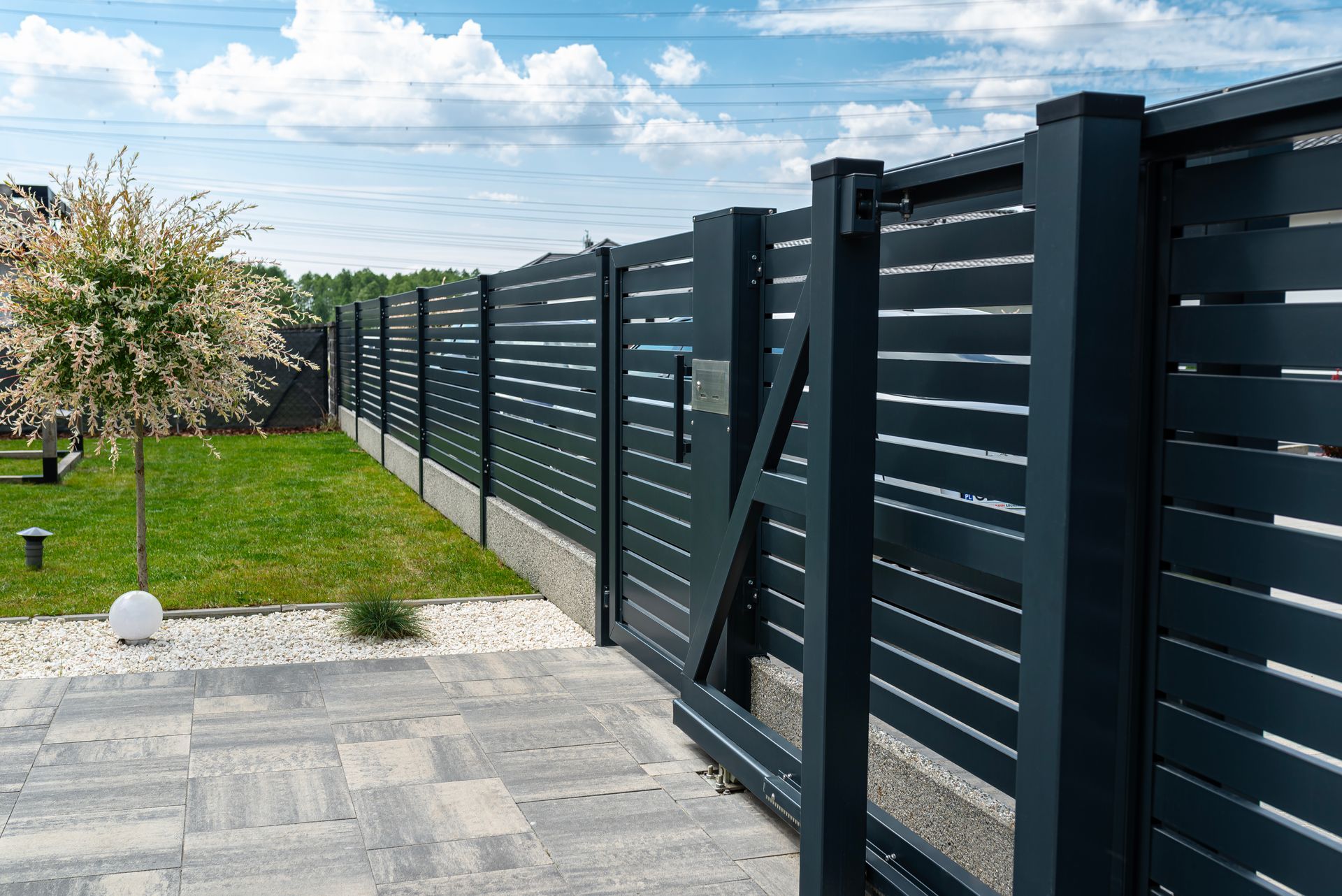
If your main goal is privacy, vinyl is the clear winner. A solid vinyl fence with interlocking tongue-and-groove pickets creates a solid wall between your outdoor space and the outside world. If you live in a dense neighborhood where your patio sits directly across from your neighbor’s kitchen window, or if your yard backs up to a busy street or sidewalk, vinyl gives you absolute seclusion. It blocks the line of sight entirely, turning a busy suburban lot into a private, quiet room.
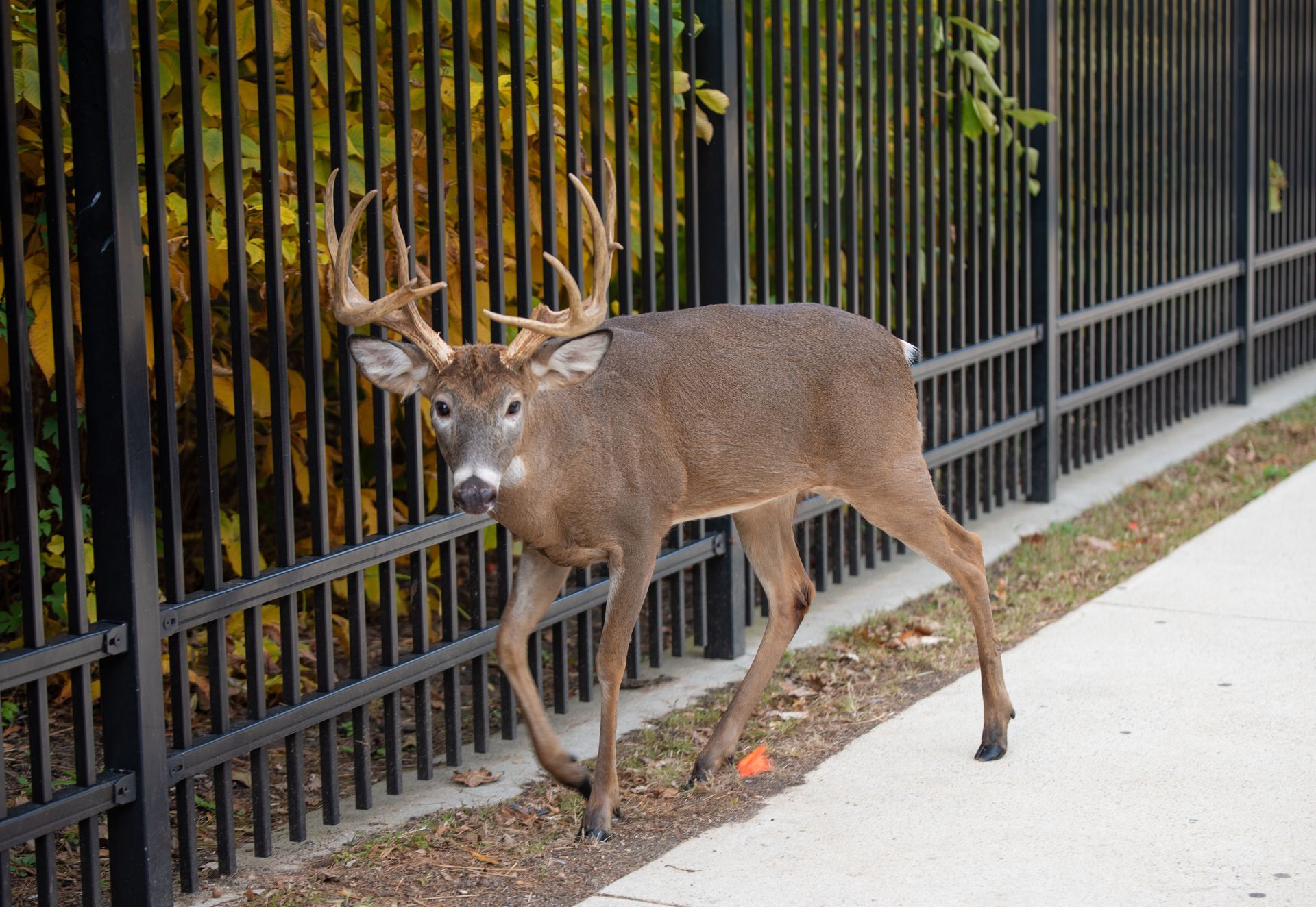
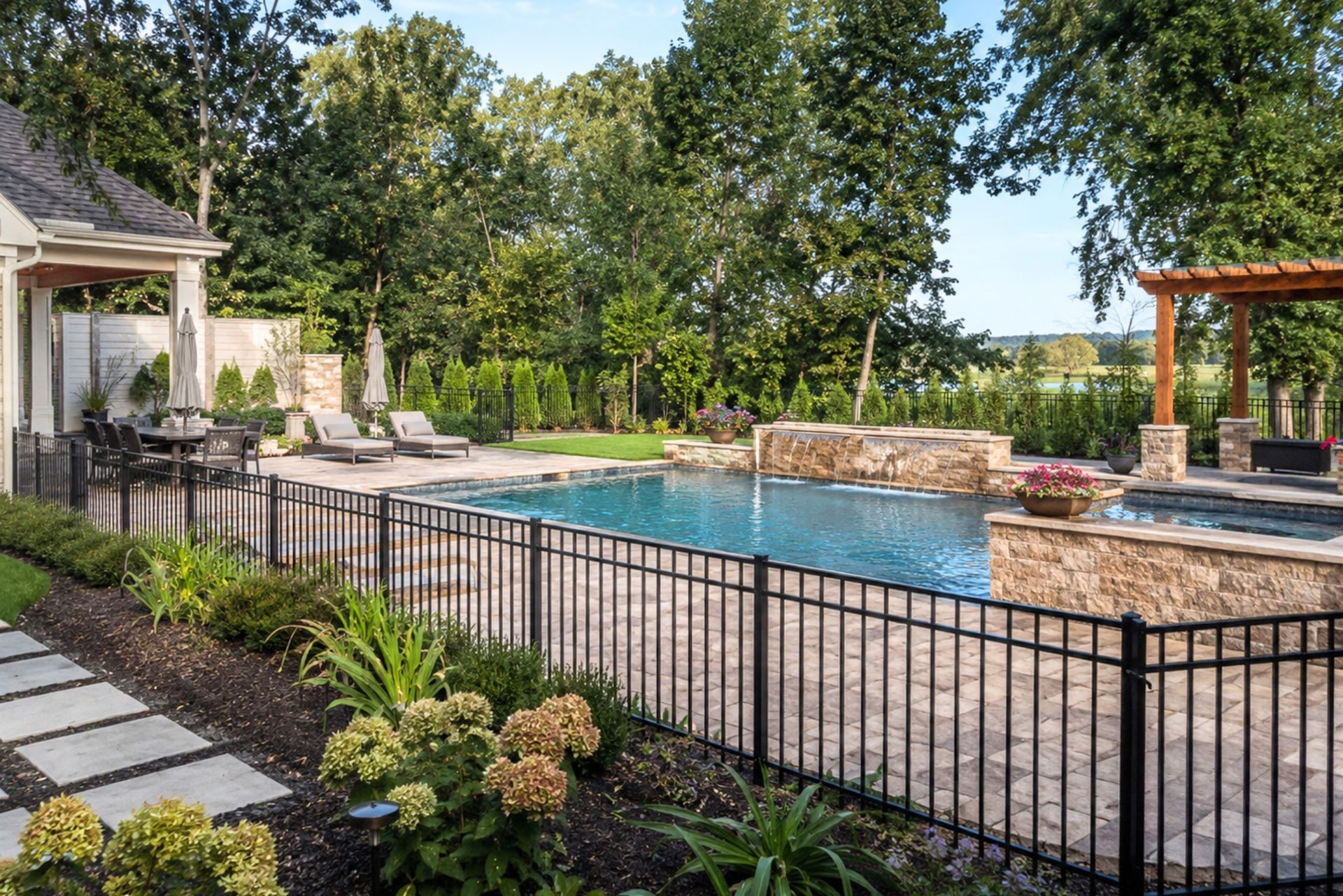
If your primary goal is containment and you want to keep your view open, aluminum is the better choice. In Central Pennsylvania, many properties back up to scenic ridges, rolling farmland, or mature wooded boundaries. Putting up a six-foot solid vinyl wall on a lot like that cuts you off from the landscape. Black aluminum fencing features thin, vertical pickets that create an ultra-clean boundary for children and pets while letting the eye see right through to the scenery beyond. It marks your property without enclosing it.
Dealing with Slopes and Rolling Central PA Hills
The geography of the Centre Region is rarely flat. Most properties feature rolling grades, natural swales, and rolling hillsides. How your fence handles those elevation changes is a huge technical consideration.
Aluminum fencing is naturally rackable. The pickets are connected to horizontal rails with internal pivot pins that allow the panel to follow the slope of your ground like a set of stairs on an angle. This means an aluminum fence can glide smoothly down a steep backyard grade while keeping the bottom rail tight to the turf and the pickets standing completely vertical. It hugs the natural contours of the land without leaving large triangular gaps at the bottom.
Vinyl can also be installed on hills, but it requires different approaches depending on the steepness. Gentle slopes can be accommodated with routed panels, but sharper hills often require stepping the panels down in increments. This leaves small step-downs along the top line and requires careful ground management along the bottom to keep the fence pet-safe. If you have an aggressive hill or uneven rocky ground, aluminum usually delivers a cleaner, more continuous look.
The Pet Factor: Sightlines and Dog Behavior
If you are fencing your yard primarily for a dog, material selection makes a major difference in daily peace and quiet.
Some dogs are sight-reactive barkers. If your dog runs the perimeter barking at every passing delivery truck, neighbor walking by, or neighborhood squirrel, an aluminum picket fence might leave them overstimulated because they can see everything happening on the other side. For dogs that react to visual triggers, a solid vinyl fence blocks the distraction and keeps the yard calm.
On the other hand, if your dog loves to dig or scratch at barriers, aluminum offers maximum resistance. Our architectural-grade aluminum pickets will not scratch, gouge, or bend under heavy paw pressure. Additionally, for smaller breeds, puppy-picket options add closer picket spacing along the bottom two feet of the panel, preventing tiny dogs from squeezing their heads through.
Cost Realities and Long-Term Curb Appeal
From an initial investment standpoint, premium vinyl and high-grade aluminum are comparable, though specific styles create variations.
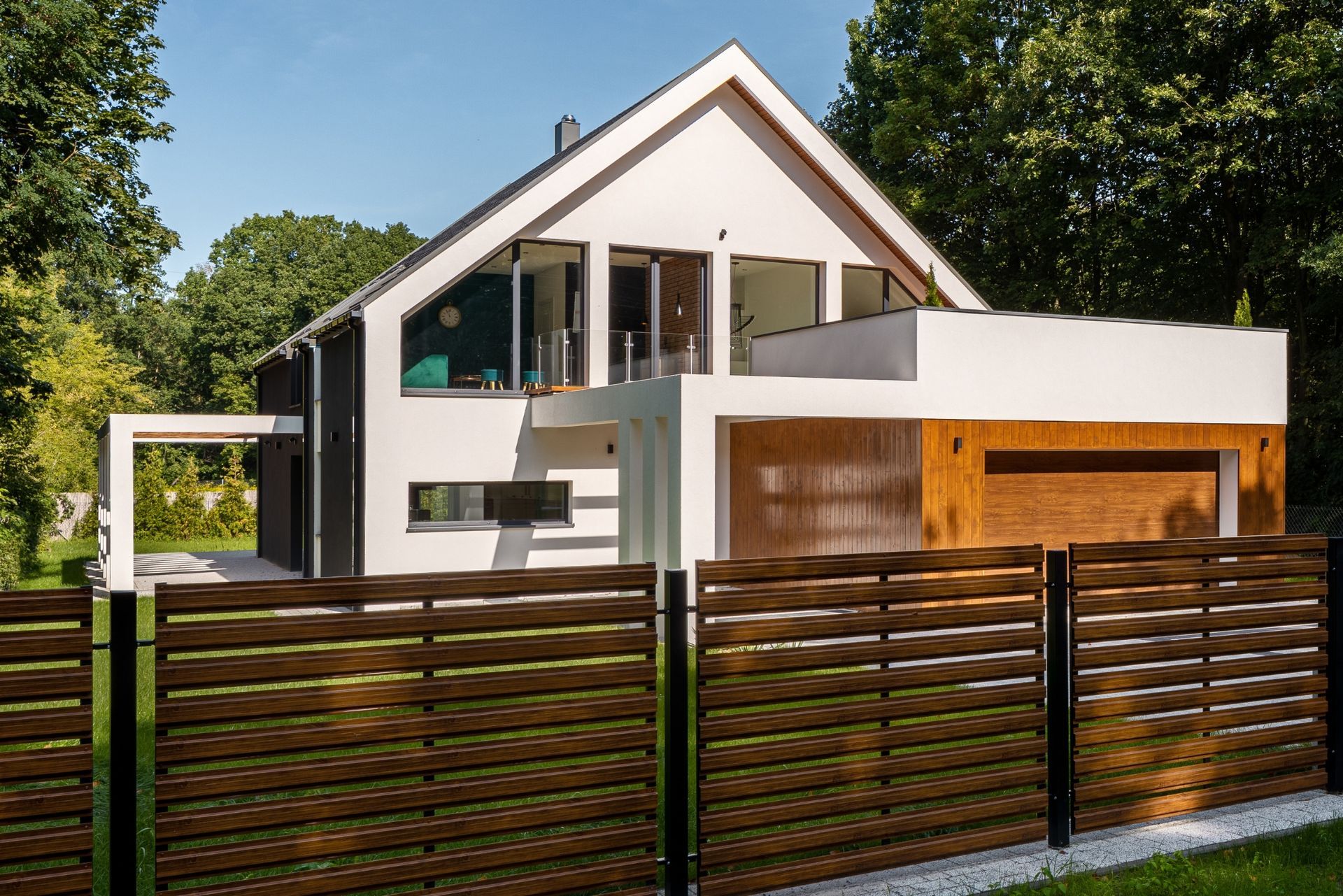
Standard white vinyl privacy fencing is often the most cost-effective way to enclose a large backyard with total seclusion per linear foot. Textured woodgrain vinyl or designer colors carry a higher price point due to specialized manufacturing and UV-resistant color caps.
Black aluminum typically carries a slightly higher initial material cost than standard white vinyl, but it offers unmatched architectural elegance. Aluminum evokes the timeless look of historic wrought iron without the heavy rust issues. Appraisers and high-end homebuyers view black aluminum as a premium, estate-grade feature that never dates a house.
Both materials eliminate ongoing maintenance costs. You will never spend your weekends buying wood stain, replacing warped pickets, or treating for carpenter ants. A quick rinse with a garden hose once a year is all either material needs to look brand new for decades.