The Leaf Trap Dilemma: Preventing Moisture Decay and Soil Acidification Along Your Fence Line
KEEP FALL LEAVES FROM DAMAGING YOUR FENCE LINE THIS AUTUMN
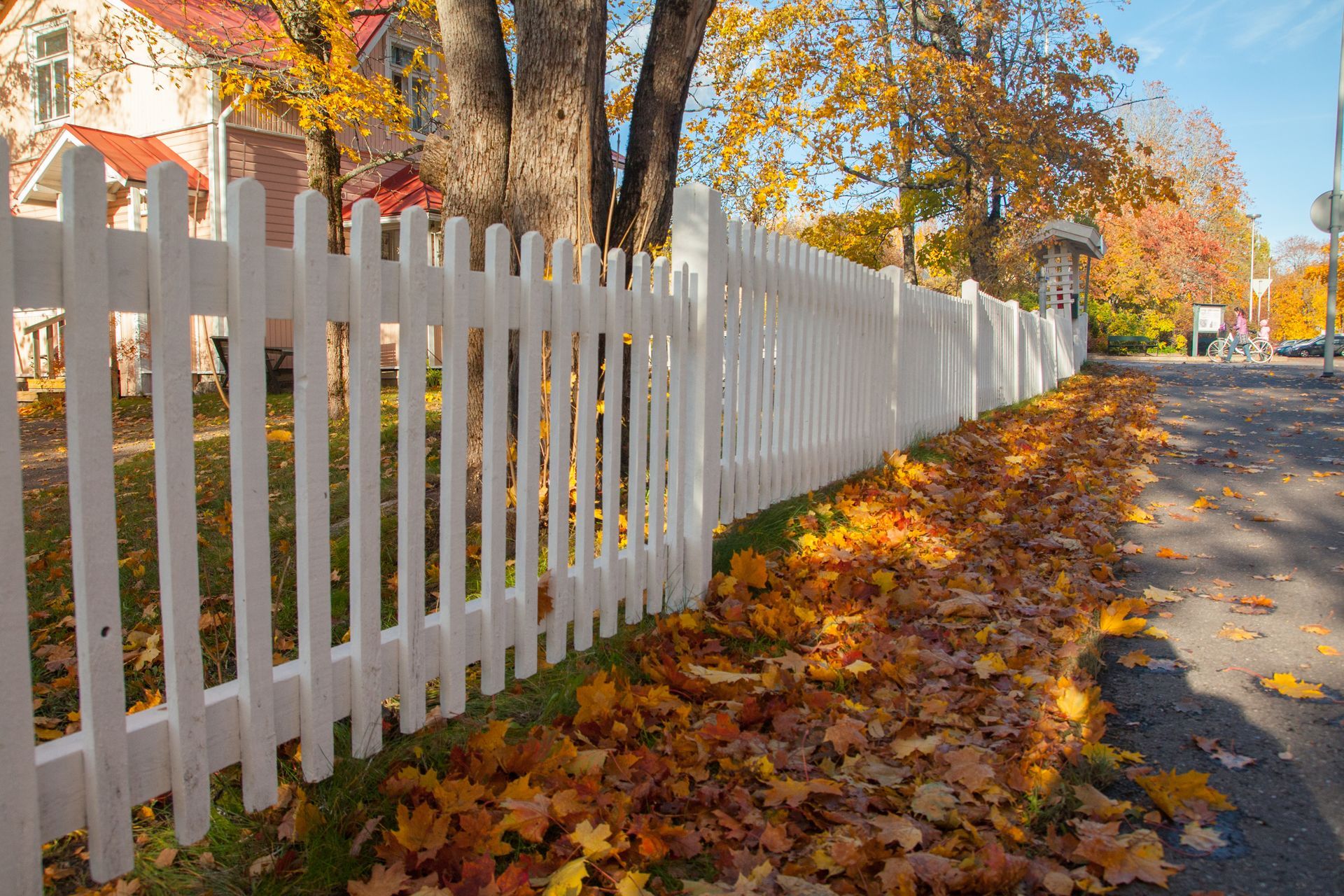
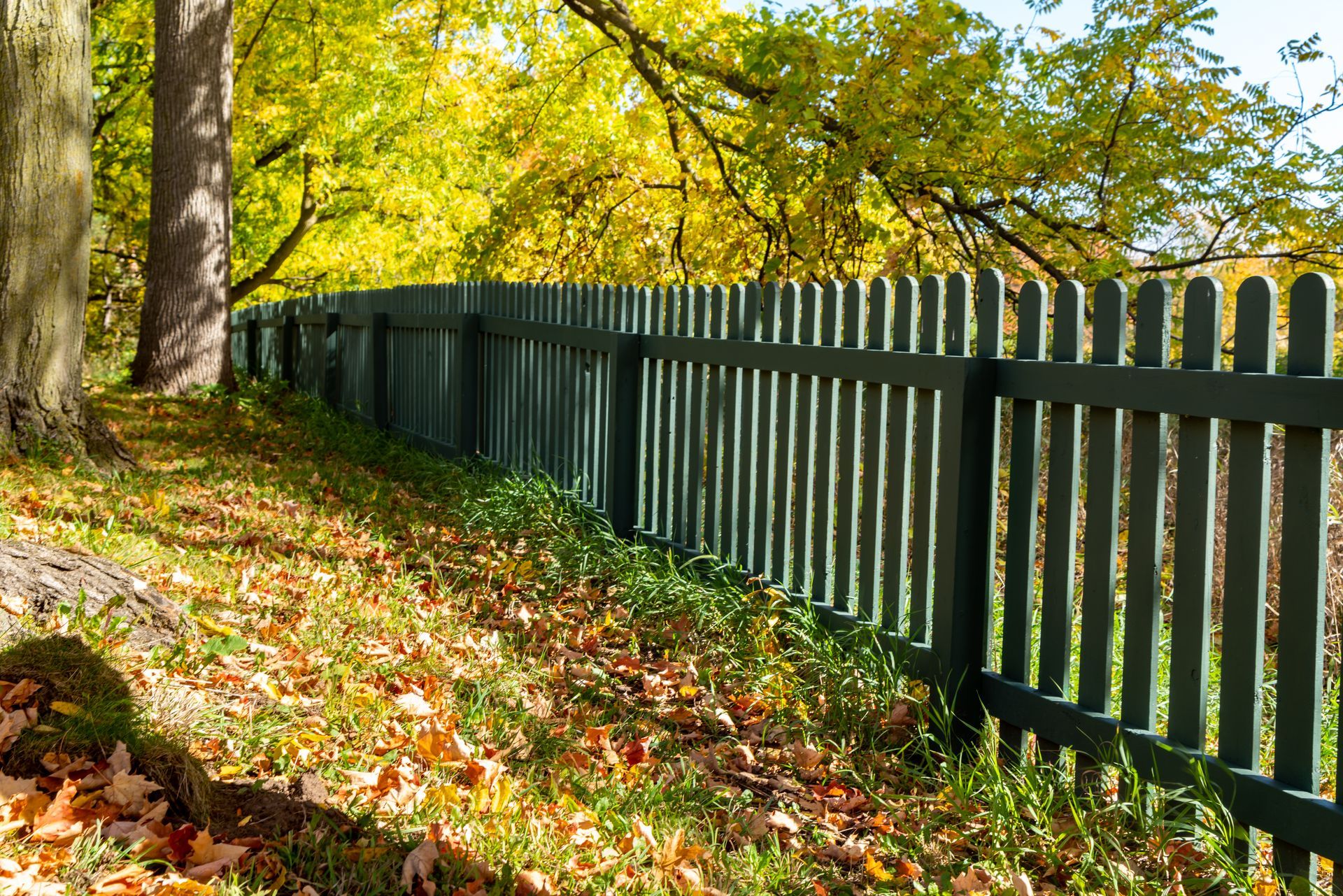
Central Pennsylvania is famous for its gorgeous autumn colors. Across State College, Bellefonte, and Boalsburg, the changing leaves are a highlight of the season—until they all land in your yard. Oaks, maples, and beeches drop tons of leaves in just a few weeks, leaving homeowners with a lot of cleanup around garden borders and fence lines.
A few dry leaves scattered across the lawn aren't a big deal, but when they start piling up against your fence, they can cause real problems. Pennsylvania autumns bring plenty of rain and cool, damp air that keeps wet leaves from drying out. When those leaves get packed against fence posts and bottom rails, they trap moisture directly against the wood. Over time, that damp environment can damage traditional building materials. Understanding how trapped leaves affect your fence is the first step toward keeping your yard looking great and protecting your investment.
How Leaf Traps Hold Onto Moisture
The main issue with piled-up leaves is that they act like a heavy sponge. A light dusting of leaves blows away, but wind usually pushes debris right up against the base of your fence. As layer after layer builds up, the bottom leaves get packed into a thick, wet mat.
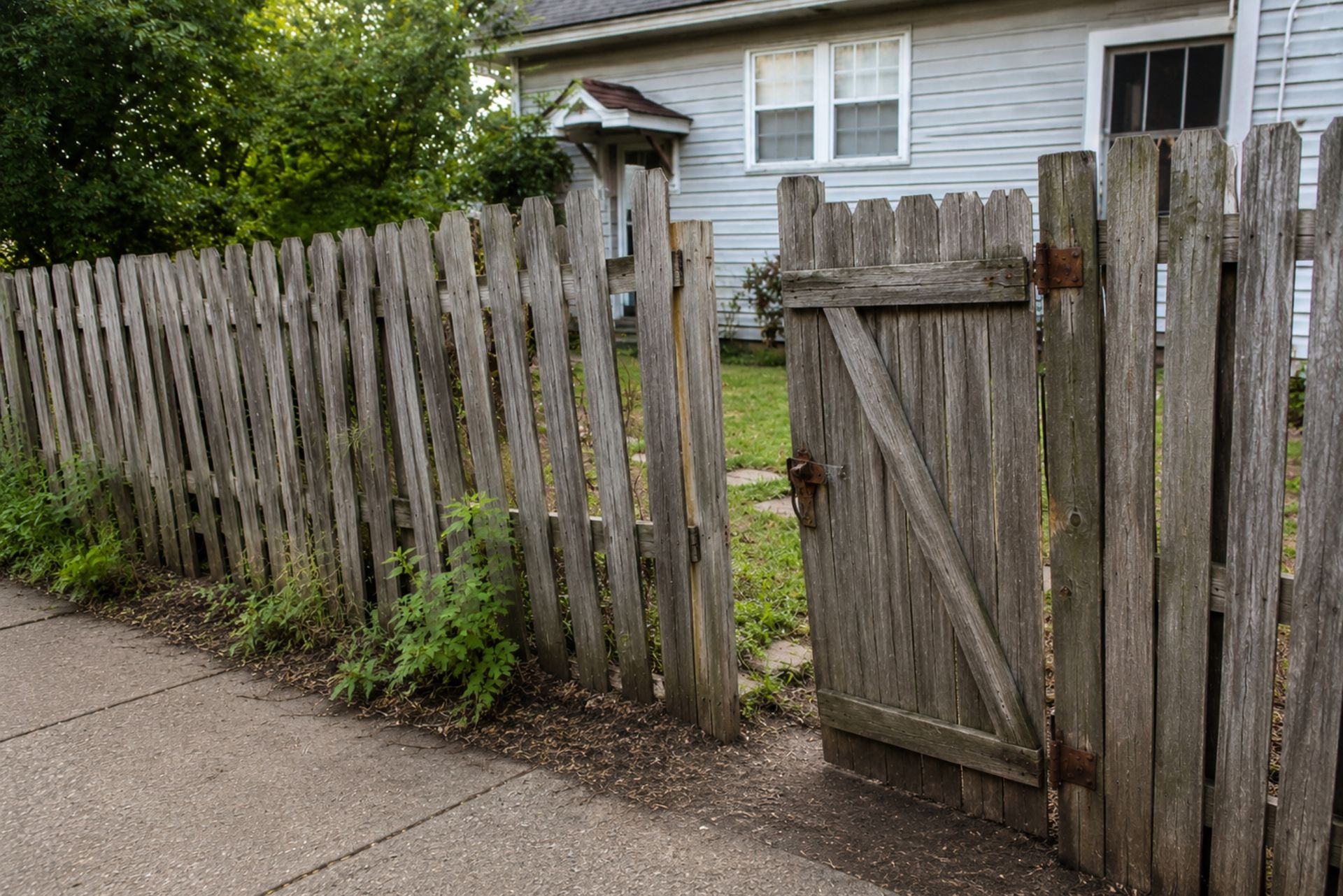
When it rains, this mat soaks up water and holds it directly against your fence. Exposed surfaces usually dry out quickly in the sun and wind, but wood buried under wet leaves stays soaked. For traditional wood fences—even pressure-treated pine or cedar—that constant dampness leads to trouble.
Wood naturally absorbs water from its surroundings. Over time, continuous moisture causes the wood fibers to swell and break down. What looks like a simple pile of leaves is actually setting the stage for rot, warping, and structural damage. When winter arrives and the ground freezes, that trapped water expands, creating tiny cracks that weaken the posts and rails even further.
Tannic Acid and Staining Problems
Besides holding water, decaying leaves release natural acids. Local oaks and maples are full of tannins, which help protect living trees. But when those leaves fall and rot, the tannins leach out onto whatever is nearby.
Tannins can leave dark brown or black stains on painted wood and lower-grade composite fencing. These aren't simple surface marks you can rinse off with water; they soak in and often require heavy cleaning or sanding to remove, which can strip away protective coatings.
As the leaves break down, they also make the soil around the base of the fence more acidic. For wood posts anchored in the ground, this extra acidity speeds up rot right at soil level. A post might look fine higher up while decaying right where it meets the ground.
Mold, Algae, and Pests
Damp leaf piles create the perfect spot for algae, mold, and mildew to grow. Once green algae gets established, it leaves a slick coating on fence panels that holds even more moisture against the surface, accelerating wear and tear.
Wet leaf piles also give common yard pests a cozy place to hide out during cold weather. Insects like carpenter ants and termites look for damp, dark spaces as temperatures drop. When constant moisture softens wood, it becomes an easy target.
How Vinyl and Aluminum Fencing Help
Preventing leaf-related damage comes down to picking materials that don't absorb water or rot. Modern fencing systems handle fall weather much better than traditional wood.
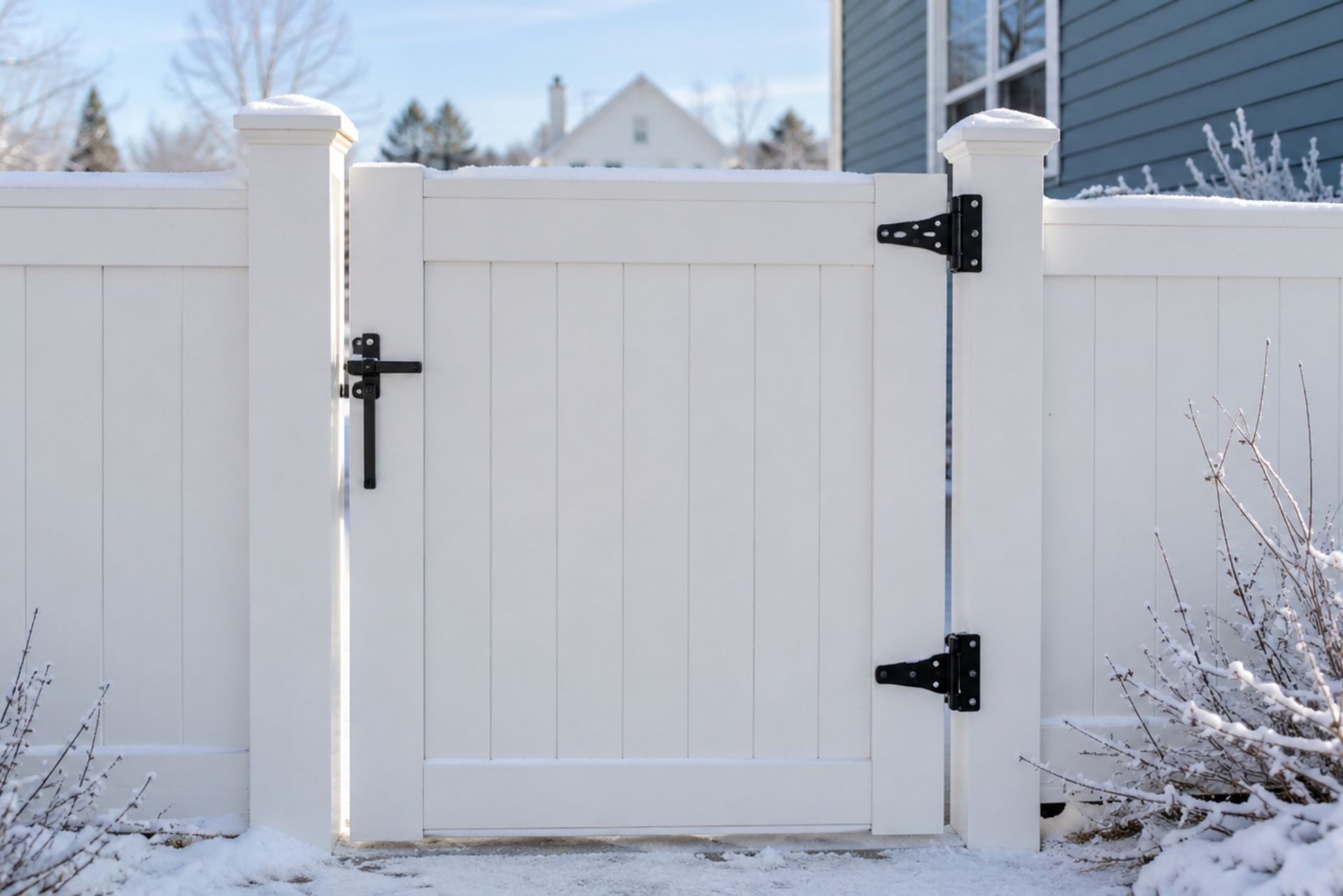
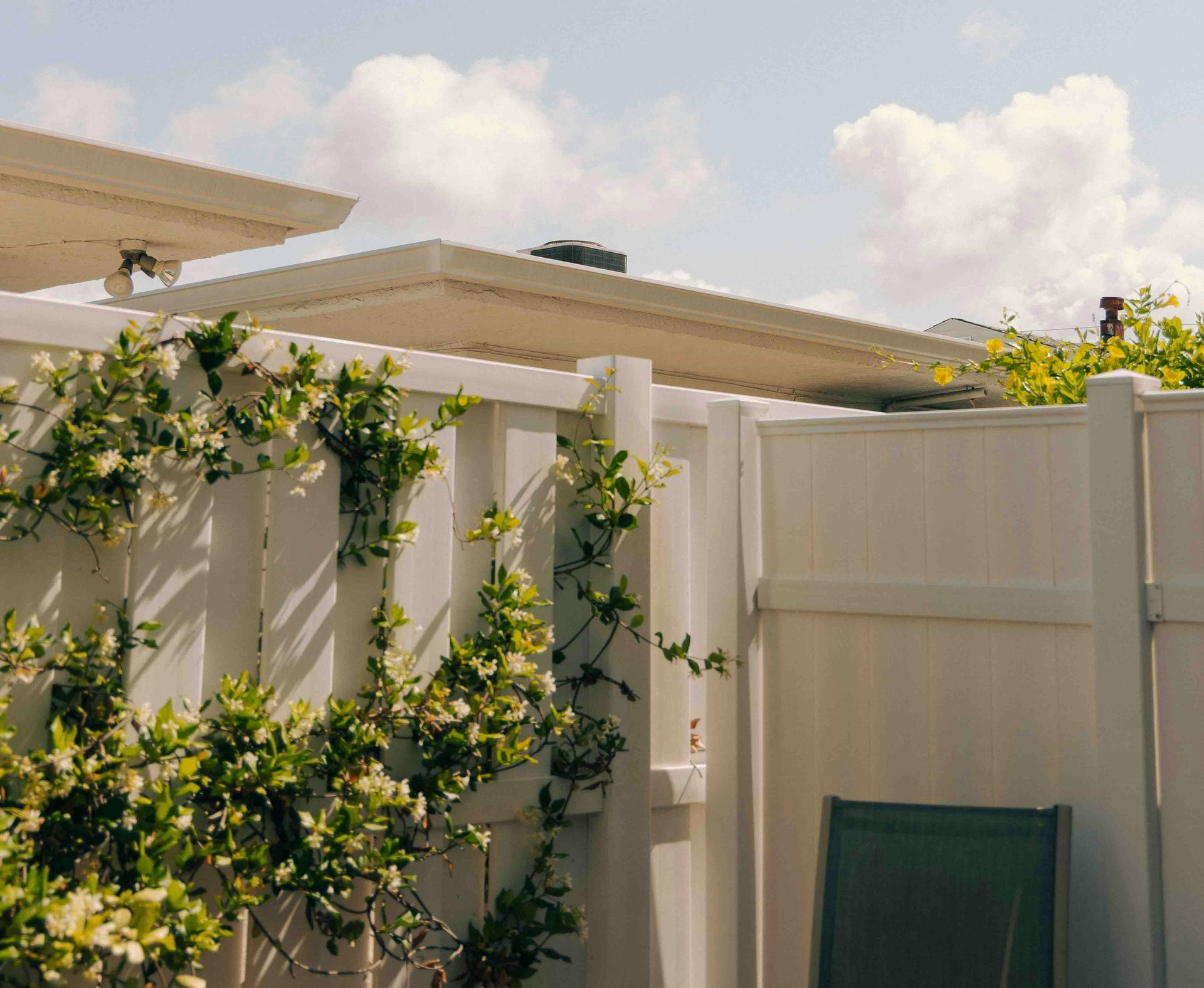
Vinyl Fencing: High-quality vinyl has a non-porous surface, so it won't absorb water no matter how many wet leaves pile up against it. Because it isn't organic, mold, algae, and pests can't feed on it. Our vinyl fences also include stain-resistant finishes and UV stabilizers, meaning leaf tannins won't soak in. A quick hose spray usually clears away any leftover fall dirt without heavy scrubbing.
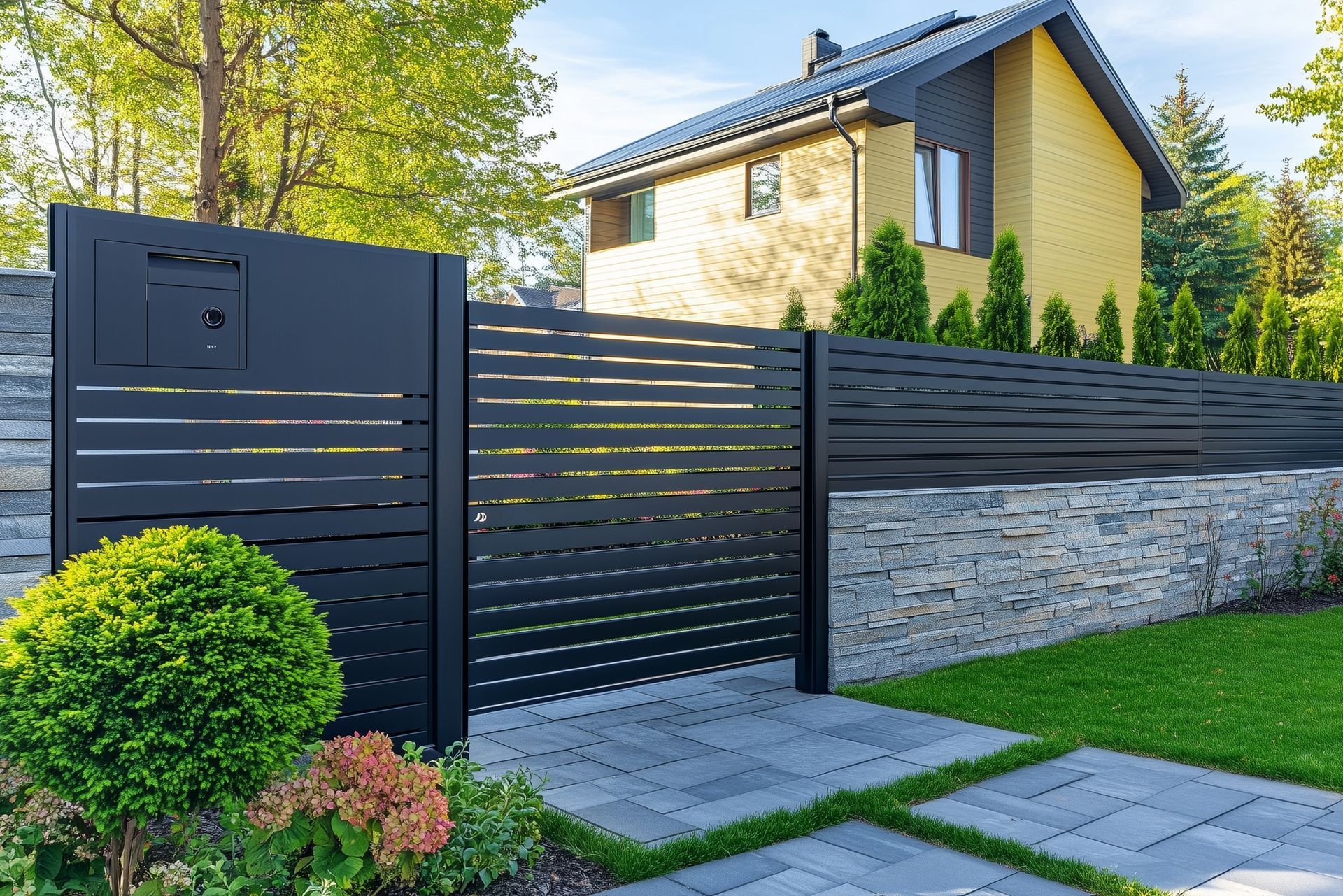
Powder-Coated Aluminum: Aluminum fencing works great in the fall because the open picket design lets wind pass right through. Leaves are more likely to blow through the fence rather than building up in thick piles along the base. Plus, our aluminum systems use a durable powder coating that protects the metal from moisture and tannins, so it won't rust or discolor.
Smart Installation for Easier Cleanup
At Rolling Acres Fencing, we plan our installations to make fall maintenance as easy as possible for homeowners in State College and Bellefonte.
We leave a calculated gap between the bottom rail and the ground so the fence doesn't block water flow or trap stray leaves. This gap allows water to drain properly and makes it easy to rake or blow leaves away during routine yard work.
Choosing a low-maintenance vinyl or aluminum fence means less time spent scraping, washing, and repainting every year. You can spend your autumn weekends enjoying the fall weather, knowing your fence is built to handle the seasons with ease.