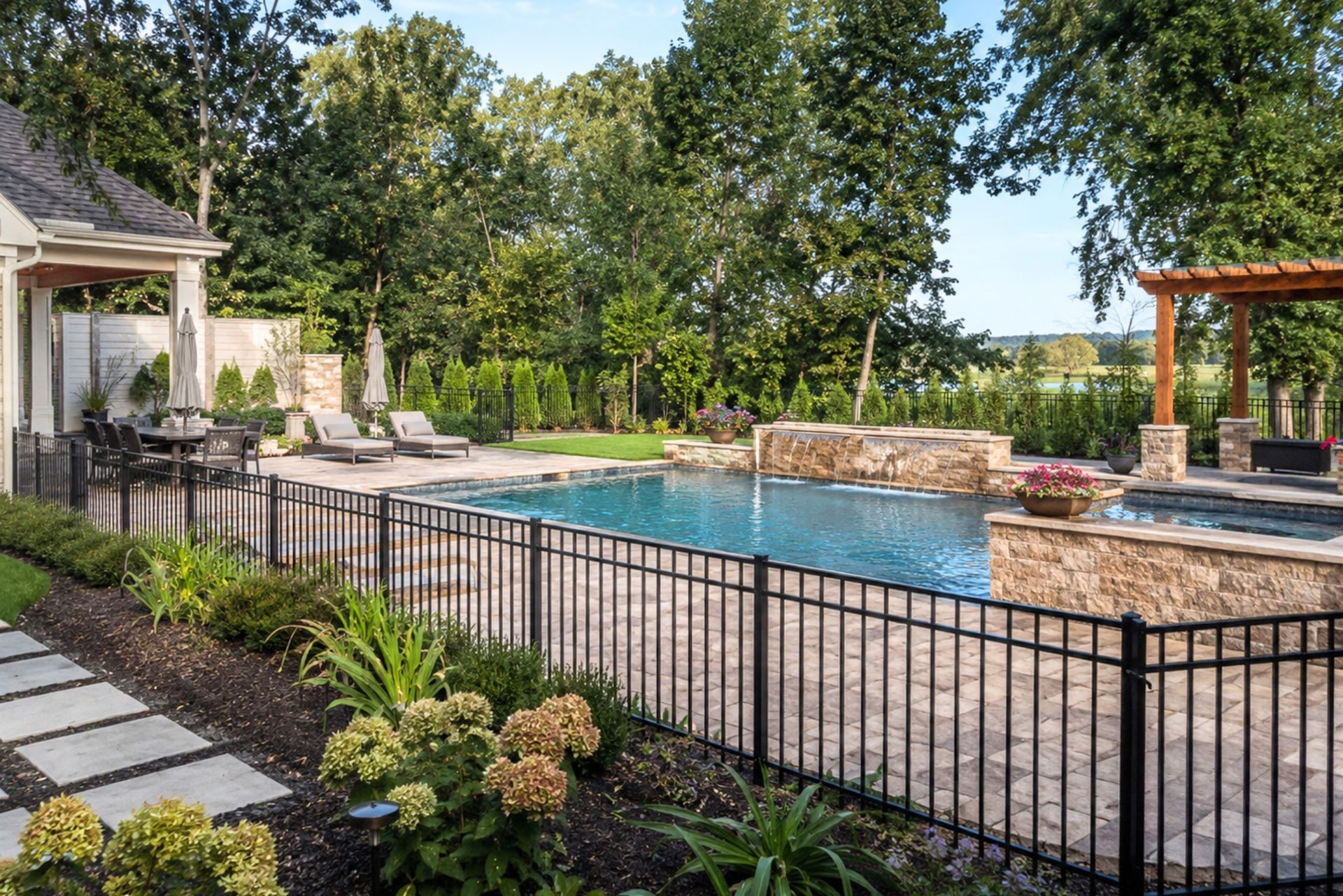
The Perimeter Audit: 5 Signs Your Current Fence is a Liability, Not an Asset
Keep your property secure with a professional perimeter audit
When we talk to homeowners in neighborhoods like Park Forest or downtown State College, the conversation usually revolves around curb appeal. However, as an expert in the local market, I know that a fence is more than a design choice—it is a functional component of your home's safety and insurance profile. In 2026, a neglected or poorly installed fence is no longer just an eyesore; it is a financial and legal liability.
If you haven’t inspected your perimeter lately, you might be housing risks that could impact your home appraisal or even lead to denied insurance claims. At Rolling Acres Fencing, we recommend a yearly "Perimeter Audit." Here are the five critical signs that your current fence has shifted from being a property asset to a liability.
1. Structural Instability and the "Wobble Test"
One of the most obvious signs of a failing fence is leaning or sagging posts. In Central Pennsylvania, this is often caused by years of frost heave—where the ground freezes and thaws, slowly pushing posts out of the soil—or by rotting foundations.
If you can move a fence post with your hand, the structural integrity is compromised. This is a liability because a leaning fence is vulnerable to collapse during our frequent high-wind storms. Insurance companies typically cover fence damage from "sudden and accidental" events like falling trees, but they often deny claims caused by "gradual wear and tear" or "improper maintenance." A fence that collapses because the posts were already rotting is a repair bill you’ll likely have to pay out of pocket.
2. The Latch Failure: Is Your Gate Truly Secure?
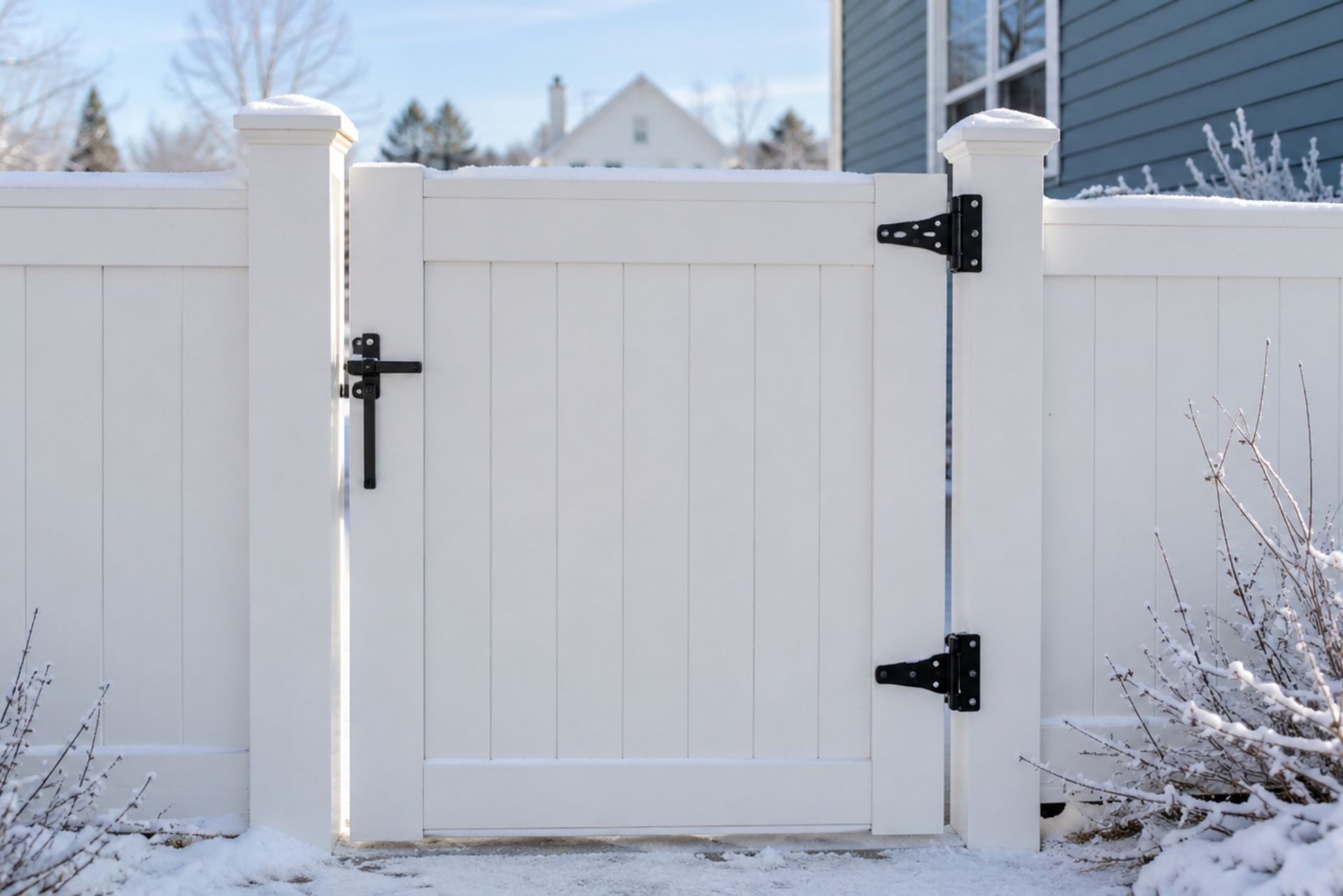
A gate that doesn’t latch properly is the single biggest security risk on your property. Whether you have an aging wood gate that has warped out of alignment or an aluminum gate with rusted hinges, a malfunction here is a major liability for homeowners with pets or children.
For pool owners in the Centre Region, this isn’t just a recommendation—it’s a legal requirement. Pennsylvania pool safety codes (including the 2026 updates) mandate that all pool gates must be self-closing and self-latching, with the latch situated at least 54 inches above the ground. If your gate drags on the ground or requires a manual "tug" to lock, you are likely in violation of local safety ordinances, which can lead to hefty fines or increased insurance premiums.
3. Hidden Wood Rot and Pest Damage
Wood rot is a silent liability that often starts below the surface. In our damp climate, moisture can settle into the base of wooden posts where they meet the concrete or soil. This leads to "bottom-up" rot that can hollow out a post while it still looks fine at eye level.
Pest damage, particularly from termites or carpenter ants, is another hidden risk in Central PA. If you see small holes or feel "spongy" wood near the ground, your fence’s structural skeleton is being eaten away. A compromised fence cannot provide the protection you need and will drastically lower your home’s appraisal value during a resale, as inspectors will flag it as a safety hazard.
4. Gaps, Holes, and the "4-Inch Sphere" Rule
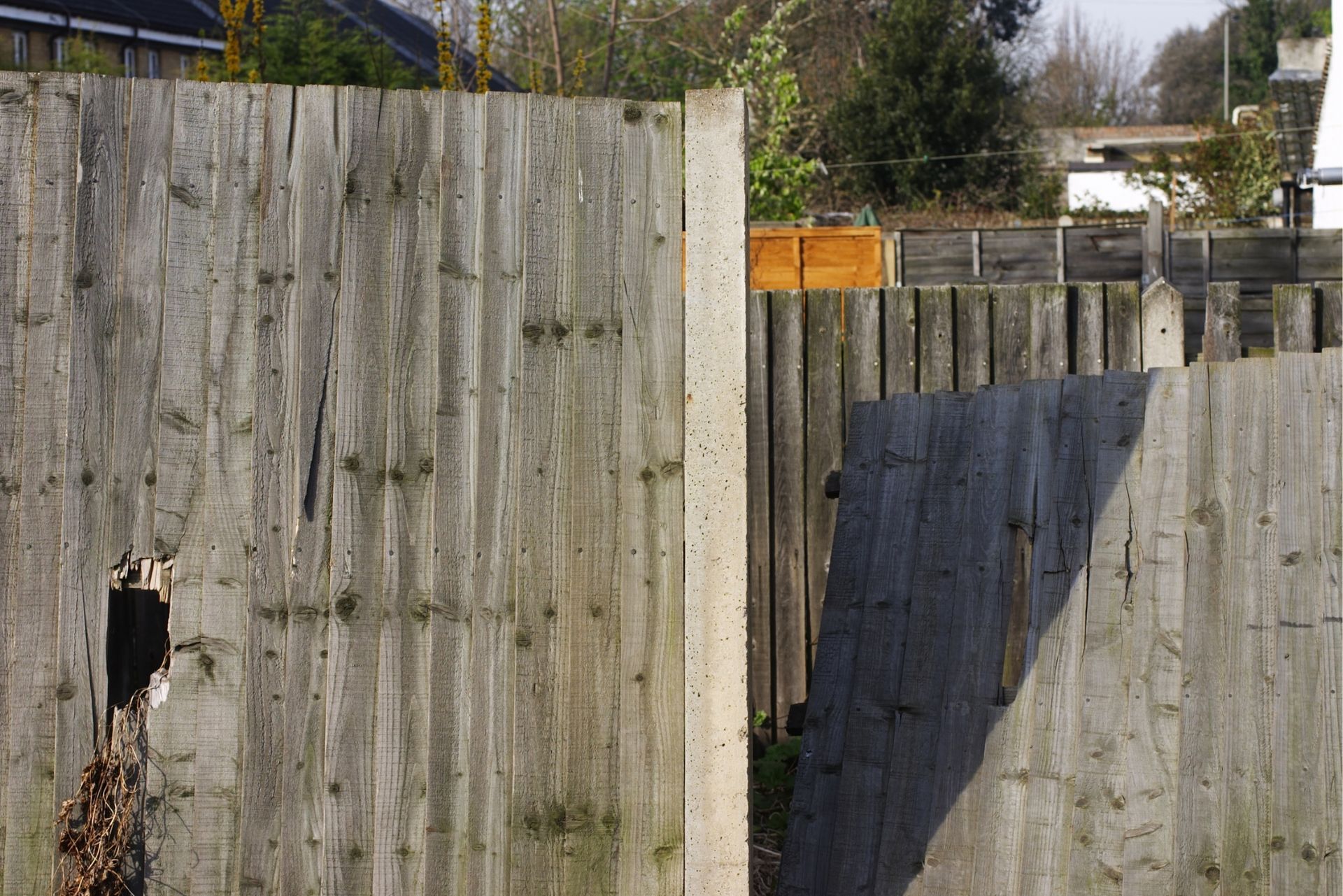
As a fence ages, panels can shift or pickets can break, creating gaps. While you might see this as a minor annoyance, it is a significant liability for property containment. A fence is meant to be a secure barrier; any gap large enough to allow a four-inch sphere to pass through is a failure point for pet safety and child protection.
These gaps also invite liability from "attractive nuisances." If a neighborhood child or animal enters your property through a hole in your fence and is injured (for example, in a pool or on a piece of equipment), you could be held legally responsible. Maintaining a gap-free perimeter with high-quality vinyl or aluminum is the best defense against these accidental liabilities.
5. Rusted Hardware and Sharp Edges
The materials used in your fence matter for safety. Older chain-link or poorly coated metal fences can develop sharp, rusted edges over time. In a residential setting, these are a major injury risk.
Rusted hardware is also a sign of "systemic failure." When hinges and brackets rust, they lose their weight-bearing capacity. If a panel falls because a rusted bracket failed, it can damage your landscaping, hurt someone nearby, or even damage a neighbor's property. Premium, non-corrosive hardware—like the stainless steel and powder-coated aluminum we use at Rolling Acres Fencing—is designed to prevent these mechanical failures entirely.
Protecting Your Asset with a Professional Upgrade
A fence should be a source of peace, not a source of stress. If your current perimeter shows any of these five signs, it is time to consider a professional upgrade. At Rolling Acres Fencing, we help homeowners in State College and the surrounding region replace their aging liabilities with high-quality, low-maintenance assets that increase home value and provide absolute security.
Is your fence ready for the 2026 season? Contact us today for a professional perimeter audit and see how a new installation can protect your home’s equity.