The Good Neighbor Property Line Guide: How to Fence Shared Boundaries Without Disputes
PLAN YOUR PROPERTY LINE FENCE THE RIGHT WAY IN CENTRAL PA

Putting up a new fence is one of the most rewarding home improvements you can make. It defines your space, gives you peace of mind, and instantly boosts your curb appeal. Because a fence sits right on the edge of your world, it is also the home project most likely to cause tension with the people living next door.
Whether you just moved into a brand-new subdivision in Bellefonte or you have lived in your State College neighborhood for fifteen years, handling a boundary project requires a mix of legal diligence, technical accuracy, and plain neighborly courtesy.
Here is how to navigate a shared boundary project smoothly, avoid expensive mistakes, and keep relationships strong with the folks next door.
Step One: Find the Pins, Do Not Guess the Line
The most common source of neighborhood fence disputes starts with an honest mistake: guessing where the property line actually sits.
Many homeowners assume that their property line runs in a straight line from a utility box, follows an existing hedge, or matches where the previous owner used to mow. These visual markers are notoriously unreliable. Over time, mowing habits drift, landscaping spreads, and utility lines are installed with wide easements that have nothing to do with deed boundaries.
Before you dig a single post hole, you need to locate your actual property pins. Surveyors drove these iron pins deep into the corners of your lot when the land was originally platted. You can often find them using a metal detector and a copy of your plot plan. If the pins are missing or the boundary is uncertain, hiring a surveyor to do a simple boundary pin locate is the best insurance policy you can buy. Spending a few hundred dollars on a survey is far better than spending thousands of dollars later to pull up concrete footings and move a fence because it encroached four inches onto your neighbor’s land.
Know Your Local Township Rules and Setbacks
Central Pennsylvania isn't governed by a single set of fencing rules. Regulations change depending on whether your home is located in State College Borough, Patton Township, Ferguson Township, Spring Township, or Bellefonte.
Local ordinances typically dictate several critical factors:
Maximum Height Allowances: Most residential zones permit a maximum height of six feet for back and side yards, while front-yard fences are often restricted to four feet or less to maintain sightlines for street traffic and driveways. Setback Requirements: Some townships allow you to place your fence right up to the property line, provided the structure does not cross it. Other municipalities require a setback of anywhere from six inches to two feet from the boundary line to allow for maintenance access without trespassing. Permit Filings: In many local jurisdictions, you must submit a simple zoning permit application accompanied by a plot plan showing the proposed fence layout before work begins.
At Rolling Acres Fencing, we walk homeowners through these regional requirements to ensure every installation fully complies with local township codes before our trucks ever arrive on site.
The Etiquette of the Good Side
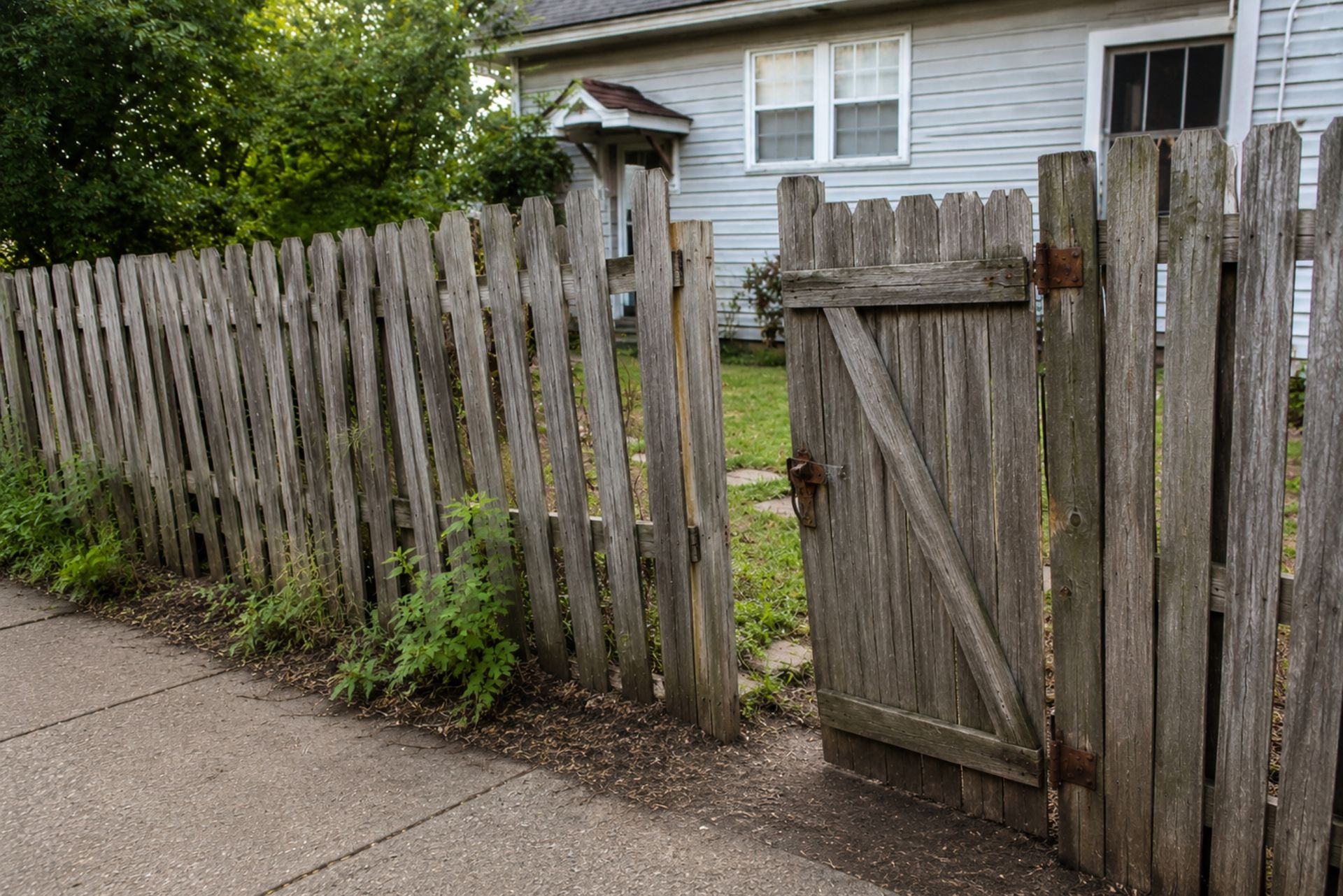
If you have ever seen an old, traditional wooden fence where one side shows smooth vertical boards and the other side displays exposed horizontal rails and structural posts, you know what people mean by the good side.
Standard etiquette, and in many Central PA townships an explicit legal requirement, states that the finished, attractive side of a fence must face outward toward your neighbors and the street. Giving your neighbor the back of the fence while keeping the finished face for yourself is a surefire way to create hard feelings.
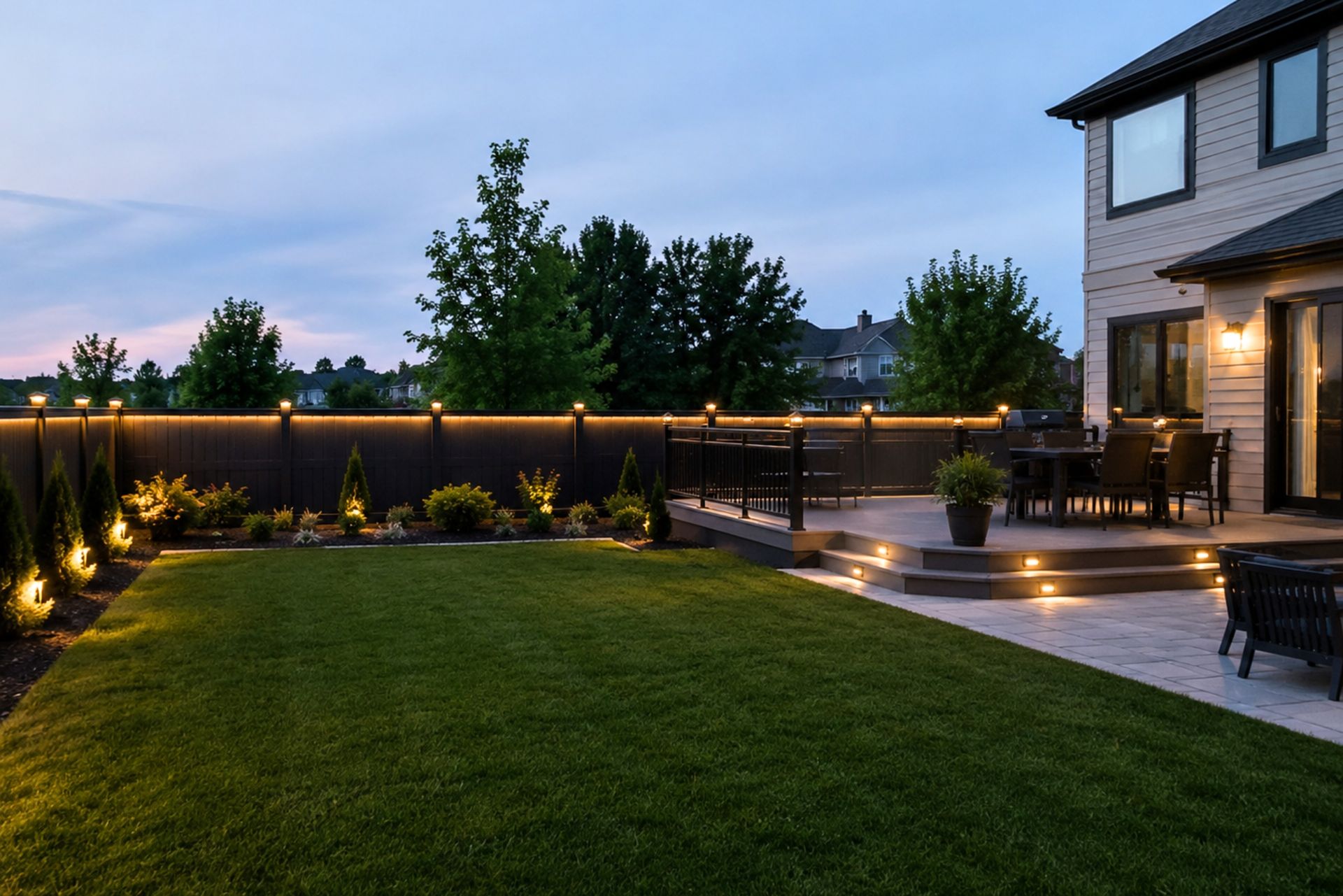
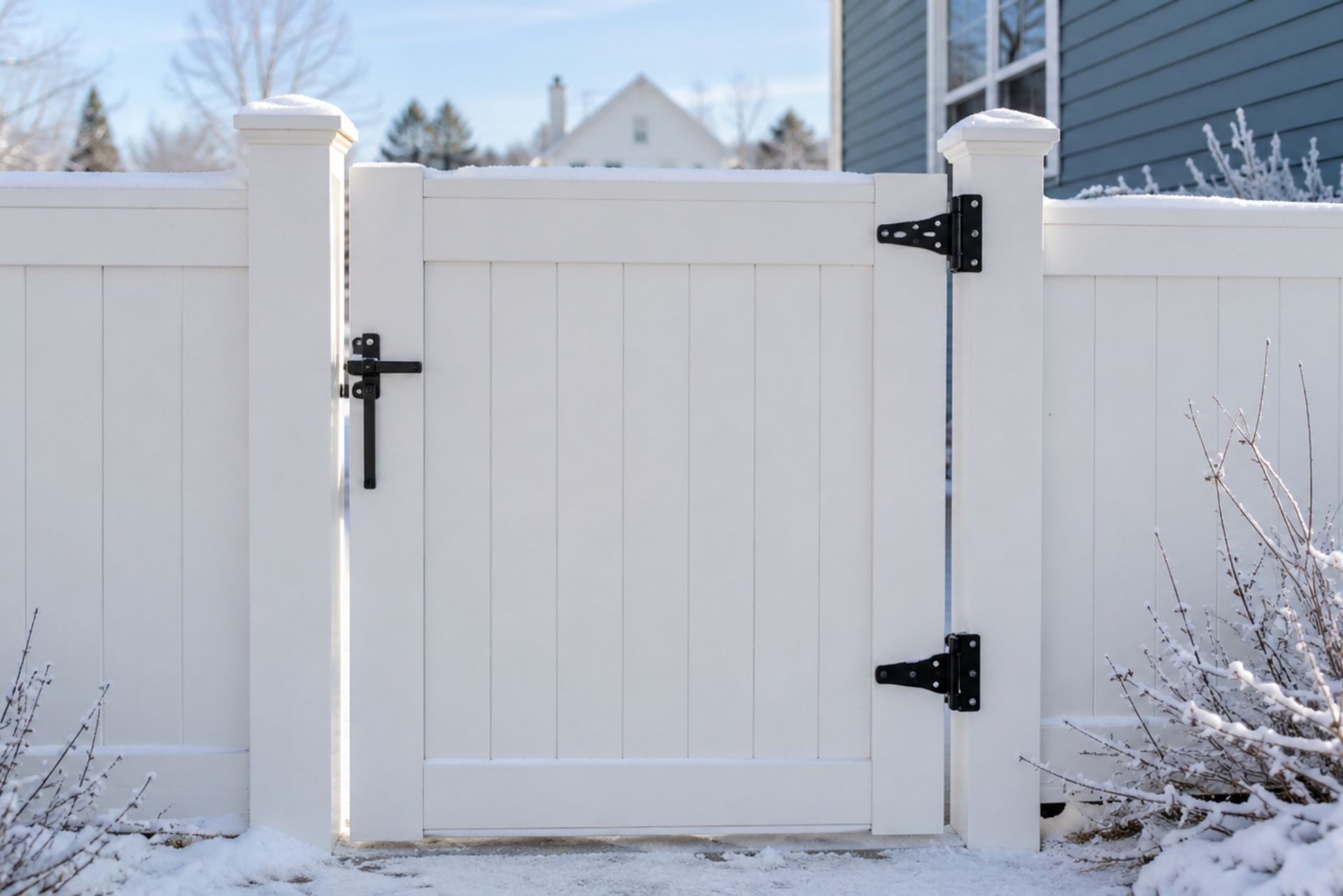
The easiest way to eliminate this issue entirely is to choose a modern, two-sided fence design. Architectural vinyl privacy panels feature identical tongue-and-groove construction on both faces; there is no unfinished back side. Similarly, our ornamental aluminum systems are completely symmetrical, offering the exact same clean, elegant aesthetic whether you are standing in your own kitchen or looking across from the neighbor’s porch. Both yards get the good side.
How to Have the Conversation Before the Crew Arrives
Even if you are paying for the entire project out of your own pocket and the fence is located entirely on your legal property, you should never surprise your neighbors with an installation crew on a Tuesday morning. A quick, friendly conversation ahead of time avoids misunderstandings and builds goodwill.
Walk over a few weeks before the scheduled installation and give them a simple, courteous heads-up. Let them know what material you have chosen, how tall it will be, and roughly when the crew will be working. If you have an active dog, mention that the new fence will keep things quieter and safer for everyone.
Show them a sample or a photo of the style from Rolling Acres Fencing so they can see that you are investing in a clean, professional, two-sided installation that will complement their own yard. When neighbors see that the project is well-planned, legally sound, and visually appealing from their vantage point, what could have been a point of friction turns into a shared neighborhood improvement.