The Architectural Anchor: Matching Fence Geometry to Central PA’s Historic and Modern Facades
How the right fence can complement and elevate your home’s design
When you look at the neighborhoods of State College and Bellefonte, you see a rich tapestry of history and design. From the stately Victorian mansions of Bellefonte to the clean-lined mid-century modern homes in College Heights, the architecture of Central Pennsylvania tells a story of craftsmanship. However, even the most beautiful home can feel incomplete if its perimeter is defined by a fence that doesn't speak the same visual language.
At Rolling Acres Fencing, we believe a residential fence should serve as an architectural anchor. It isn't just a boundary; it is the frame that defines your property. Choosing the right fence involves understanding the geometry, texture, and era of your home to create a cohesive aesthetic that looks intentional rather than accidental.
How to Choose the Best Fence Design to Match Your Home's Architecture
The primary rule of high-end fence building is respect for the existing structure. Before looking at catalogs, take a moment to analyze the dominant lines of your house. Is your roofline steeply pitched with intricate gables, or is it low and horizontal? Are your windows framed with heavy, traditional trim, or are they sleek and minimalist?
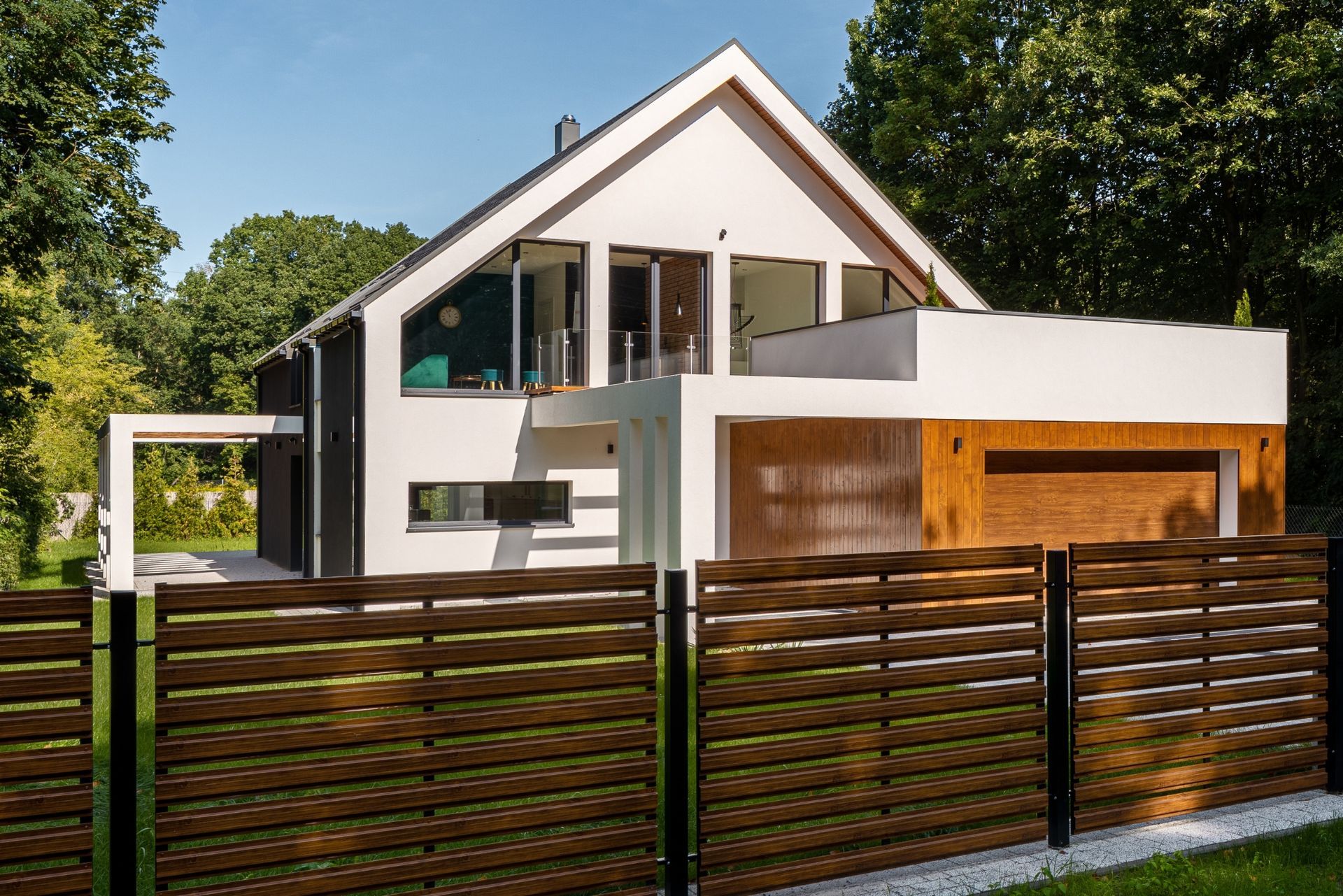
For homes with complex details, like the Queen Anne or Gothic Revival styles common in Bellefonte, your fence should mirror that intricacy. An ornamental aluminum fence with spear tops and decorative finials provides the necessary visual weight to complement a highly detailed facade. Conversely, if you live in a contemporary home with a flat roof and large glass spans, a simple, understated fence with horizontal lines will reinforce that uncluttered, modern aesthetic.
Best Fence Styles for Mid-Century Modern vs. Farmhouse vs. Victorian Homes
Matching a fence to a specific era is the hallmark of a premium installation. Each major architectural style found in the Centre Region has a "soulmate" in the fencing world.
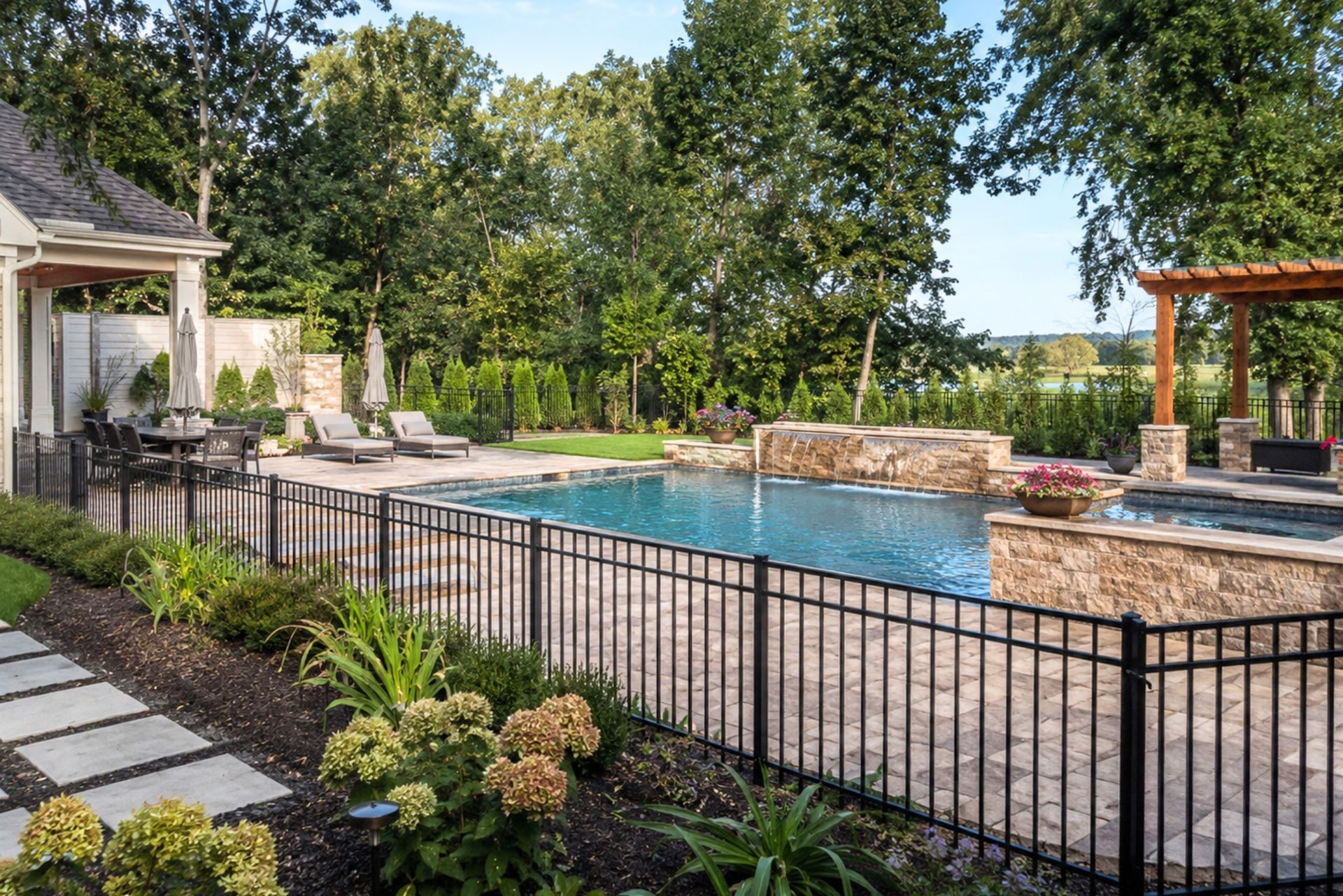
Victorian and Historic Estates: In the historic districts of Bellefonte, the goal is often to mimic the elegance of traditional wrought iron. Since actual iron is a maintenance nightmare, we recommend black aluminum fencing with classic spear tops or arched picket tops. This captures the regal, high-class feel of the 19th century while providing the low-maintenance benefits of modern materials.
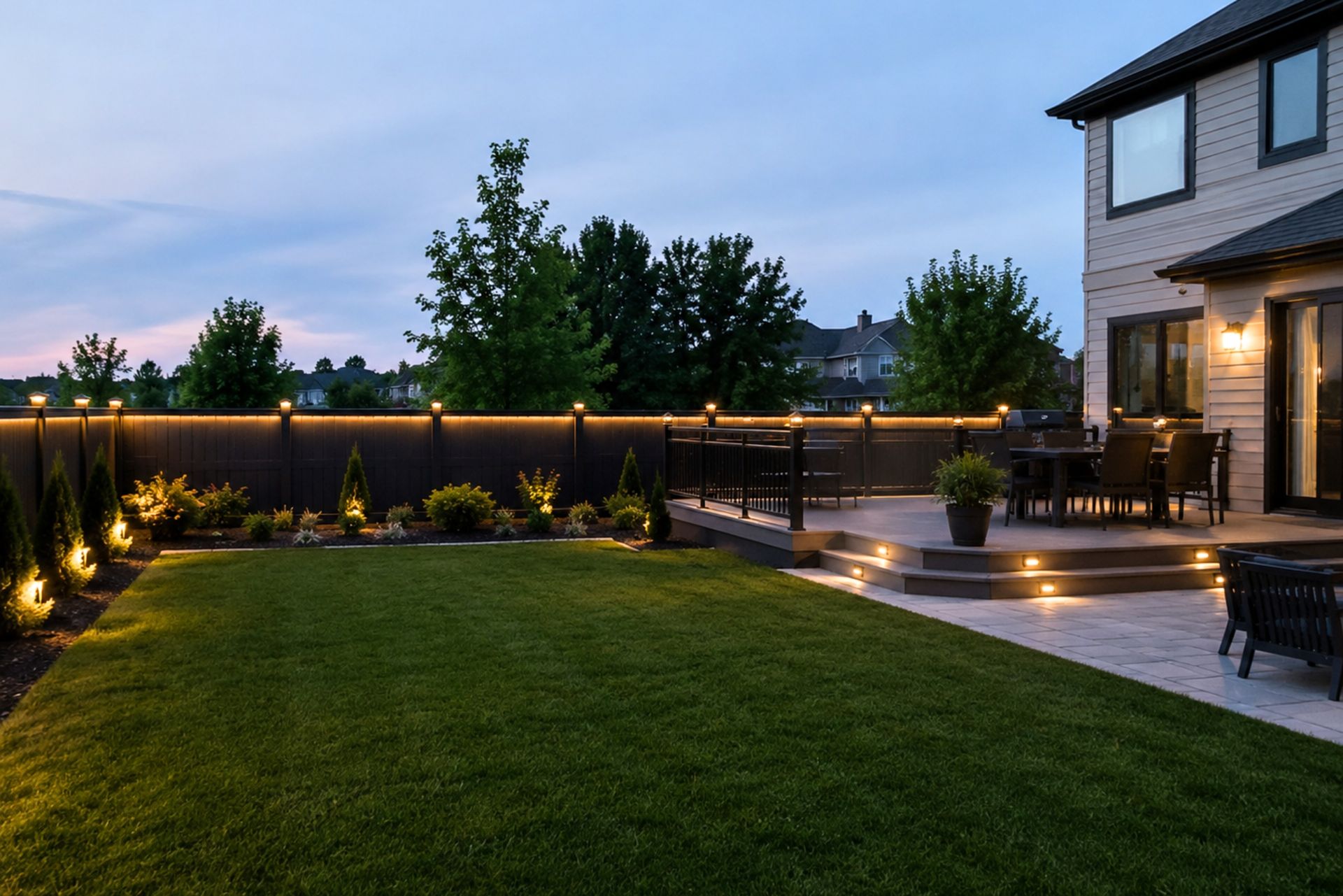
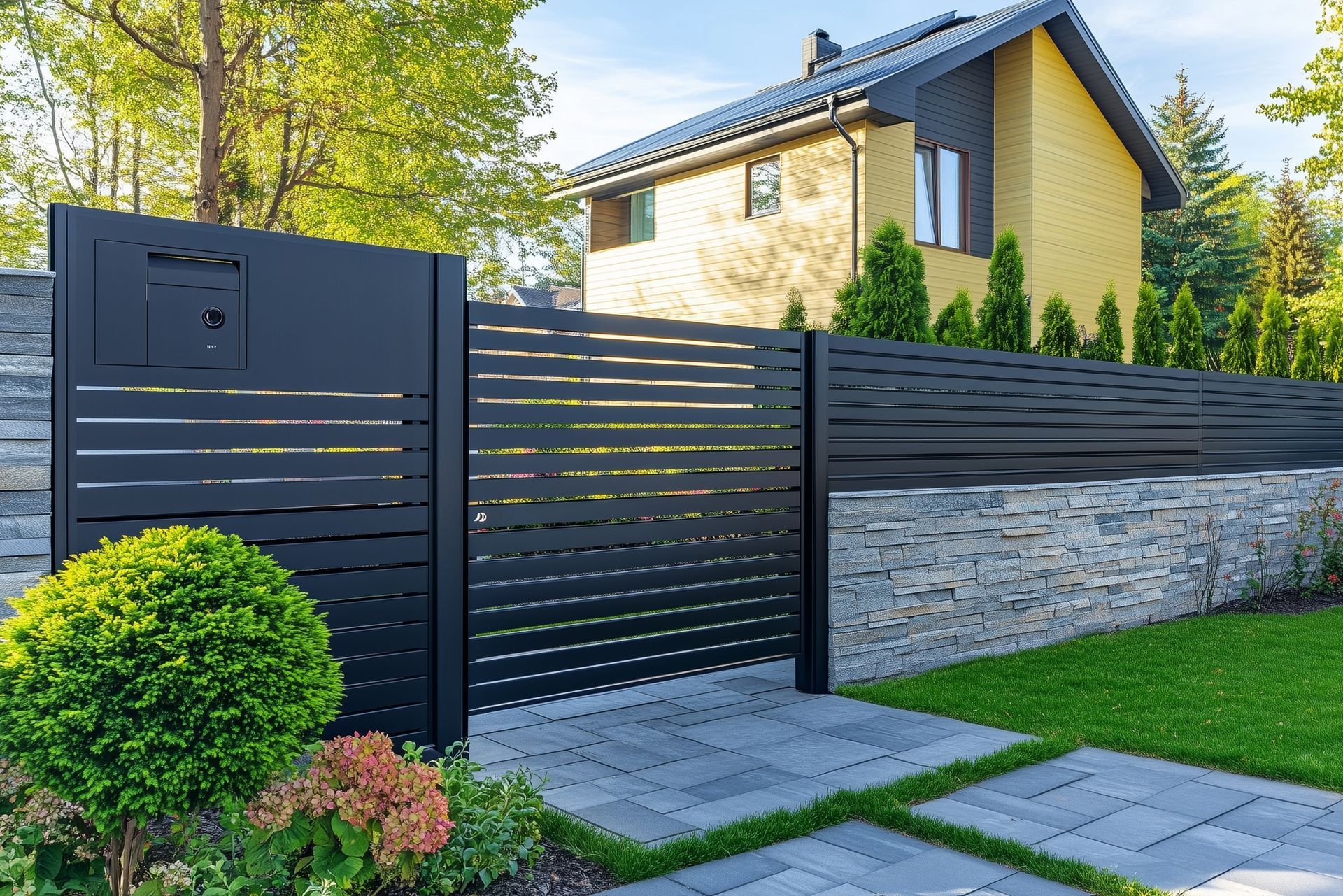
Mid-Century Modern and Contemporary: For the sleek homes built during State College’s mid-century boom, clean geometry is everything. A black or dark bronze aluminum fence with a flat top rail provides a sophisticated, low-profile boundary. If privacy is the goal, horizontal slat vinyl or wood fencing creates a striking, boxy silhouette that perfectly aligns with the linear nature of modern design.
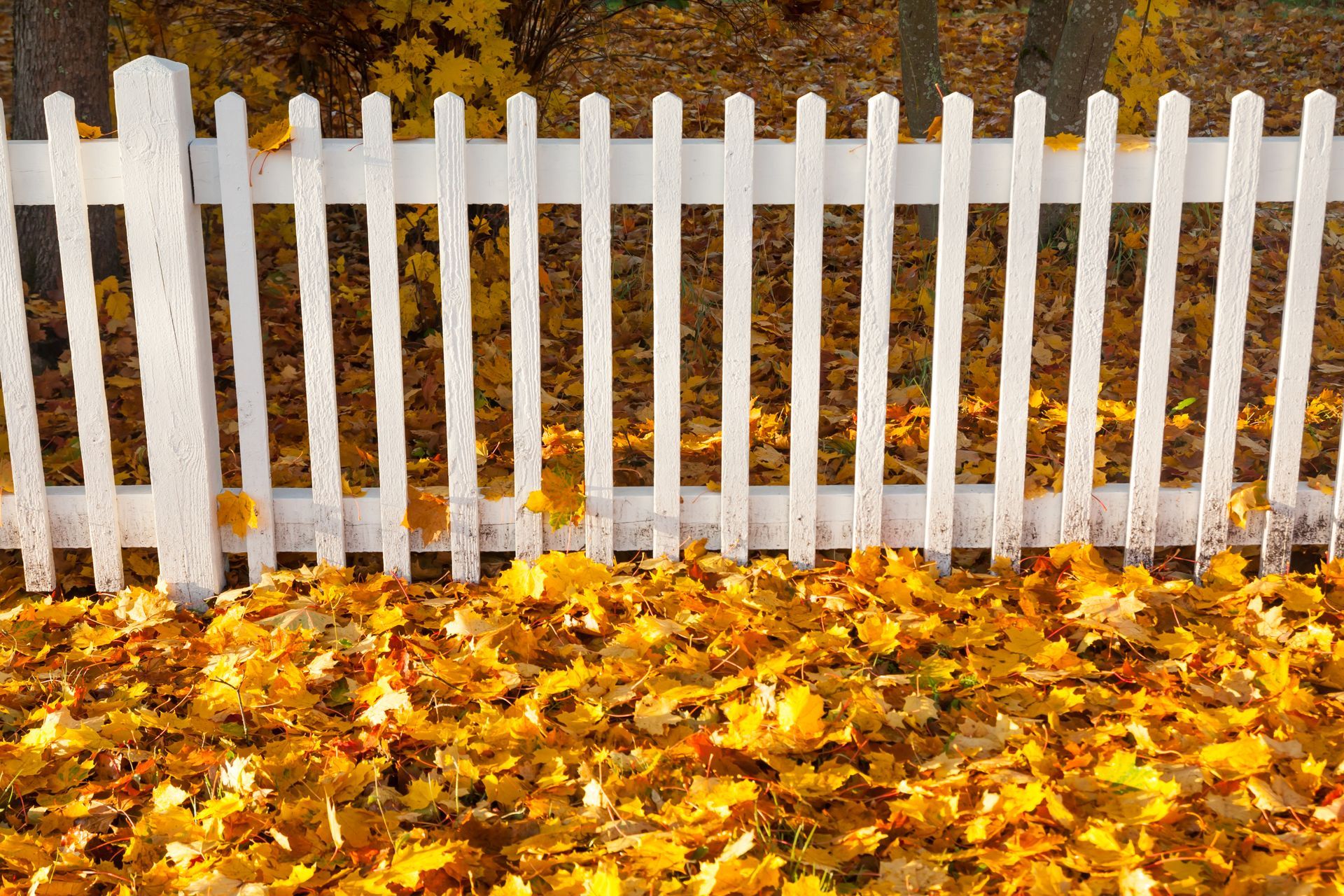
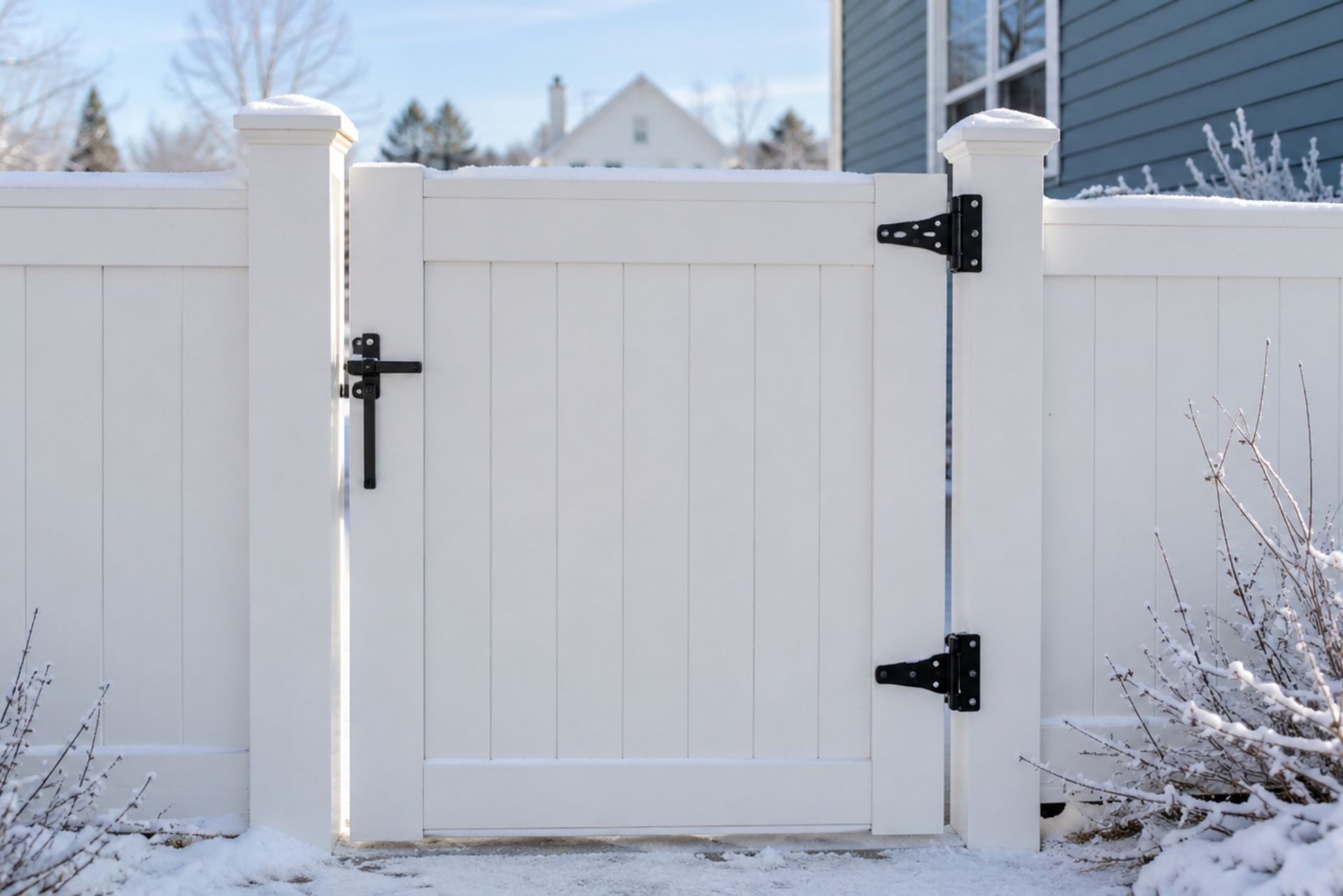
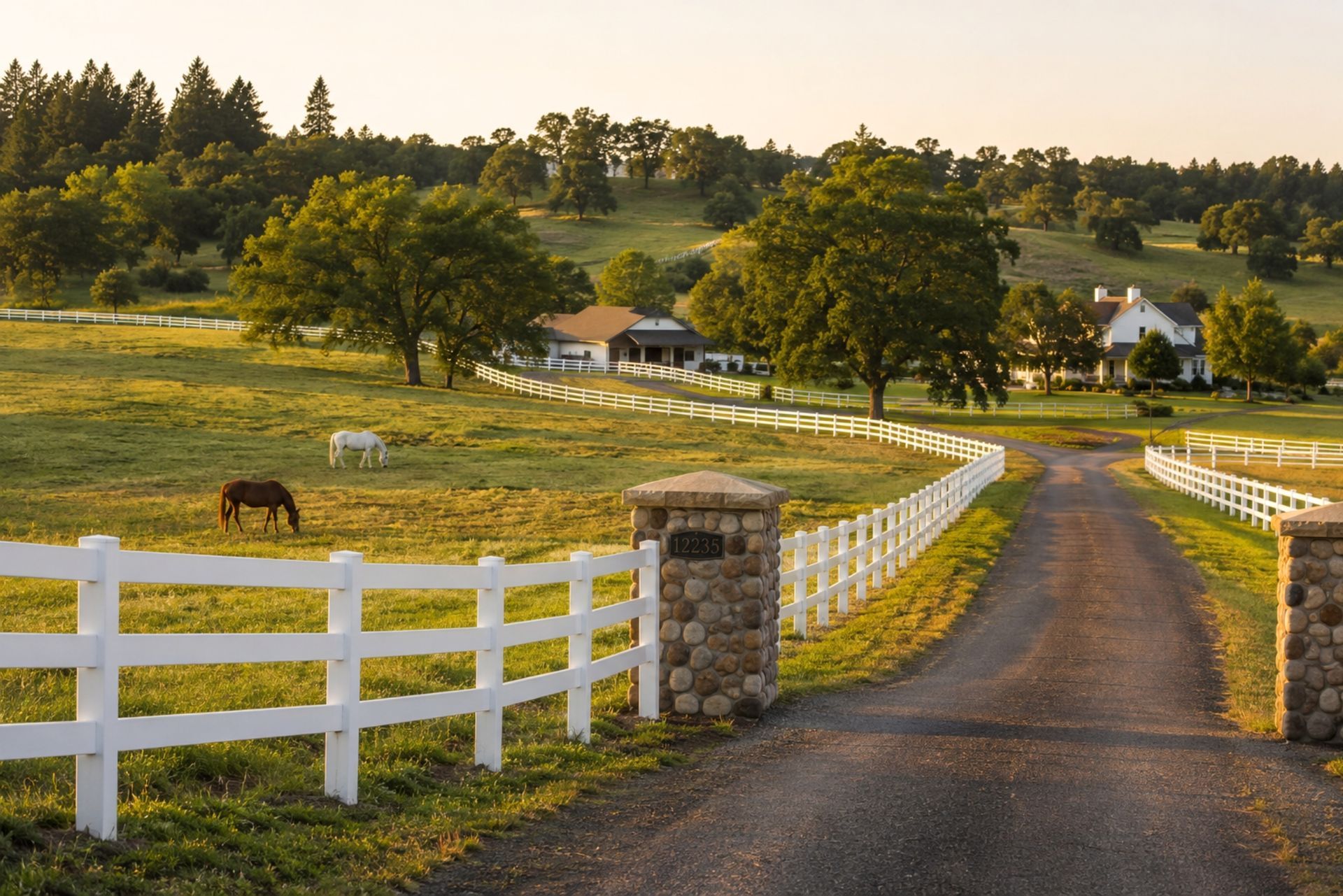
Traditional Farmhouse and Colonial: The sprawling farmhouses of Penns Valley and the Colonial Revivals in State College require a sense of timeless warmth. A classic white picket fence—whether in traditional wood or low-maintenance vinyl—offers that iconic Americana charm. For a more rustic, open feel on larger acreages, a vinyl split-rail or a wooden slip-board fence provides a sturdy, functional boundary that respects the agricultural heritage of the region.
Matching Aluminum Fence to Modern vs. Historic Homes
Aluminum fencing is incredibly versatile, but it must be styled correctly to fit the era of the home. On a modern home, aluminum is used to create a "disappearing" perimeter. By choosing a thin profile and a dark finish, the fence recedes into the background, allowing the architecture of the house to remain the focal point.
On a historic home, the aluminum fence is meant to be seen. It should be used to create a formal entrance or a protective courtyard. In these settings, we often suggest adding ornamental accessories like scrolls, rings, or ball caps for the posts. These details echo the hand-forged ironwork of the past, ensuring the fence feels like an original part of the estate.
Coordinating Color and Finish for a Cohesive Look
Color is the final piece of the architectural puzzle. For an instant, unified look, many homeowners choose to match their fence color to the home's trim, shutters, or garage doors.
A black fence is the universal neutral; it pairs beautifully with the limestone foundations found in Boalsburg and the red brick facades of downtown State College. If your home features softer, earth-toned siding, a bronze or "sandstone" finish can provide a more integrated feel. For those with traditional white clapboard or siding, a white vinyl fence provides a crisp, high-contrast look that radiates cleanliness and order.
Why Professional Installation is the Ultimate Design Choice
Achieving a perfect architectural match requires more than just picking the right style from a menu. It requires a professional eye for scale and proportion. A fence that is too tall can overwhelm a small cottage, while a fence that is too short can look insubstantial against a sprawling estate.
At Rolling Acres Fencing, we work as design consultants for our clients. We ensure that your residential fence is installed with the correct setbacks, the proper post-to-panel ratios, and a level of precision that highlights the beauty of your Central Pennsylvania home. When the geometry of the fence matches the soul of the house, your property doesn't just look fenced in—it looks complete.