Fencing That Hides: Using Strategic Placement to Conceal Utilities and HVAC Units
Smart fence designs to keep your backyard beautiful and functional.
For homeowners who take pride in their property, few things disrupt the aesthetic charm of a backyard or side yard more than exposed utility boxes, air conditioning units, propane tanks, or constantly overflowing trash bins. While these systems are necessary, they certainly don't add to the curb appeal of your residential fence line in State College or Boalsburg.
At Rolling Acres Fencing, we specialize in more than just perimeter fences; we design functional screening solutions. The challenge lies in concealing these necessary eyesores without creating code violations, restricting airflow (which can damage HVAC units), or hindering access for maintenance technicians. Successfully hiding these elements requires a strategic approach that is both visually effective and compliant with strict operational codes. This is strictly a job for a professional fence contractor, as mistakes can lead to system failures or fines.
The Critical Rules of Functional Screening
Before installing any privacy screen or utility fence, homeowners must adhere to strict guidelines concerning mechanical equipment. Failing to follow these rules can lead to expensive repairs or mandate the removal of your beautiful new screen.
- HVAC Airflow: Air conditioning condensers and heat pumps require ample clearance—typically two to three feet—on all sides to draw and expel air efficiently. Blocking the airflow with a solid fence can cause the unit to overheat, dramatically reducing its efficiency and lifespan. Any screen must be installed far enough away to avoid this issue.
- Utility Access: All utility meters and service boxes must remain accessible to local utility personnel at all times. Placing a permanent, fixed screen directly around them is usually against code. We design enclosures with specific gate placement or removable panels to ensure full, unimpeded access is always available.
- Code Compliance: Municipalities, including Bellefonte and Boalsburg, often have specific codes regarding setbacks from utility boxes and easements. Our local expertise ensures that any screening enclosure is built with the required clearances, preventing future disputes or the need for costly removal.
Choosing the Right Material to Conceal and Protect
The material you choose should offer dense coverage while remaining durable and non-combustible near mechanical equipment.
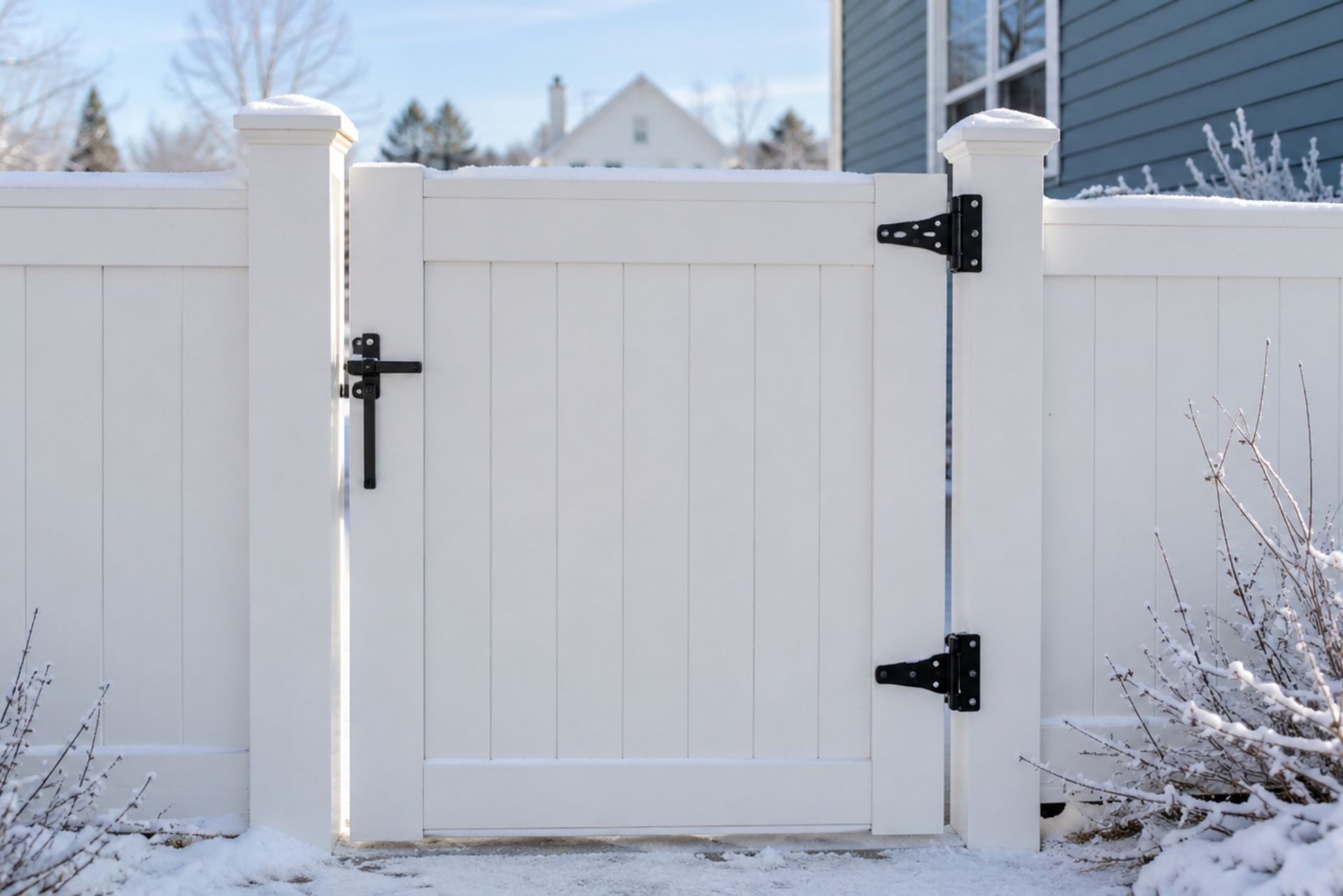
- Vinyl Slats and Louvers: Vinyl is an excellent choice for utility screening due to its extreme durability and ease of cleaning. We can install tight-fitting vinyl slats or louvers that offer maximum coverage while maintaining a gap at the top and bottom to promote airflow. This offers a great solution for long-term concealment in areas like Centre Hall.
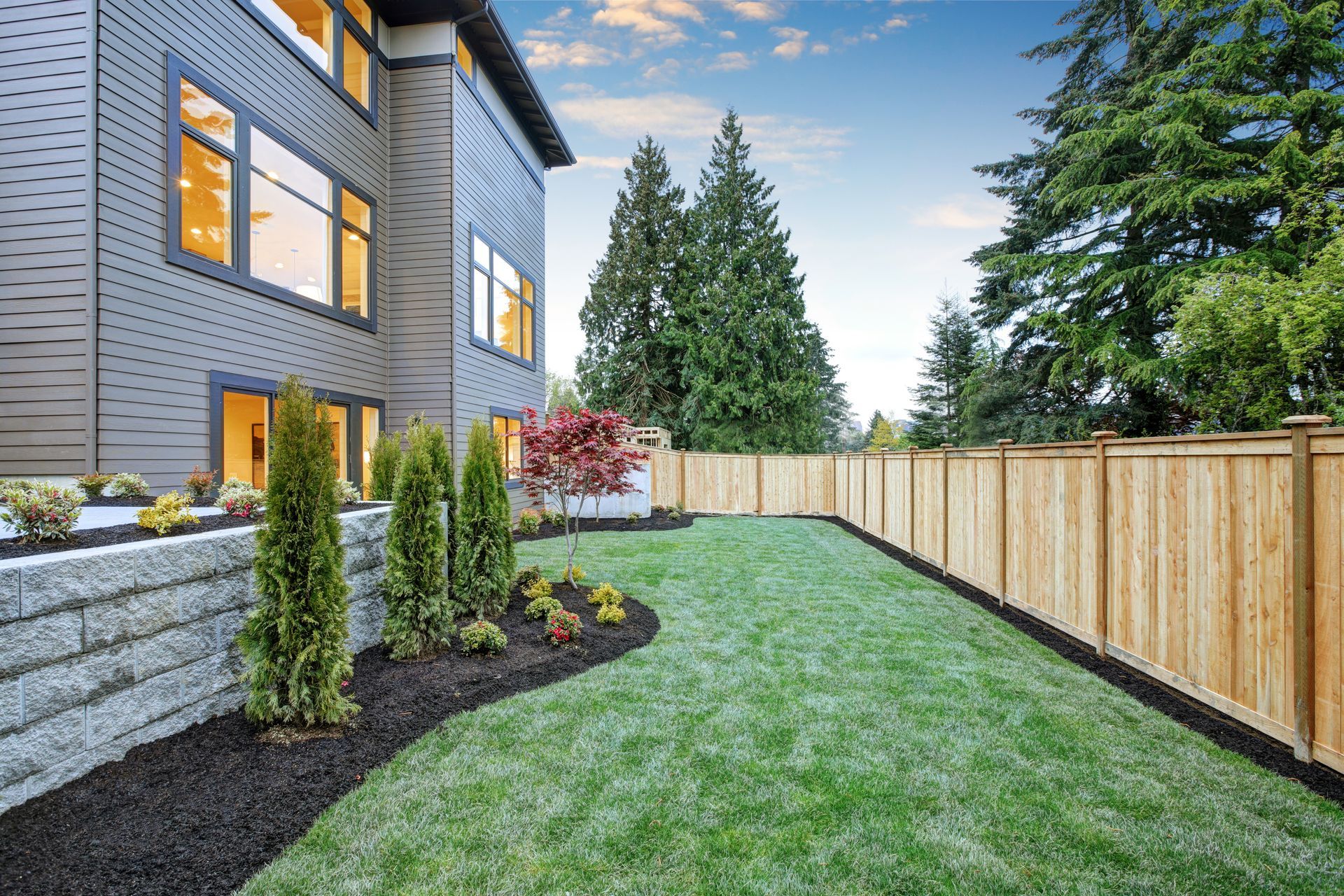
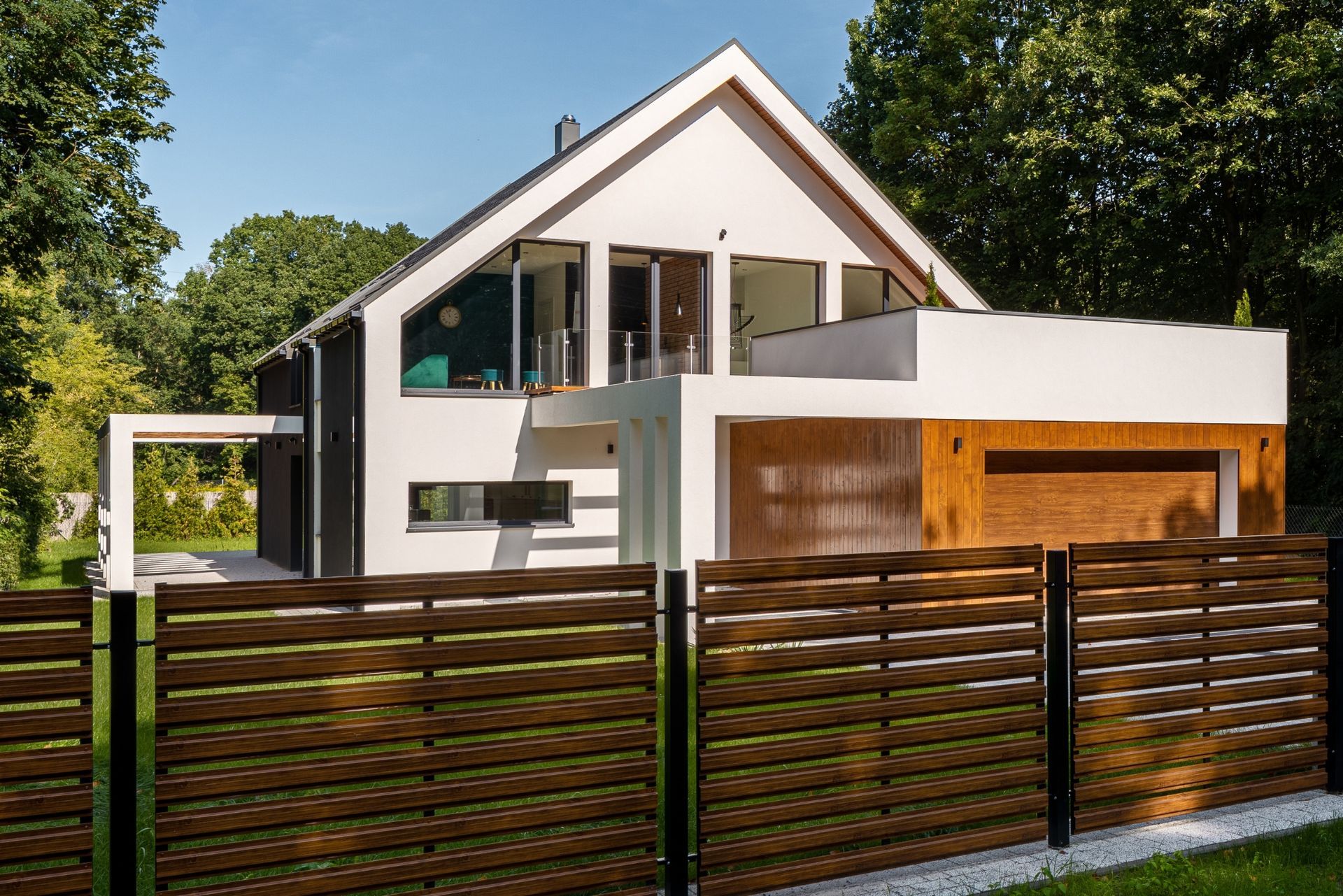
- Horizontal Wood Slat Screening: A modern and highly effective solution is using horizontal wood slats. By intentionally leaving small, uniform gaps between the slats, you achieve a stylish screen that still allows crucial airflow for HVAC units. This offers a warmer, more natural aesthetic, which is popular for properties with substantial wood landscaping features.
- Aluminum Screening: For industrial or larger applications, or when durability is key, tight-mesh aluminum fencing can provide robust, rust-free screening. It offers a cleaner, more contemporary look than standard chain-link while still providing excellent ventilation.
Strategic Placement for Maximum Impact
The success of aesthetic screening is less about the material and more about its placement. We treat the screen as an integrated piece of landscape architecture, not just a box.
- Enclosures vs. Shields: For HVAC units and trash bins, we often recommend three-sided enclosures rather than fully boxed structures. This provides easy access and maximizes airflow on the open side. The screen should be positioned to block the view from primary vantage points, such as the patio or kitchen window.
- Height and Proportion: The screen should be slightly taller than the equipment it conceals, maintaining a clean line above the unit. However, we avoid overly tall screens that look disproportionate to the rest of the residential fence perimeter.
- Aesthetic Integration: The best utility screens look like intentional architectural features. We recommend matching the material and color to your main residential fence or the trim on your home, creating a cohesive design throughout your entire property. A well-designed screen transforms an eyesore into a feature, dramatically improving the look of your yard.
Don't let utility boxes detract from your beautiful outdoor space. Contact the fence contractors at Rolling Acres Fencing today to design a custom, code-compliant screening solution that improves the functionality and aesthetics of your home.