Fencing Around Easements: How to Secure Your Property Without Violating Utility Access Rights
How to protect your fence and property rights with easement awareness.
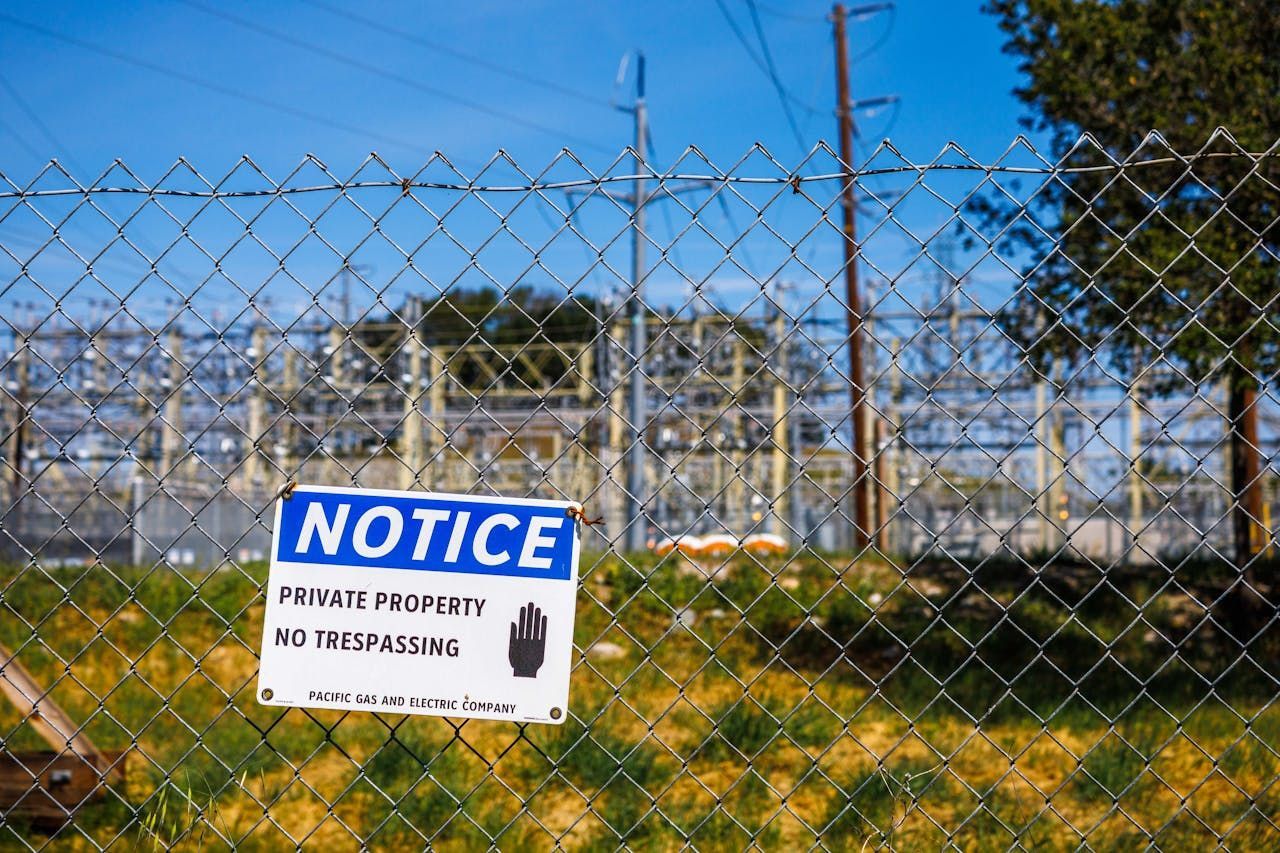
Building a new fence is one of the best ways to secure your property and define your boundary, but the project instantly becomes more complicated when a utility easement runs through your land. An easement is a legal right that allows another party, such as a utility company or a neighboring property owner, to use a specific portion of your land for maintenance, repair, or construction (such as water lines, sewer lines, or buried cables).
Ignoring an easement when installing a fence is a costly mistake. If a utility company needs to access their lines beneath your fence in Lemont or Spring Mills, they have the legal right to remove, damage, or destroy the fence without compensating you for its replacement. At Rolling Acres Fencing, we consider these easements a critical part of the planning process, ensuring your fence provides security without risking damage or violating property rights.
Step 1: Locate and Understand Your Easements
The first and most important non-DIY step is finding the exact location of all easements on your property.
- Consult Your Deed and Survey: Your property deed and the most recent land survey should clearly show the location and dimensions of any dedicated easements. The language of the easement defines what the utility company is permitted to do and whether permanent structures are explicitly prohibited.
- Call Before You Dig (811): Before any ground is broken for post setting, the utility lines must be marked. Calling 811 is a legal requirement across Pennsylvania and ensures that buried utilities are located and avoids accidental damage. Even if the utility lines are buried deep, the easement is still valid.
- Identify the No-Build Zone: Most easements create a "no-build zone" where permanent structures are prohibited. It is crucial to determine if your planned residential fence falls within this zone. This information is vital for us to begin accurate planning in areas like State College and Boalsburg.
Step 2: Choose the Right Fence Type for Easement Areas
Since a fixed, permanent fence cannot be built directly over many types of easements, a strategic solution is required to maintain security across the entire boundary.
- Avoiding Permanent Footers: The primary danger is setting permanent concrete posts or footings directly over the easement. We can adjust the fence line to fall just outside the easement boundary, or we can use specific installation techniques that utilize smaller, non-concrete anchors where necessary.
- Using Flexible Materials: For the portion of the fence that must run along or across an easement, choosing flexible, easily removable materials can be a smart compromise. Aluminum fencing or lighter chain-link sections can be removed quickly in the event a utility company needs immediate access to an underground line. This option is far more practical than having a major structural wall torn down.
- Material Choice: Vinyl and aluminum fencing are often better choices than heavily reinforced wood posts in easement zones because they are lighter and the sections are easier to remove and reinstall if necessary. This is especially true near electrical infrastructure in areas like Pine Grove Mills.
Step 3: Integrating Gates for Legal Access
The most practical and legally compliant way to manage a fence crossing an easement is to install a large, robust access gate.
- Full-Width Access: The gate must be wide enough to allow the largest piece of maintenance equipment the utility company might require (which can often be a large backhoe or service truck) to pass through without touching the fence posts. The gate should span the full width of the easement.
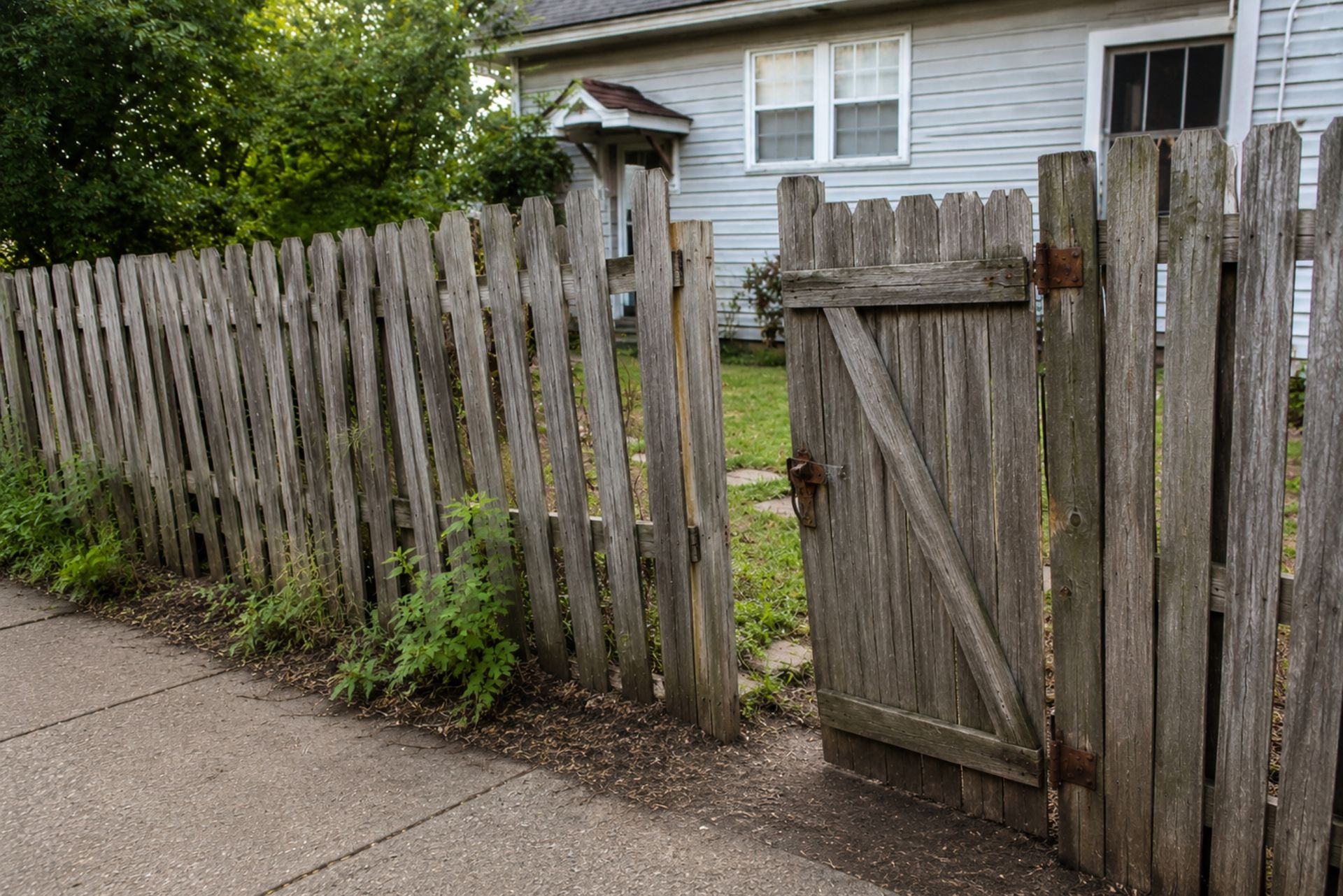
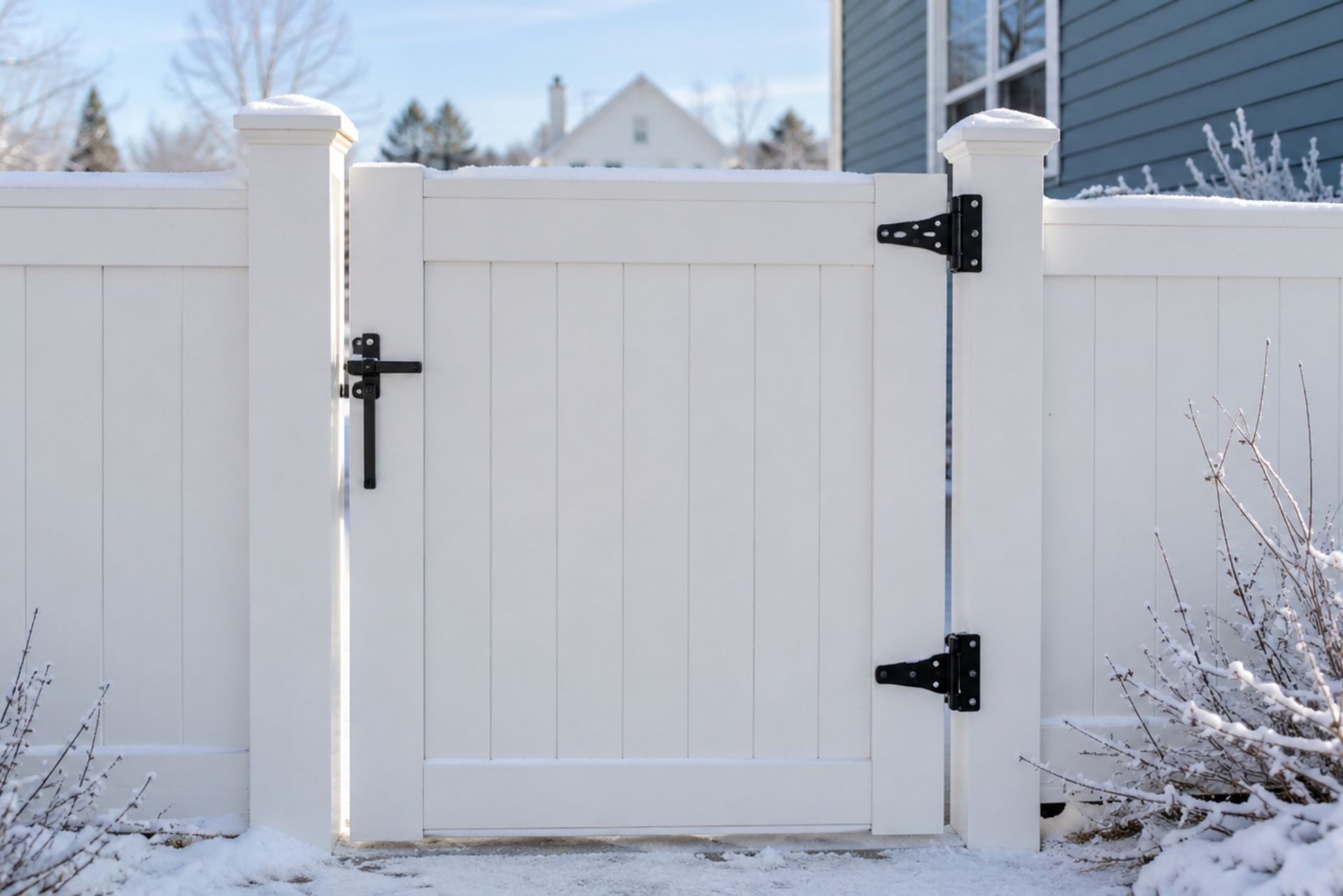
- Clearance and Latches: The gate should be installed with heavy-duty hinges to allow for full swing and easy opening. The locking mechanism should be simple but secure—often, a lockable latch that can be easily accessed or cut in an emergency by utility services is necessary.
- Gate Type: For wide easements, a double swing gate or a rolling chain-link fence gate may be required to cover the width while ensuring the gate can be opened fully and quickly. This is essential for large rural properties in Centre Hall or Port Matilda.
Protecting Your Investment and Maintaining Property Rights
When Rolling Acres Fencing installs your fence around an easement, we are protecting your investment. We ensure that your fence is built to maximize security while respecting the legal rights of utility services, minimizing the chance that your fence will be legally destroyed without compensation. We provide expert advice on setbacks and material selection tailored to the specific legal challenges of fencing in Pennsylvania.
Building a fence on or near an easement is not a project to approach lightly. By relying on the expertise of Rolling Acres Fencing, you gain a partner who can interpret property lines, advise on materials that meet both security and access requirements, and ensure your investment is protected from costly legal disputes and mandatory removal.