The Post-Winter Checklist: How to Inspect and Repair Fence Damage After a Central PA Freeze
Protect your property with a post winter fence evaluation plan
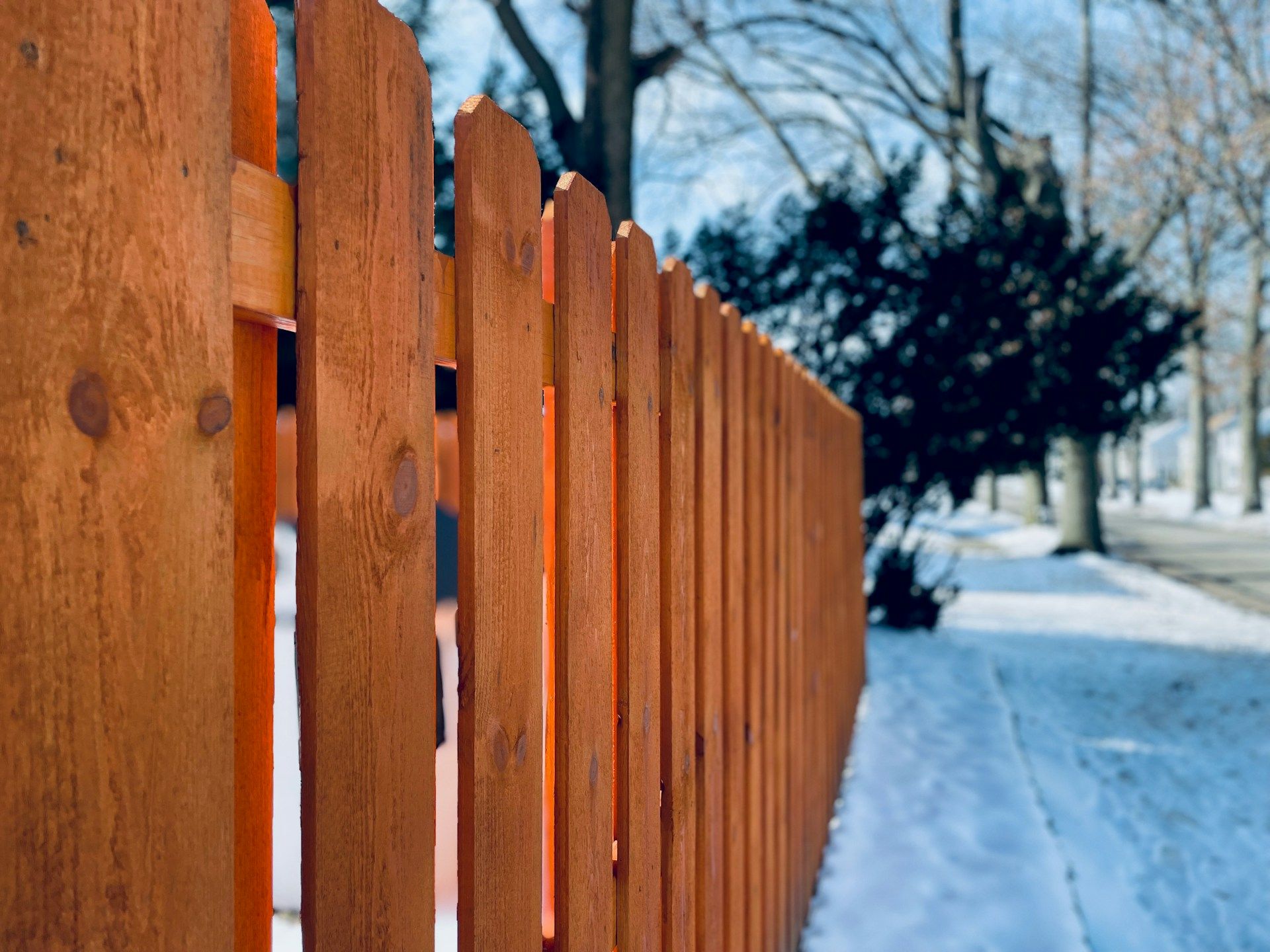
The winters in Central Pennsylvania are notoriously tough on outdoor structures. Between the heavy lake-effect snow in State College and the biting ice storms that roll through Bellefonte and Boalsburg, your residential fence acts as the primary shield for your property. However, once the snow finally melts and the ground begins to thaw, many homeowners find that the freeze-thaw cycle has left behind a few structural headaches.
At Rolling Acres Fencing, we know that spring is the most critical time for a fence inspection. Identifying small issues now prevents them from turning into costly replacements later in the summer. This guide will walk you through a professional checklist to assess winter damage and determine the best path for repair, ensuring your perimeter remains secure and attractive for the year ahead.
Understanding Frost Heave and Post Stability
The most common issue following a harsh Pennsylvania winter is frost heave. This occurs when moisture in the soil freezes and expands, physically pushing fence posts upward out of the ground. When the ground thaws, the post may not settle back into its original position, leading to a leaning or wobbly fence line.
Walk the entire perimeter of your property and gently push on each post. If you notice significant movement or if the post looks visibly higher than its neighbors, the structural integrity of that section is compromised. For vinyl and aluminum fences, this can put immense pressure on the horizontal rails and the bracket connections. In many cases, a heaved post needs to be professionally reset deeper than the frost line to prevent the same issue from occurring next year.
Inspecting Hardware and Connection Points
Extreme cold causes materials to contract, and heavy snow loads can put hundreds of pounds of pressure on the hardware that holds your fence together. During your spring walk-through, pay close attention to the following areas:
Check all brackets and screws on your aluminum fencing. Look for any signs of shearing or screws that have backed out due to the vibration of high winter winds. For vinyl fencing, inspect the points where the rails insert into the posts. If the fence shifted during a blizzard, these rails might be partially unseated, which can lead to a section falling out during the next spring thunderstorm.
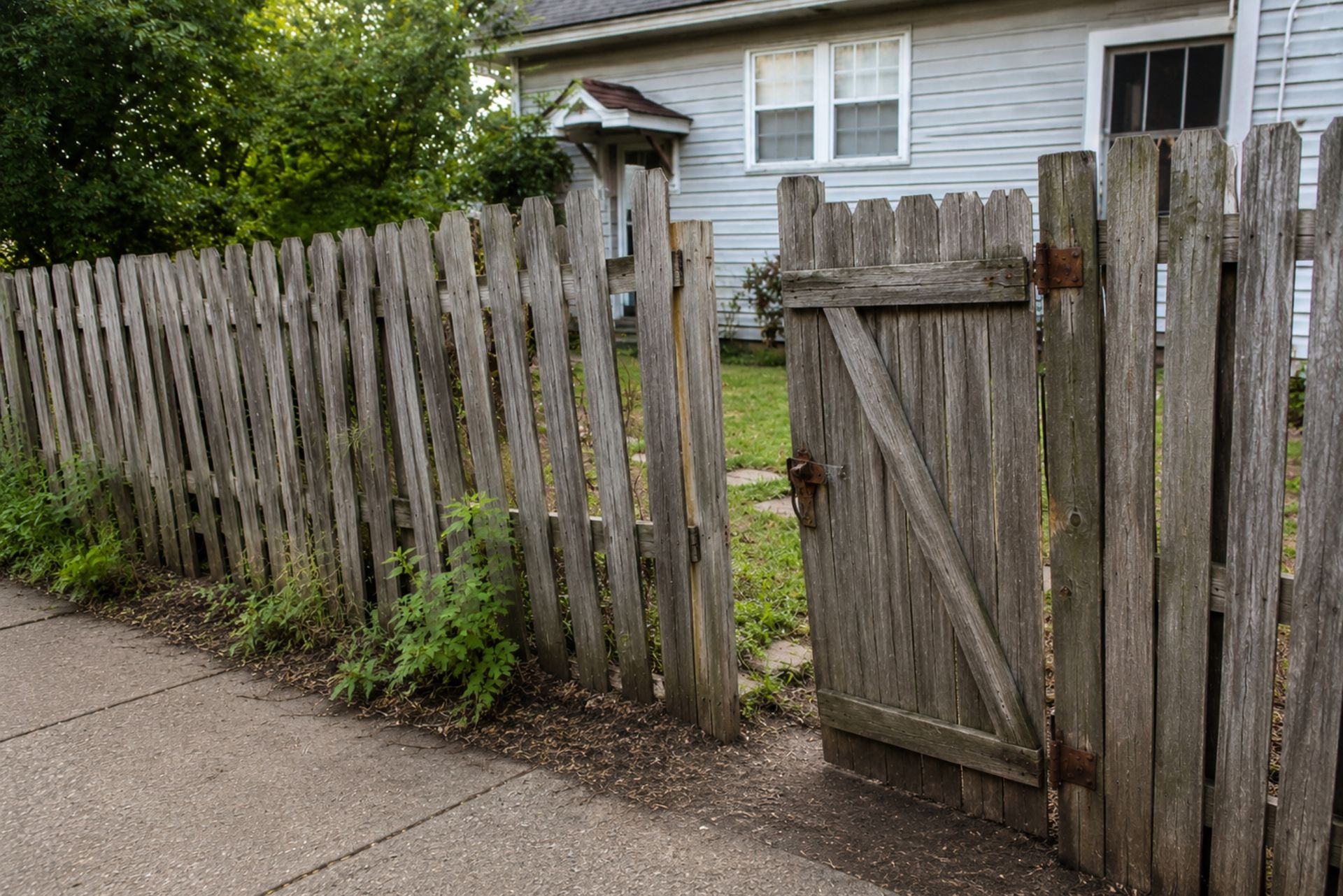
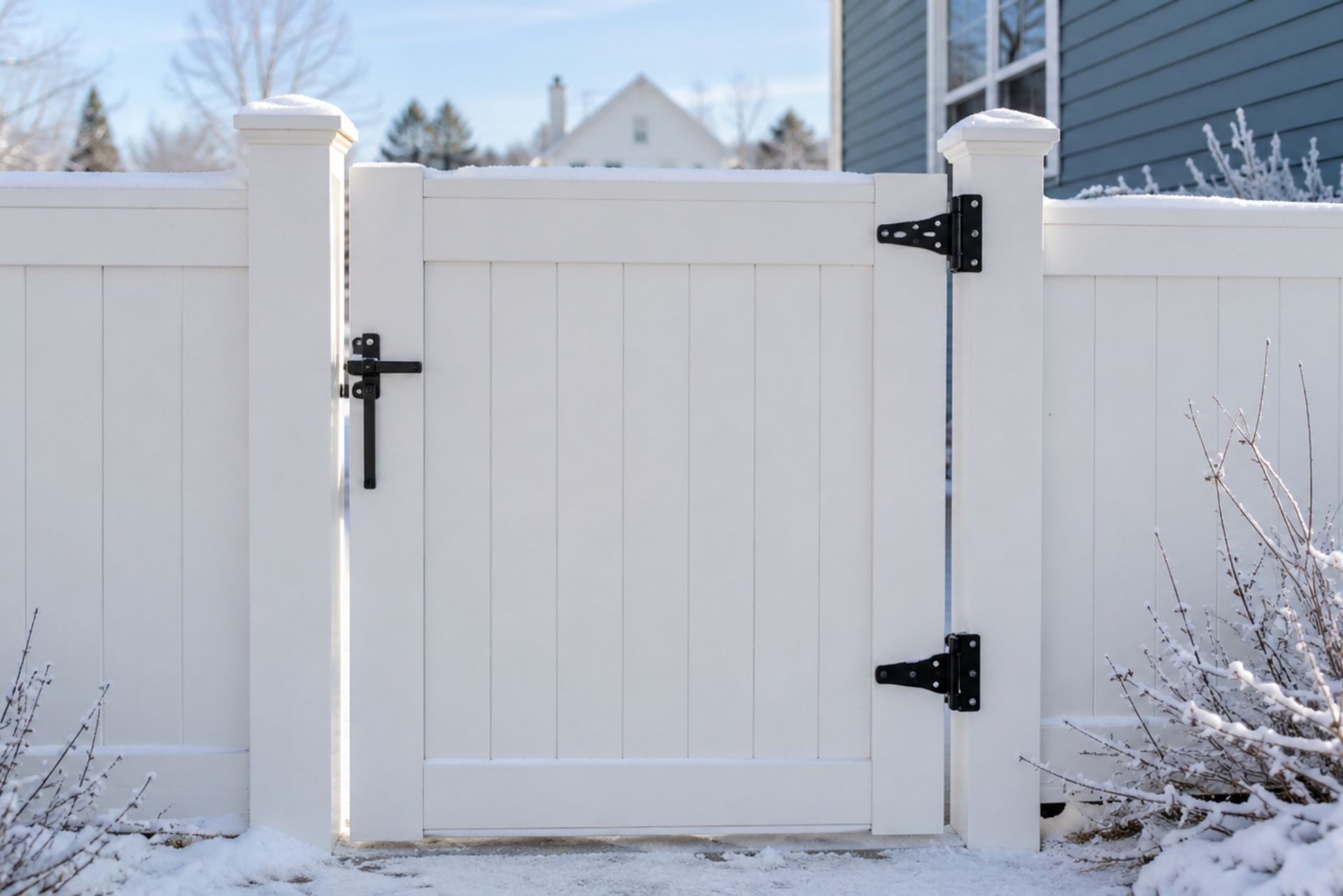
Don't forget the gates. Gates are the most active part of your fence and the most prone to winter damage. Check that the hinges are still aligned and that the latch meets the striker plate perfectly. If your gate is dragging on the ground, it is likely due to the gate post shifting during a freeze. Adjusting the hinges can sometimes provide a quick fix, but a dragging gate often signals a need for a more permanent post-realignment.
Addressing Material Stress
Each material handles the Central PA winter differently. If you have a wood fence, look for new cracks, splitting, or signs of rot where the wood meets the damp, thawing ground. If you have a vinyl fence, check for impact damage. While modern vinyl is incredibly durable, it can become more brittle in sub-zero temperatures. If a snowblower threw a large chunk of ice or a heavy branch fell against it, you might find small cracks or punctures that need to be addressed to maintain the clean look of the fence.
For aluminum fences, look for any bowing in the pickets or rails. This usually happens if snow was piled high against the fence for an extended period. Aluminum has excellent memory and can often be gently straightened, but severe bends might require replacing a single panel to restore the professional look of your property.
Professional Restoration vs. DIY Patching
While a homeowner can easily tighten a loose screw or wash off winter salt and grime, structural repairs like resetting posts or replacing entire sections require professional expertise. A patched-up fence often looks like a patch job, which can negatively impact your curb appeal and home value.