Built for the Blizzard: Why Aluminum and Vinyl Are the Only Choices for Heavy Snow Zones
Choosing fence materials that withstand heavy snow and ice in Central PA
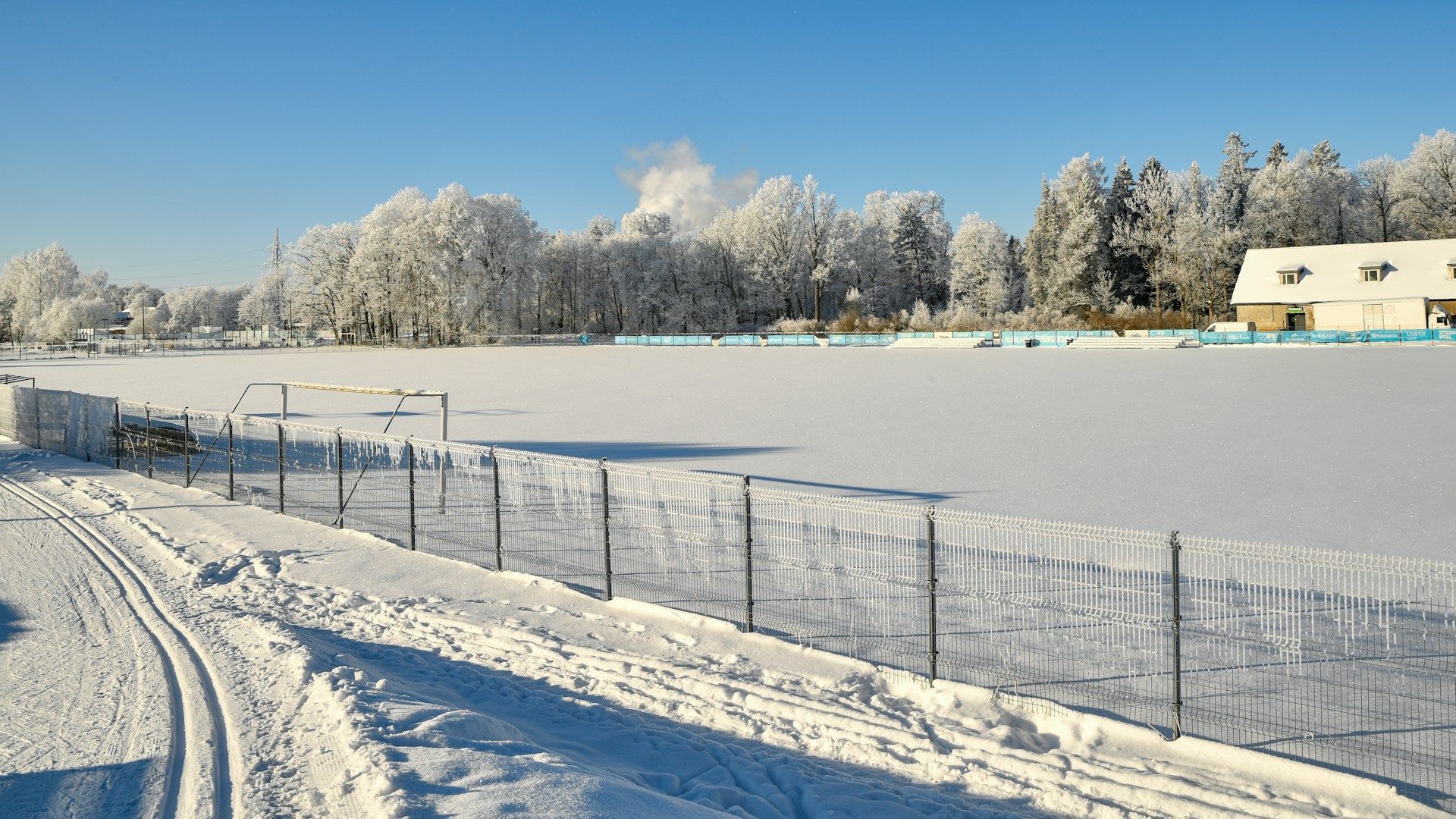
When you live in an area prone to significant snowfall, like State College or the higher elevations near Port Matilda, your choice of fencing material is a matter of engineering as much as aesthetics. A fence is a large vertical surface that acts as a sail in the wind and a dam for drifting snow. Choosing the wrong material can lead to a fence that sags, warps, or snaps under the weight of a single Central Pennsylvania winter.
At Rolling Acres Fencing, we consistently recommend two specific materials for homes in heavy snow zones: aluminum and vinyl. These materials are engineered to handle the specific physical stresses of ice and snow in ways that traditional wood simply cannot.
The Problem with Snow Load and Moisture
The primary enemy of a fence in winter is the sheer weight of snow. Wet, heavy snow can weigh as much as twenty pounds per cubic foot. When a plow pushes a bank of snow against your fence, or when drifts pile up four feet high, the lateral pressure is immense.
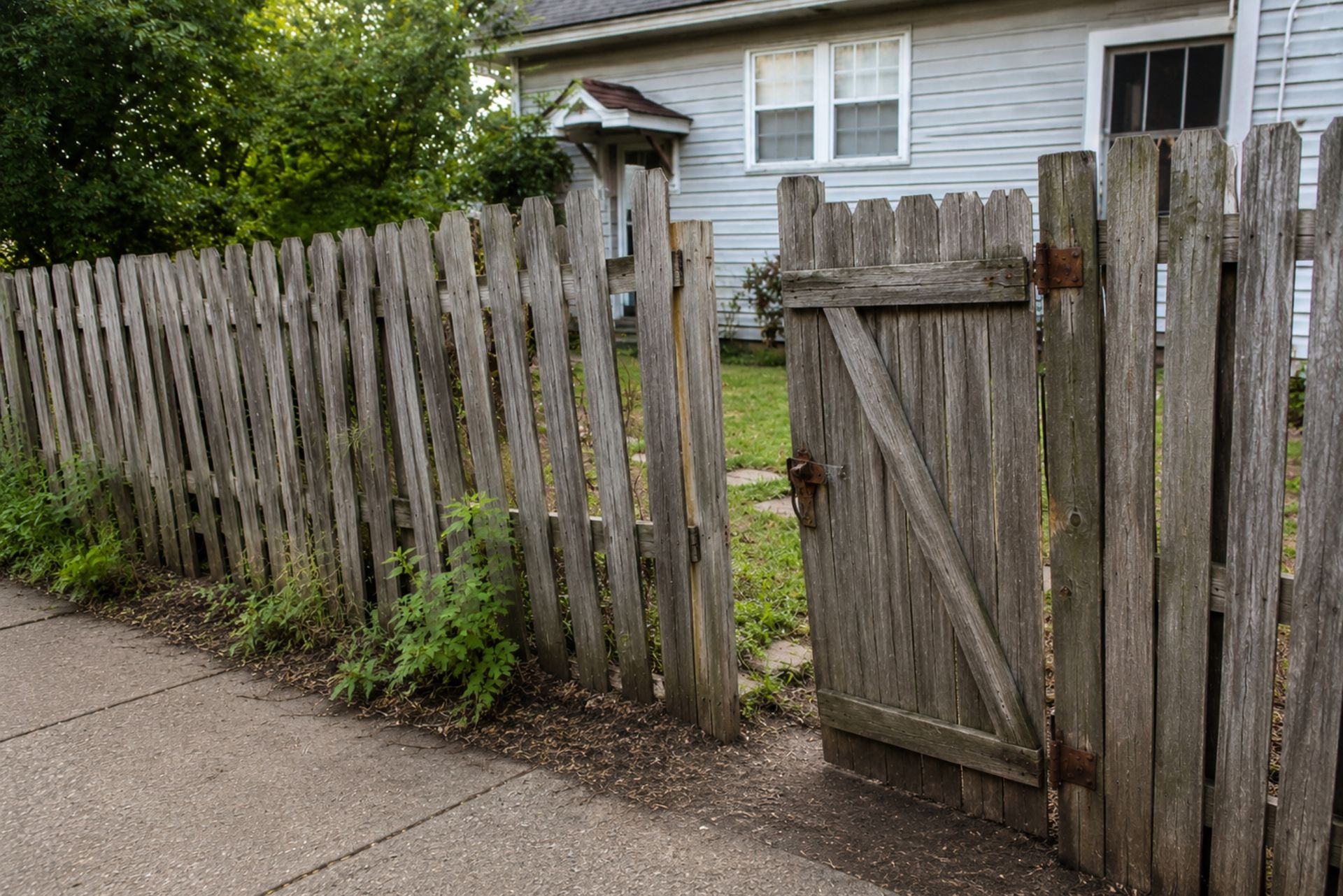
Wood fences are particularly vulnerable because they are porous. As snow melts and refreezes, moisture seeps into the wood fibers, expands, and causes the wood to rot or crack over time. Furthermore, wood posts can absorb ground moisture during the spring thaw, leading to premature failure at the base. Aluminum and vinyl, being non-porous, are completely immune to these moisture-related issues.
The Aluminum Advantage: Drainage and Aerodynamics
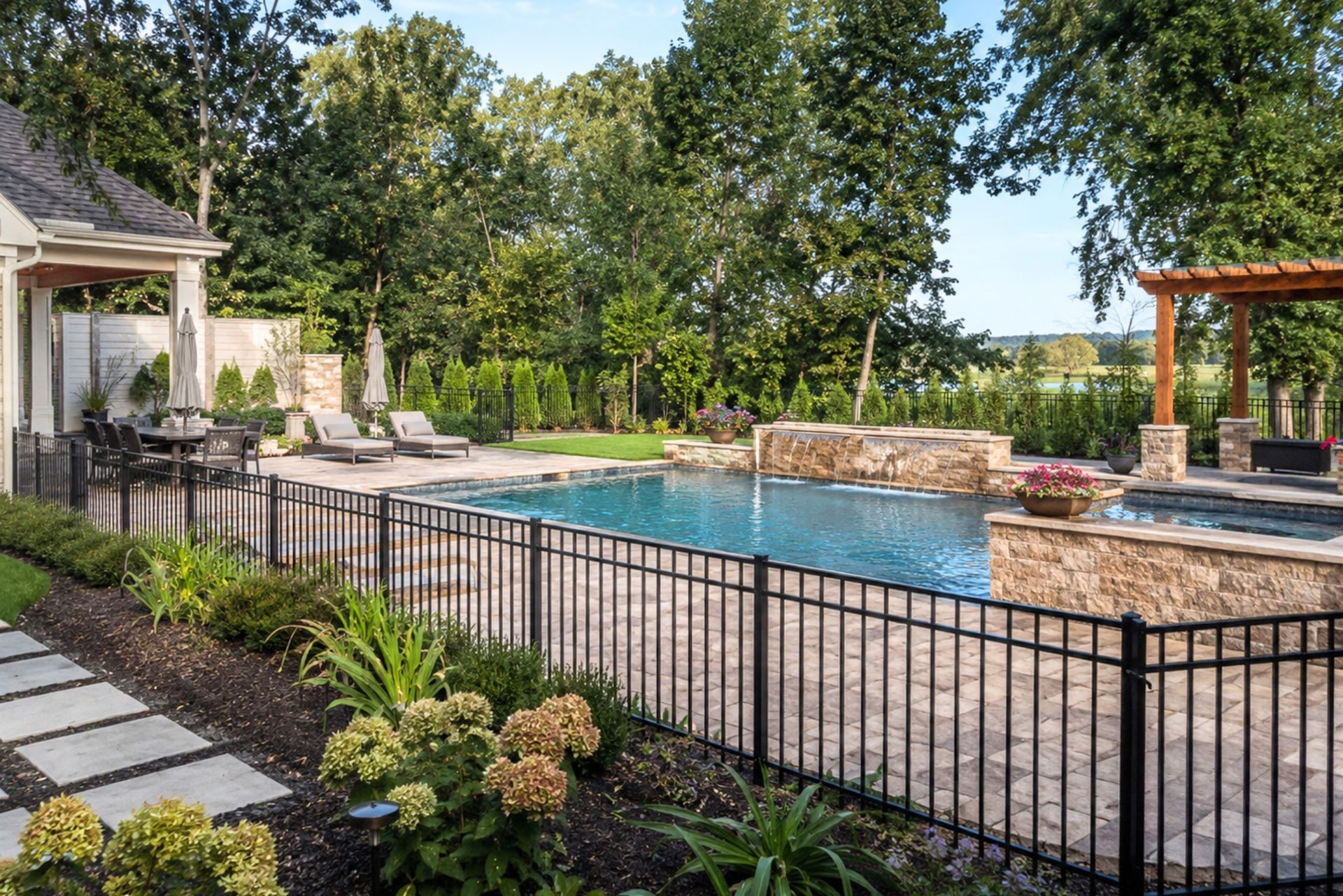
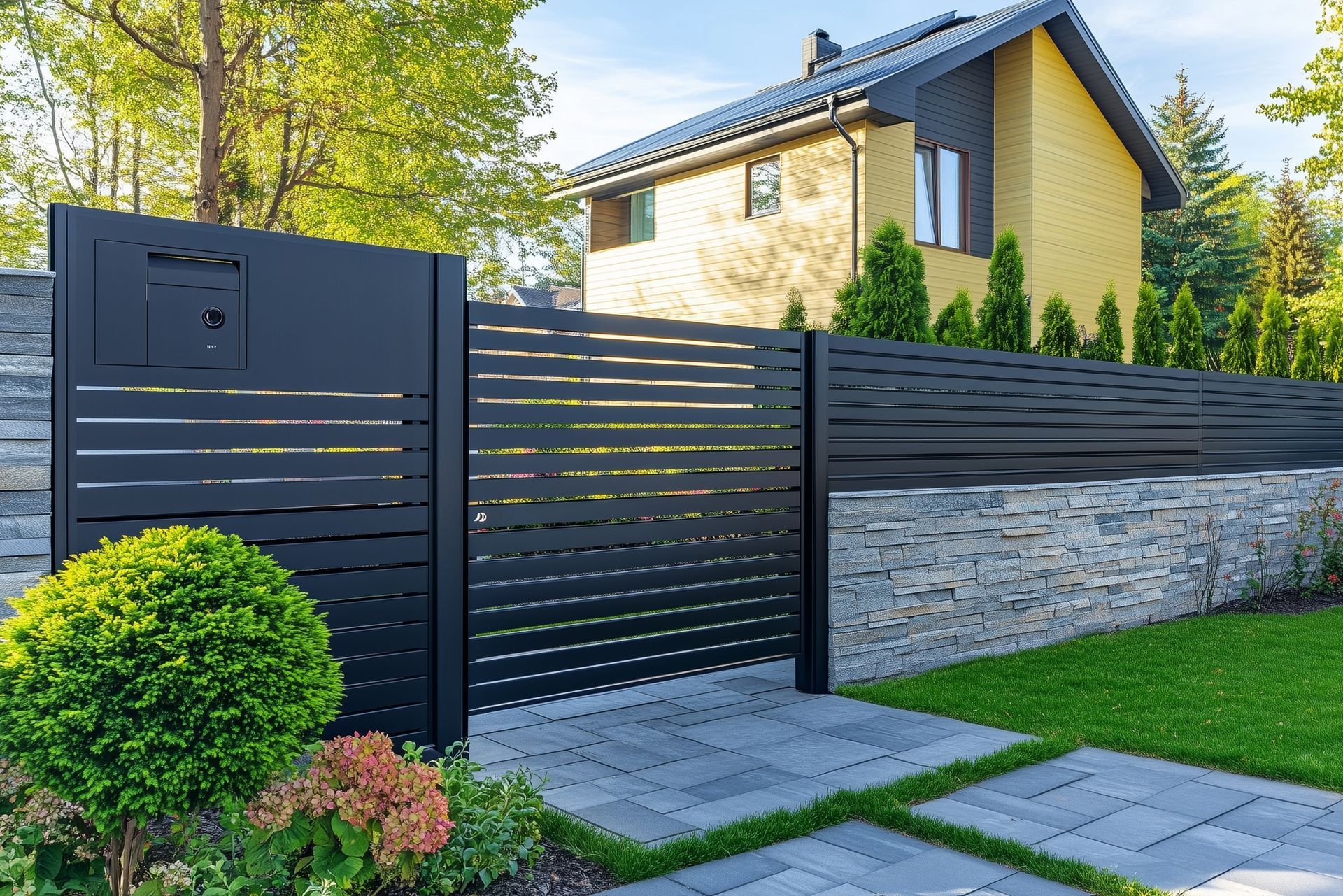
Aluminum fencing is a top-tier choice for heavy snow zones for a few key reasons. First, the open-picket design allows wind and fine snow to pass through the fence rather than pushing against it like a solid wall. This significantly reduces the wind load on your posts during winter gales.
Second, aluminum does not retain ice. Its smooth, powder-coated surface allows ice to slide off easily, preventing the heavy buildup that can bend less durable materials. Because aluminum is rust-proof, the road salt and de-icing chemicals used on Central PA roads won't corrode the base of your fence. For homeowners in Bellefonte or Harrisburg whose fences are near salted sidewalks or roads, this resistance is a massive long-term benefit.
Vinyl: The Durable Privacy Solution
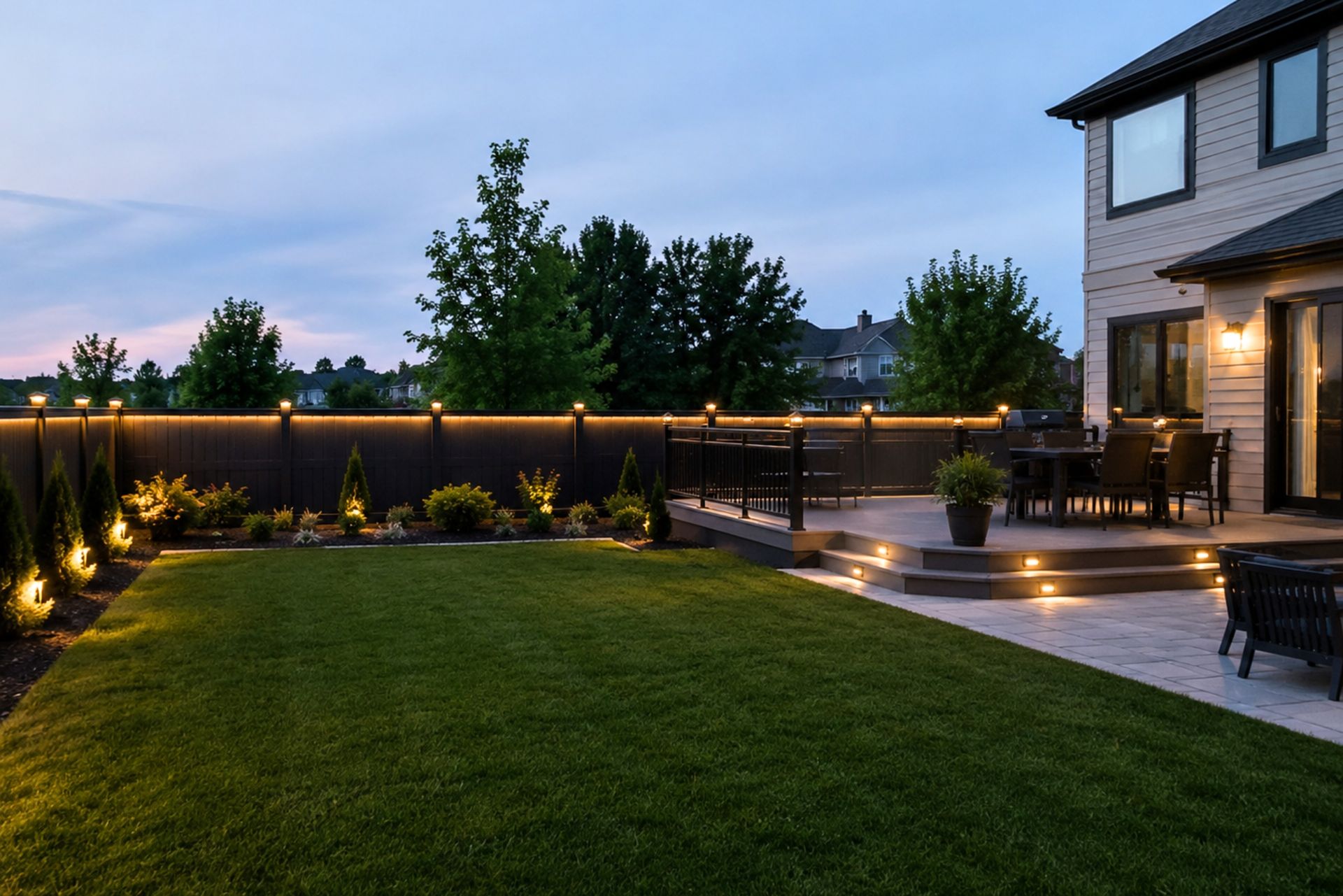
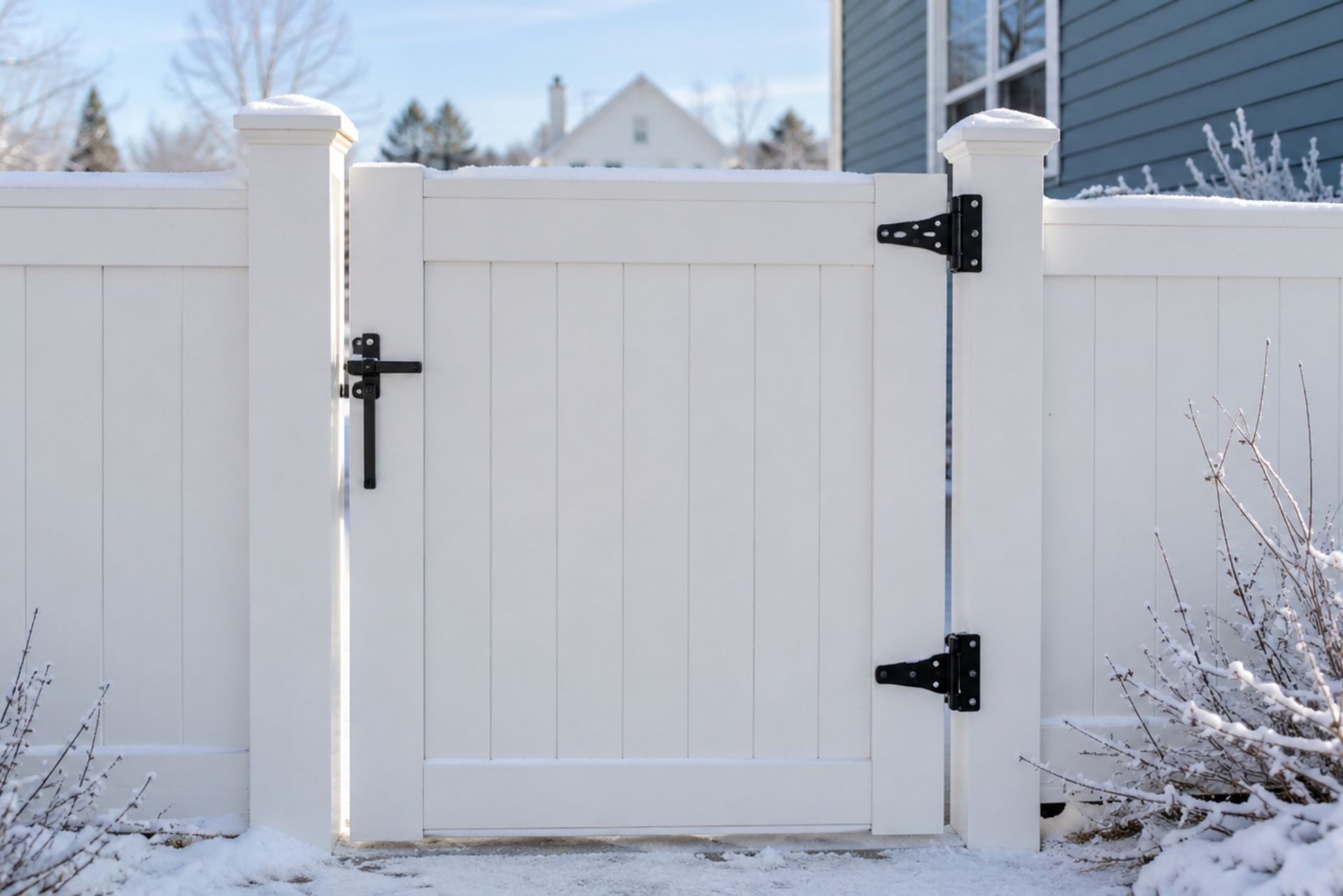
If you require a privacy fence but live in a high-snow area, vinyl is the gold standard. Unlike wood privacy panels that can become waterlogged and heavy, vinyl remains lightweight and shed moisture effortlessly.
Modern vinyl fencing is manufactured with chemical stabilizers that keep the material flexible even in extreme cold. This flexibility is vital; when snow piles up, a vinyl fence can give slightly under the pressure without snapping, returning to its original shape once the snow is cleared. Furthermore, the interlocking tongue-and-groove pickets used in our vinyl installations at Rolling Acres Fencing provide a reinforced wall that is much stronger than individual wood boards.
Low Maintenance for Long Winters
Perhaps the greatest benefit of aluminum and vinyl in a blizzard-prone region is the lack of maintenance required when spring arrives. A wood fence in State College or Centre Hall might require power washing, sanding, and restaining every few years to combat the graying and weathering caused by snow. Aluminum and vinyl require nothing more than a quick rinse with a garden hose to look brand new again.
When you invest in a residential fence from Rolling Acres Fencing, you are choosing materials that are built to survive the local climate. By selecting aluminum or vinyl, you ensure that your fence remains a beautiful, standing asset to your property, even after the toughest Central Pennsylvania winter.