The Topography Challenge: Engineered Solutions for Fencing State College’s Slopes and Ridges
Expert solutions for installing fences on Central Pennsylvania’s rolling hills
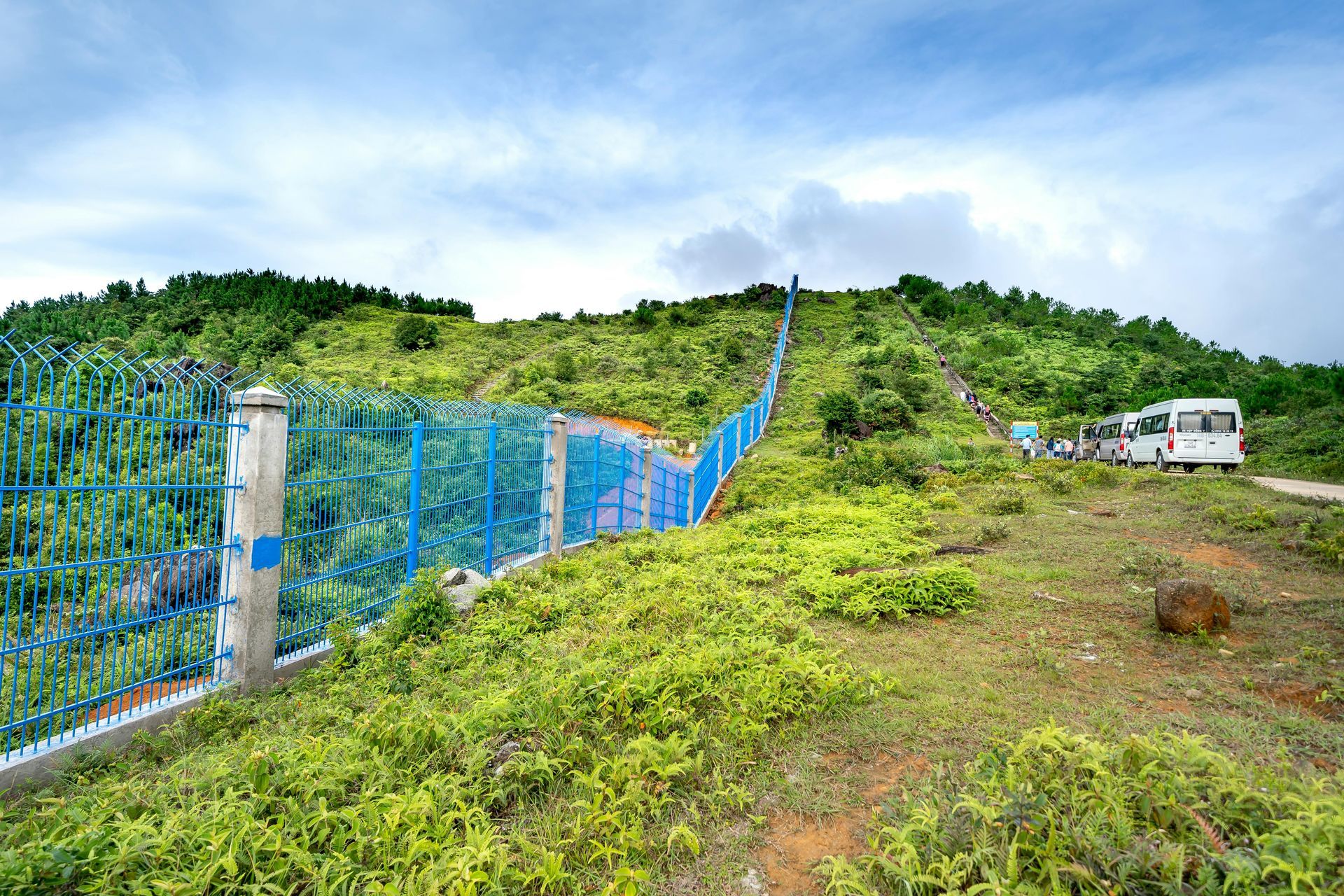
Central Pennsylvania is defined by its beautiful, rolling landscape, but for homeowners, those scenic ridges and valleys pose a significant hurdle for property improvements. If you live in State College, Boalsburg, or the surrounding hills, you know that a perfectly flat yard is a rarity. When it comes time to install a residential fence, the uneven terrain isn't just an aesthetic issue—it is an engineering challenge that requires professional expertise to solve correctly.
At Rolling Acres Fencing, we specialize in adapting premium fencing systems to the Centre Region's unique topography. A poorly installed fence on a slope will lead to unsightly gaps, leaning posts, and structural failure within just a few seasons. Our approach ensures that your fence follows the natural contour of your land while remaining structurally sound and visually flawless.
Raked vs. Stepped Fence: Which is Best for Sloped Yards?
When dealing with an incline, there are two primary professional methods for installation: racking and stepping. The choice between them depends on the slope's severity and your specific privacy and security goals.
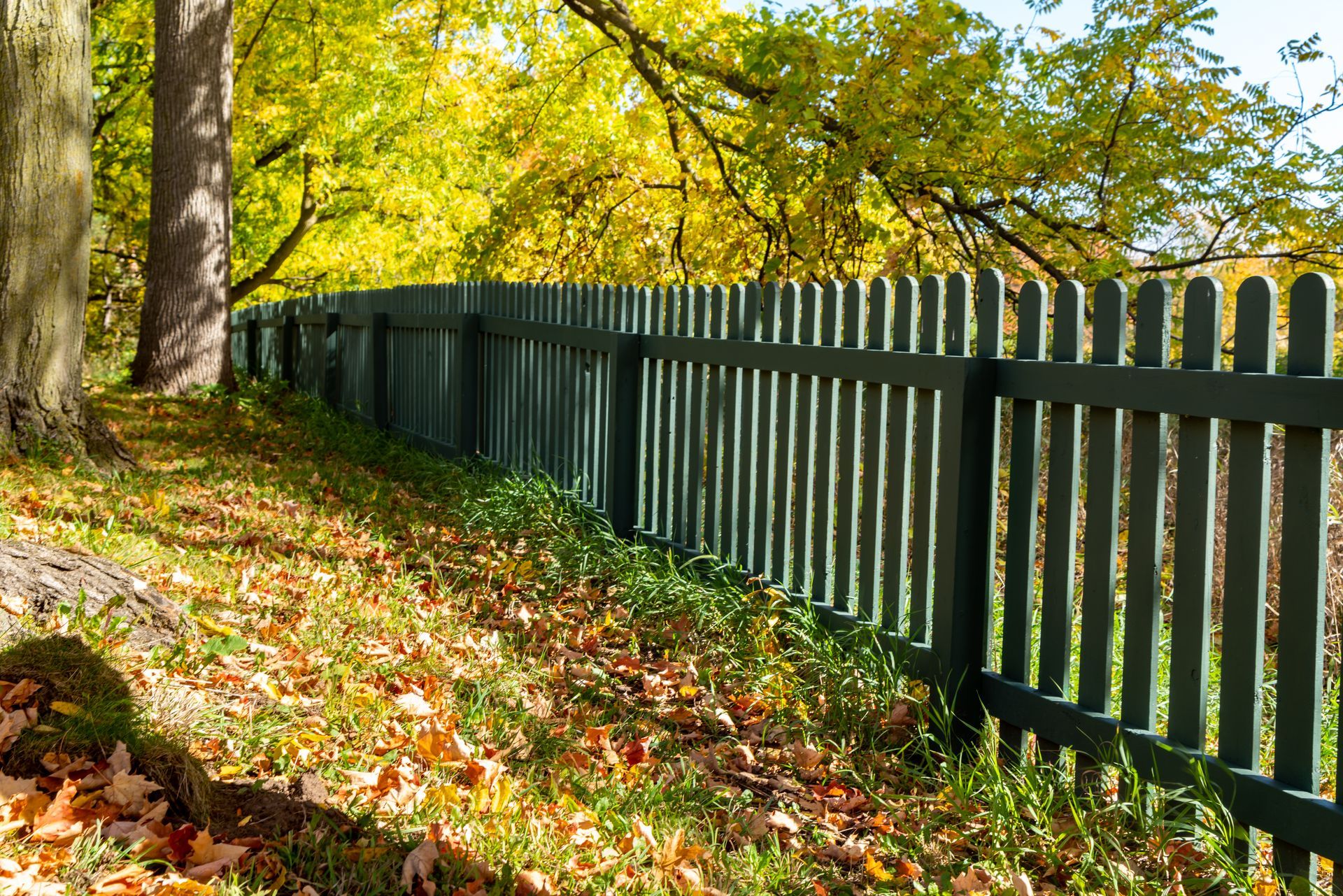
Raking (or Racking): This method allows the fence panels to follow the grade of the ground in a smooth, continuous line. The horizontal rails of the fence are angled to match the slope, while the pickets remain perfectly vertical. This creates a seamless look without gaps at the bottom, making it the superior choice for pet containment and child safety. Aluminum and certain vinyl systems are specifically designed to be rackable, allowing them to adjust to moderate slopes without losing structural integrity.
Stepping: For very steep hills, a stepped installation is often the better solution. In this method, each fence panel is installed perfectly level, and the fence "steps down" at each post, creating a staircase effect. This is often the preferred look for architectural impact on dramatic inclines. However, stepping creates triangular gaps beneath each panel, which may require custom kickboards or landscaping to ensure the perimeter remains secure for small animals.
How to Install a Fence on a Hill Without Gaps for Pets
One of the most frequent concerns for homeowners in Bellefonte and Port Matilda is keeping pets from escaping through the gaps created by uneven ground. On a sloped lot, a standard "off-the-shelf" fence kit will almost always leave dangerous openings.
To achieve a gap-free finish, we utilize high-quality rackable panels that can pivot to hug the terrain. For more aggressive slopes where stepping is required, we can install custom-fitted rot boards or bottom rails that are scribed to match the soil's exact rise and fall. This ensures that even on the hilliest properties, your residential fence remains a solid barrier from top to bottom.
Engineering Post Stability on Uneven Terrain and Slopes
The physics of a fence changes when it is built on a slope. Gravity and soil erosion put uneven pressure on the posts, which can lead to leaning or "creeping" over time if the foundation isn't engineered correctly.
In the rocky or clay-heavy soils of Central Pennsylvania, we ensure that every post is set to a depth that accounts for the incline. Downhill posts often require deeper footings and more significant concrete reinforcement to resist the lateral pressure of the fence panels. We also analyze the drainage patterns of your yard; a fence should never act as a dam for rainwater. We install our systems to allow for natural water runoff, preventing the soil saturation that often leads to post-failure on sloped lots.
Why Professional Fence Racking Requires Technical Precision
While some DIY guides suggest that racking a fence is as simple as "tilting the panel," the reality is much more complex. Over-racking a panel can put immense stress on the pickets and rails, leading to snapped brackets or warped materials. There is a mathematical limit to how much a standard aluminum or vinyl panel can be racked before it loses its structural strength.
Our team at Rolling Acres Fencing calculates the exact slope angle before we begin. If the incline exceeds the racking capacity of a standard panel, we use double-punched or custom-fabricated sections engineered for high-angle slopes. This level of technical planning is what separates a premium installation from a temporary fix.
Navigating State College Fence Codes on Sloped Properties
Local zoning and building codes in the State College Borough and surrounding townships have specific rules regarding fence height, which can become complicated on a slope. Height is typically measured from the natural grade, meaning a stepped fence might accidentally exceed height limits at the high point of a section if not planned with precision.
We handle the permitting and compliance process for you, ensuring that your fence is not only beautiful and strong but also fully legal. By choosing an experienced contractor who understands the local topography and regulations, you protect yourself from the risk of being forced to remove or modify a non-compliant fence.
If your property features the ridges and valleys that make Central Pennsylvania so beautiful, don't settle for a fence that fights the land. Let Rolling Acres Fencing provide an engineered solution that works with your topography to create a secure, stunning, and permanent boundary.